Hook: When Apple Seems Like a Street Stall
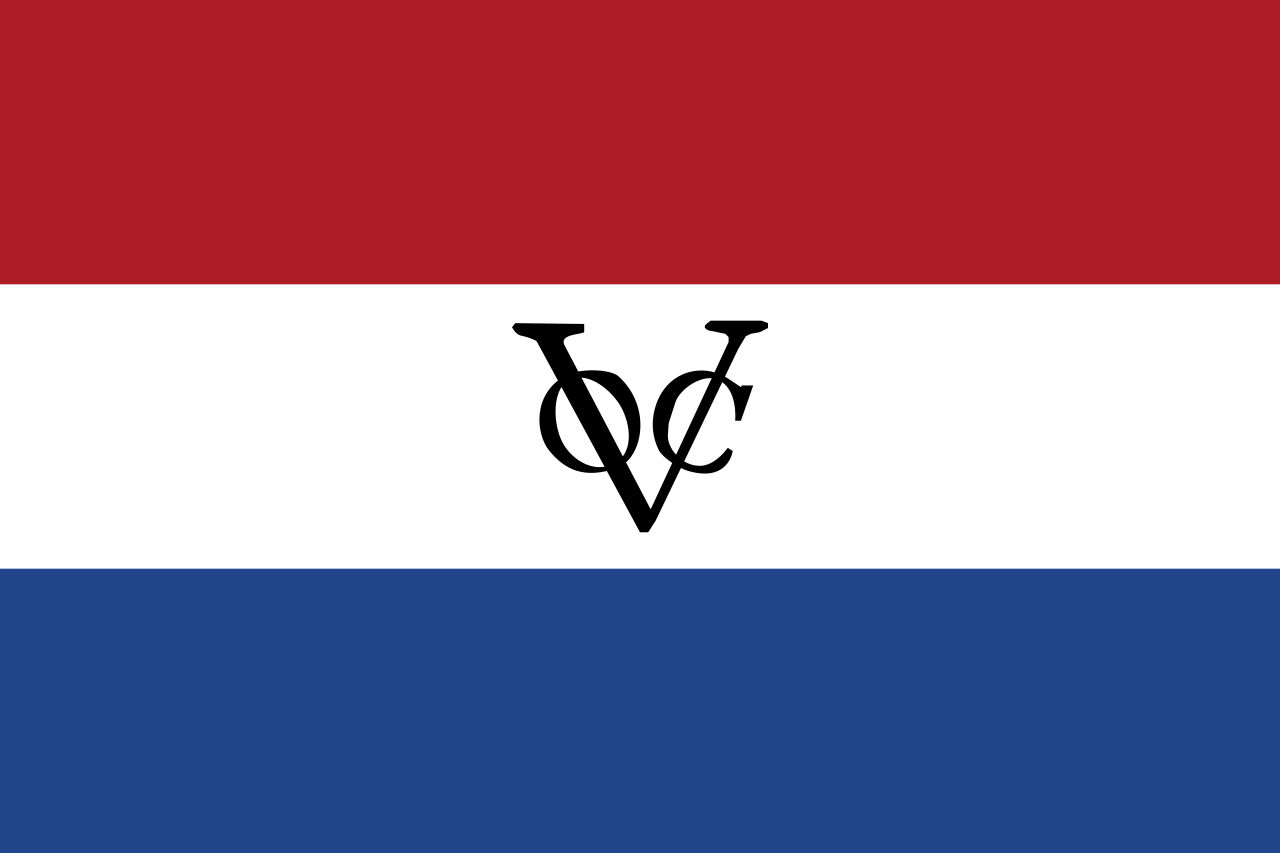
Imagine a company whose market value reached US$7.9 trillion—78 times the value of Apple in 2023, which is around US$100 billion. That was the Dutch East India Company (VOC) at its peak in 1637. But don't be fooled by these wild numbers. This company, considered the 'first multinational,' was actually a war machine, colonizer, and financial fraudster that eventually went bankrupt in 1800. The irony? It was born from black pepper, not an iPhone.
From Spices to Tyranny: The Origins of VOC
On March 20, 1602, the Dutch government merged several small trading companies into one giant entity: the VOC. They were given a 21-year monopoly to trade in Asia. Sounds like a smart investment? But look at the power granted: they could declare war, imprison, execute, negotiate treaties, print their own money, and establish colonies. This was not a company; it was a mini-state legally recognized.
The VOC became the first joint-stock company in the world, selling shares to ordinary people. The Amsterdam stock market was born from this. But what did they sell? Not innovative ideas or technology, but promises of profits from stolen spices and forced labor.
78 Times Bigger Than Apple: Myth or Reality?
The value of the VOC was calculated based on profits and assets at the time. In 1637, the annual profit of the VOC reached 1.4 million guilders—an amount equivalent to US$7.9 trillion today when adjusted for inflation and GDP. Compare that with Apple, which makes about US$100 billion a year. But don't forget: the VOC's profits came from brutality. They controlled spice trade in Indonesia, monopolized pepper, cinnamon, and nutmeg. They killed locals who refused to sell—like in the Banda Islands in 1621, where thousands were killed to control nutmeg plantations.
Fake Dividends and Empire-Level Corruption
The VOC was known for high dividends—sometimes as much as 40% per year. But how? They paid dividends with newly printed money, not real profits. This was an early Ponzi scheme. In the 18th century, as competition from the British East India Company increased, the VOC started borrowing more money. Corruption flourished: VOC officials in Batavia (Jakarta) became rich by selling licenses to private traders, while the company suffered losses.
By 1780, the VOC's debt reached 100 million guilders—about US$1 trillion today. Dividends continued to be paid with borrowed money. When the Fourth Anglo-Dutch War (1780-1784) hit, the VOC lost ships and trade routes. Finally, on December 31, 1799, the VOC was officially dissolved. Its assets were taken over by the Dutch government, but its debts—yes, the debts—remained a burden.
Colonialism as a Business Model
The VOC was not just a company; it was a tool of colonization. With quasi-governmental power, it dominated Indonesia, Sri Lanka, and parts of South Africa. They built forts, forced farmers to grow spices, and exploited slave labor. Under the later 'cultuurstelsel' (forced cultivation system), Indonesian people were forced to grow coffee, sugar, and indigo for export. This was a business model of 'maximum profit, minimum cost'—the cost was paid with human lives.
Final Irony: A Shameful Legacy
Today, the VOC is remembered as a symbol of Dutch glory. But in Indonesia, it is a symbol of oppression. Its insane market value was the result of war, enslavement, and fraud. When Apple or Amazon are accused of exploitation, remember the VOC: they not only exploited, but also colonized legally. The bankruptcy of the VOC was not due to a free market, but due to uncontrolled greed.
So, when you hear stories about the 'most valuable company in history,' don't forget that its success was built on human bones. And those 40% dividends? They were paid with non-existent money—just like many crypto companies today. History does repeat itself, doesn't it?
---
Reference: Dutch East India Company — Wikipedia
VOC: The Company 78 Times Bigger Than Apple, But Bankrupt Due to Scandal. The Dutch East India Company (VOC) was not only the oldest company but also the most valuable in history—78 times the value of Apple today. However, behind its glory lay absurdities: it went bankrupt due to corruption, war, and fake dividends. This article reveals the irony of a 'multinational' that used state power to colonize, yet ultimately fell due to its own greed.. Hook: When Apple Seems Like a Street Stall
Imagine a company whose market value reached US$7.9 trillion—78 times the value of Apple in 2023, which is around US$100 billion. That was the Dutch East India Company VOC at its peak in 1637. But don't be fooled by these wild numbers. This company, considered the 'first multinational,' was actually a war machine, colonizer, and financial fraudster that eventually went bankrupt in 1800. The irony? It was born from black pepper, not an iPhone.
From Spices to Tyranny: The Origins of VOC
On March 20, 1602, the Dutch government merged several small trading companies into one giant entity: the VOC. They were given a 21-year monopoly to trade in Asia. Sounds like a smart investment? But look at the power granted: they could declare war, imprison, execute, negotiate treaties, print their own money, and establish colonies. This was not a company; it was a mini-state legally recognized.
The VOC became the first joint-stock company in the world, selling shares to ordinary people. The Amsterdam stock market was born from this. But what did they sell? Not innovative ideas or technology, but promises of profits from stolen spices and forced labor.
78 Times Bigger Than Apple: Myth or Reality?
The value of the VOC was calculated based on profits and assets at the time. In 1637, the annual profit of the VOC reached 1.4 million guilders—an amount equivalent to US$7.9 trillion today when adjusted for inflation and GDP. Compare that with Apple, which makes about US$100 billion a year. But don't forget: the VOC's profits came from brutality. They controlled spice trade in Indonesia, monopolized pepper, cinnamon, and nutmeg. They killed locals who refused to sell—like in the Banda Islands in 1621, where thousands were killed to control nutmeg plantations.
Fake Dividends and Empire-Level Corruption
The VOC was known for high dividends—sometimes as much as 40% per year. But how? They paid dividends with newly printed money, not real profits. This was an early Ponzi scheme. In the 18th century, as competition from the British East India Company increased, the VOC started borrowing more money. Corruption flourished: VOC officials in Batavia Jakarta became rich by selling licenses to private traders, while the company suffered losses.
By 1780, the VOC's debt reached 100 million guilders—about US$1 trillion today. Dividends continued to be paid with borrowed money. When the Fourth Anglo-Dutch War 1780-1784 hit, the VOC lost ships and trade routes. Finally, on December 31, 1799, the VOC was officially dissolved. Its assets were taken over by the Dutch government, but its debts—yes, the debts—remained a burden.
Colonialism as a Business Model
The VOC was not just a company; it was a tool of colonization. With quasi-governmental power, it dominated Indonesia, Sri Lanka, and parts of South Africa. They built forts, forced farmers to grow spices, and exploited slave labor. Under the later 'cultuurstelsel' forced cultivation system , Indonesian people were forced to grow coffee, sugar, and indigo for export. This was a business model of 'maximum profit, minimum cost'—the cost was paid with human lives.
Final Irony: A Shameful Legacy
Today, the VOC is remembered as a symbol of Dutch glory. But in Indonesia, it is a symbol of oppression. Its insane market value was the result of war, enslavement, and fraud. When Apple or Amazon are accused of exploitation, remember the VOC: they not only exploited, but also colonized legally. The bankruptcy of the VOC was not due to a free market, but due to uncontrolled greed.
So, when you hear stories about the 'most valuable company in history,' don't forget that its success was built on human bones. And those 40% dividends? They were paid with non-existent money—just like many crypto companies today. History does repeat itself, doesn't it?
---
Reference: Dutch East India Company — Wikipedia https://en.wikipedia.org/wiki/Dutch East India Company