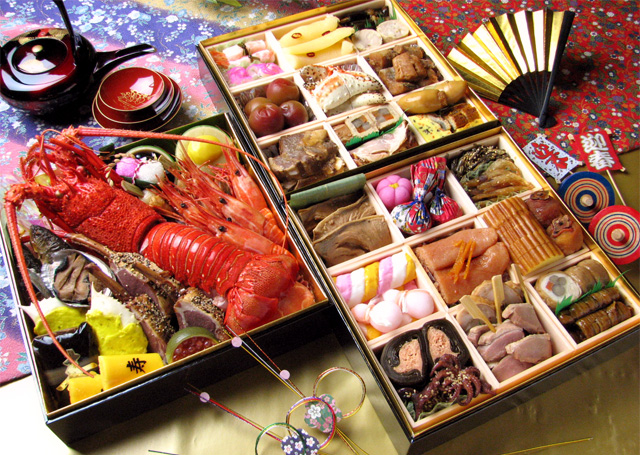
Philosophical Roots of Washoku: More Than Just Food
Washoku—a Japanese word that literally means 'Japanese cuisine'—is not merely a collection of recipes or a cooking style. It is a holistic cultural expression that unites aesthetic, ethical, and ecological principles. In 2013, UNESCO officially inscribed washoku on the Representative List of the Intangible Cultural Heritage of Humanity, not because of the popularity of sushi, but because of the value system behind it: appreciation of local biodiversity, harmony with the seasonal cycle (shun), and social practices such as mindful family meals. Its main principle is often summarized in the concept of
ichiju-sansai (one soup, three sides), a balanced meal structure emphasizing variety in texture, color, taste, and nutrients—rather than the dominance of a single main ingredient. This differs significantly from many other Asian culinary traditions that emphasize rice or bread as the center, whereas washoku treats rice as a 'foundation' for dynamic flavor interactions.
The Season as Teacher: The Concept of Shun and Local Ingredient Wisdom
In Japan, the word
shun does not merely refer to the season, but to the 'peak point of freshness and flavor' of an ingredient. Pacific mackerel (sanma) is prized in September for its richest fat; maple leaves (momiji) are eaten as tempura in early autumn; and daikon radish is considered sweetest after the first frost of winter. This system is not just tradition—it is driven by geographic reality: the Japanese archipelago has a distinct monsoon climate, fertile volcanic soil, and diverse coastlines yielding over 400 commercial fish varieties. Data from Japan's Ministry of Agriculture, Forestry and Fisheries (MAFF) shows that over 78% of washoku restaurants in Kyoto still strictly follow the
shun calendar in their daily menus. This uniqueness also explains why miso—fermented soybean paste—has many regional variants: red miso from Aichi (long-aged, strong flavor) for winter, and white miso from Kyoto (light, sweet) for summer.
Cooking Techniques as a Form of Respect: From Simmering to Sashimi
Washoku techniques rarely aim to 'transform' ingredients, but to 'reveal' their essence. For example,
nimono (slow-simmered dishes) is not just cooking—it is a process of flavor extraction through gradual evaporation, where dashi broth (made from kombu and katsuobushi) serves as a unifying 'flavor language'. Unlike the spiced broths of many Southeast Asian cuisines, dashi is neutral umami, allowing the original taste of fish or vegetables to shine. Similarly,
sashimi: fish cutting is not done randomly, but according to fiber direction (
hira-zukuri,
usu-zukuri,
sogi-zukuri) to optimize texture and sauce absorption. A study by the University of Tokyo (2021) found that traditional cutting techniques improved the perception of 'tongue smoothness' by up to 37% compared to ordinary cuts—scientific evidence of how artisanal techniques affect sensory experience.
Evolution Without Losing Identity: From Edo to the Global Era
Washoku is not static. In the Edo period (1603–1868), the emergence of
yatai (street stalls) gave birth to rolled sushi (
nigiri) as fast food—but still adhering to the principles of
shun and
ichiju-sansai. In the 20th century, post-World War II, the introduction of wheat flour brought
korokke (croquettes) and
hayashi rice, yet these adaptations still used dashi as the base broth—showing flexibility without losing flavor identity. Today, global washoku does not mean 'Westernized Japan', but principled transformation: a restaurant in Bandung uses local mackerel tuna as a substitute for tuna in sashimi, with a local dashi marinade based on Lombok seaweed—a concrete example of how washoku principles can be translated contextually, not imported wholesale.
Contemporary Reflection: What Can We Learn from Washoku?
In a world increasingly pressured by climate crisis and biodiversity loss, washoku offers an alternative food resilience model: not based on scale, but on depth of connection to place. It invites us to ask—do we still know when local mangoes are sweetest? Does our family soup still carry a 'flavor language' that unites all ingredients? And do our daily cooking techniques respect, or merely accelerate, natural processes? Washoku is not about being 'Japanese', but about restoring culinary awareness: that every bite is a dialogue between land, season, human hands, and time. As an ancient Japanese saying goes: *'Mizu no kokoro'—a heart like water—clear, reflective, and ready to receive the true taste of the world.
---
Reference: Japanese cuisine — Wikipedia
Washoku: The Japanese Art of Taste That Respects Seasons, Earth, and Time. Washoku, or traditional Japanese cuisine, is not just an arrangement of dishes—it is a culinary value system recognized by UNESCO as an Intangible Cultural Heritage of Humanity in 2013. Rooted in the balance between local ingredients, the natural rhythm of seasons, and cooking techniques that respect the essence of ingredients, washoku reflects the philosophy of 'ichigo ichie' (each moment is unique) in the form of taste. This article explores its basic structure, historical evolution, and relevance in the context of sustainability and contemporary lifestyle.. Philosophical Roots of Washoku: More Than Just Food
Washoku—a Japanese word that literally means 'Japanese cuisine'—is not merely a collection of recipes or a cooking style. It is a holistic cultural expression that unites aesthetic, ethical, and ecological principles. In 2013, UNESCO officially inscribed washoku on the Representative List of the Intangible Cultural Heritage of Humanity, not because of the popularity of sushi, but because of the value system behind it: appreciation of local biodiversity, harmony with the seasonal cycle shun , and social practices such as mindful family meals. Its main principle is often summarized in the concept of ichiju-sansai one soup, three sides , a balanced meal structure emphasizing variety in texture, color, taste, and nutrients—rather than the dominance of a single main ingredient. This differs significantly from many other Asian culinary traditions that emphasize rice or bread as the center, whereas washoku treats rice as a 'foundation' for dynamic flavor interactions.
The Season as Teacher: The Concept of Shun and Local Ingredient Wisdom
In Japan, the word shun does not merely refer to the season, but to the 'peak point of freshness and flavor' of an ingredient. Pacific mackerel sanma is prized in September for its richest fat; maple leaves momiji are eaten as tempura in early autumn; and daikon radish is considered sweetest after the first frost of winter. This system is not just tradition—it is driven by geographic reality: the Japanese archipelago has a distinct monsoon climate, fertile volcanic soil, and diverse coastlines yielding over 400 commercial fish varieties. Data from Japan's Ministry of Agriculture, Forestry and Fisheries MAFF shows that over 78% of washoku restaurants in Kyoto still strictly follow the shun calendar in their daily menus. This uniqueness also explains why miso—fermented soybean paste—has many regional variants: red miso from Aichi long-aged, strong flavor for winter, and white miso from Kyoto light, sweet for summer.
Cooking Techniques as a Form of Respect: From Simmering to Sashimi
Washoku techniques rarely aim to 'transform' ingredients, but to 'reveal' their essence. For example, nimono slow-simmered dishes is not just cooking—it is a process of flavor extraction through gradual evaporation, where dashi broth made from kombu and katsuobushi serves as a unifying 'flavor language'. Unlike the spiced broths of many Southeast Asian cuisines, dashi is neutral umami, allowing the original taste of fish or vegetables to shine. Similarly, sashimi : fish cutting is not done randomly, but according to fiber direction hira-zukuri , usu-zukuri , sogi-zukuri to optimize texture and sauce absorption. A study by the University of Tokyo 2021 found that traditional cutting techniques improved the perception of 'tongue smoothness' by up to 37% compared to ordinary cuts—scientific evidence of how artisanal techniques affect sensory experience.
Evolution Without Losing Identity: From Edo to the Global Era
Washoku is not static. In the Edo period 1603–1868 , the emergence of yatai street stalls gave birth to rolled sushi nigiri as fast food—but still adhering to the principles of shun and ichiju-sansai . In the 20th century, post-World War II, the introduction of wheat flour brought korokke croquettes and hayashi rice , yet these adaptations still used dashi as the base broth—showing flexibility without losing flavor identity. Today, global washoku does not mean 'Westernized Japan', but principled transformation: a restaurant in Bandung uses local mackerel tuna as a substitute for tuna in sashimi, with a local dashi marinade based on Lombok seaweed—a concrete example of how washoku principles can be translated contextually, not imported wholesale.
Contemporary Reflection: What Can We Learn from Washoku?
In a world increasingly pressured by climate crisis and biodiversity loss, washoku offers an alternative food resilience model: not based on scale, but on depth of connection to place. It invites us to ask—do we still know when local mangoes are sweetest? Does our family soup still carry a 'flavor language' that unites all ingredients? And do our daily cooking techniques respect, or merely accelerate, natural processes? Washoku is not about being 'Japanese', but about restoring culinary awareness: that every bite is a dialogue between land, season, human hands, and time. As an ancient Japanese saying goes: 'Mizu no kokoro'—a heart like water—clear, reflective, and ready to receive the true taste of the world.
---
Reference: Japanese cuisine — Wikipedia https://en.wikipedia.org/wiki/Japanese cuisine