Neutral
AI
Baca 30 saat
- •Kardinal Honorius I dipilih sebagai Paus pada 27 Oktober 625
- •Pemilihan berlaku dua hari selepas kematian Paus Boniface V
- •Proses pemilihan mencerminkan dinamika politik dan internal gereja yang kompleks
Kandungan Ditaja (Sponsored)
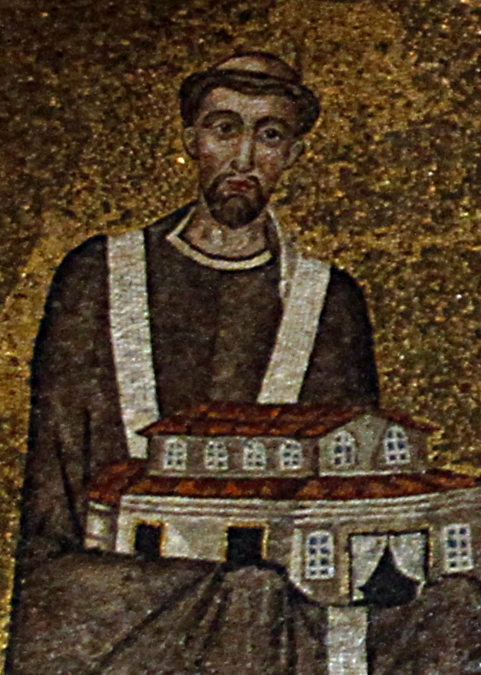
625: Election of Cardinal Honorius I as the First Pope Following the Death of Boniface V. On October 27, 625, Cardinal Honorius I was elected as the Pope of the Catholic Church following the death of Pope Boniface V two days earlier. This election marked an important moment in church history, reflecting the dynamics of power and political influence within the church at that time. Honorius I would serve until his death on October 12, 638, leaving a deep impact on theology and the church's relationship with the Roman Empire. His election reflected a complex process involving consensus among the cardinals and support from various factions within the church community. This election was also part of a broader context regarding the role of the Catholic Church in society and politics in the 7th century.. A Defining Election in Church History
On October 27, 625, an important moment in Catholic Church history occurred when Cardinal Honorius I was elected as the Supreme Pontiff. This election came only two days after the death of Pope Boniface V, who died on October 25, 625. The process of election is not documented in detail in historical records, yet historians agree that the election of Honorius I reflected complex internal dynamics within the church community at that time. The cardinals and other monks had to reach a difficult consensus to choose a new leader, while external pressures also influenced the process.
The Context of the Time and Political Pressures
The time of Honorius I's election was filled with political and social tensions. The Roman Empire was increasingly weakening, while various noble groups and regional rulers were trying to maintain their influence. In this context, the role of the Church became increasingly important as a center of stability and moral authority. Honorius I had to balance support from certain groups within the church and expectations from outside, including from the ruling authorities. This dynamic influenced his policies and decisions during his leadership.
Figures and Factors Involved
Although the names of the cardinals involved in the election of Honorius I are not entirely recorded, it is known that this process involved influential church leaders in Rome and its surroundings. These monks and cardinals represented various different theological and political factions. Some supported a more conservative approach to doctrine, while others advocated for adaptation to the changing times. All of these factors played a role in shaping the final decision to elect Honorius I, who was considered capable of bridging these various interests.
Leadership and Legacy of Honorius I
After his election, Honorius I began a leadership that would last nearly 13 years until his death on October 12, 638. During this time, he was known for his diplomatic approach in facing various challenges, including theological conflicts and pressures from the empire. His legacy includes his influence on the development of church doctrine and the relationship between the church and secular powers. Modern historians still discuss the long-term impact of his policies and decisions, especially in the context of the changes occurring in Europe in the 7th century.
Historical Reflection and Contemporary Relevance
The election of Honorius I on October 27, 625, remains relevant today as an example of how internal church democracy can be influenced by external factors. Studies of this period provide insights into the complexity of the relationship between religion and politics, and how moral authority can endure even amid political uncertainty. Historians and theologians alike still refer to these events when analyzing the evolution of the structure and policies of the Catholic Church. This election is also part of a broader narrative about the role of religion in shaping social identity and stability in medieval Europe.
Tags:
paus, Gereja Katolik, 625, sejarah, Boniface V, honorius-i, Honorius I, gereja