RM50 for 20 Cents: Crazy Profits
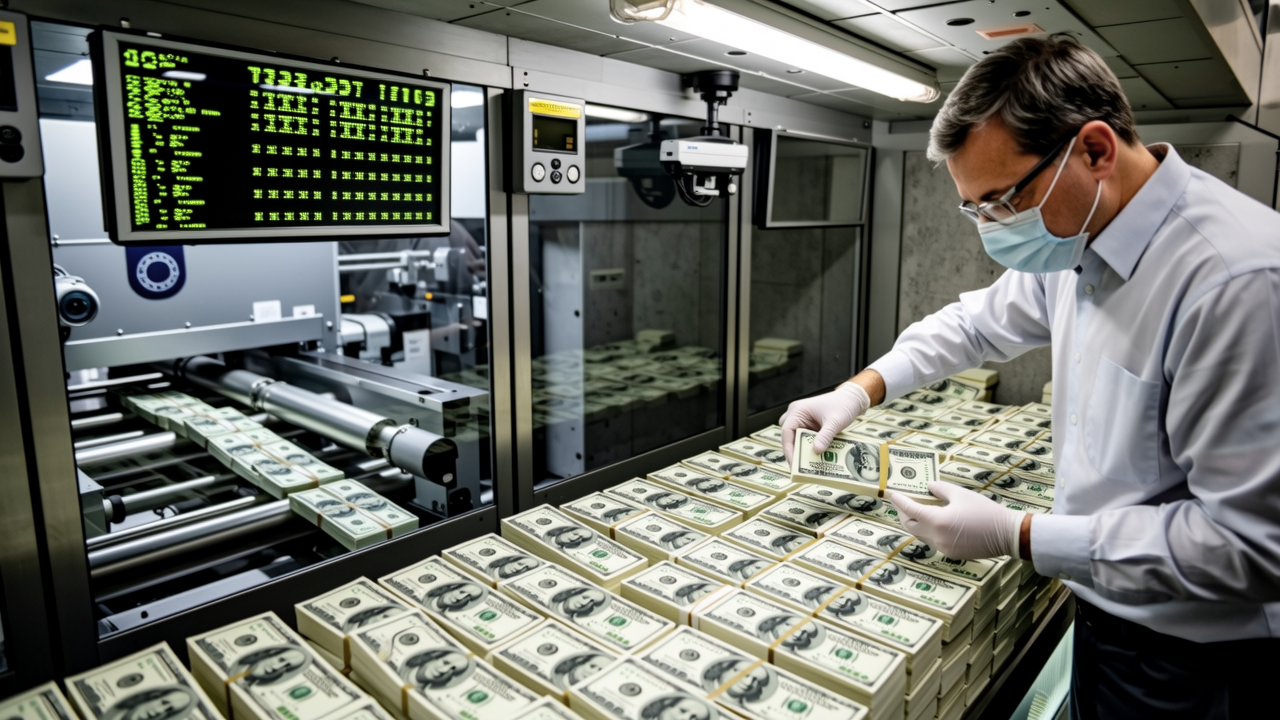
Imagine buying a pen for RM50, but the actual cost of the pen is only 20 cents. You would definitely feel cheated. However, this is what the government does every day through seigniorage — the profit from printing money. The cost of producing a RM50 note is only about 20 cents, but it is recognized as having a value of RM50 in the economy. The profit margin? Over 24,900 percent. If this were a normal business, the competition commission would intervene. But the government? It is called 'the lord's right'.
History: From Lords to Central Banks
The term seigniorage comes from Old French: *seigneuriage* — the right of the lord (seigneur) to mint coins. In the Middle Ages, kings had an absolute monopoly over coin minting. They could reduce the silver content in coins without changing their face value — a form of hidden tax. Today, this power is held by central banks like Bank Negara Malaysia. The difference is that we no longer use silver coins, but paper and digital money. However, the principle remains the same: print, circulate, profit.
Modern Seigniorage: Not Just Paper
Modern seigniorage comes in two main forms. First, physical seigniorage — the difference between face value and printing cost. Second, financial seigniorage — income from securities purchased with newly printed money. When a central bank prints RM1 billion in new money, it buys government bonds or other assets that yield interest. That money is a liability without interest; the bonds are assets with interest. The difference in interest — minus the printing cost — is seigniorage. This is why central banks like printing money: it's like a money tree that bears interest.
Inflation: The Hidden Tax of Seigniorage
If seigniorage is so profitable, why not print money endlessly? Because of inflation. Every new ringgit in circulation without equivalent economic growth erodes the value of existing ringgits. This is the inflation tax — one of the harshest forms of seigniorage. Poor people and those with fixed incomes are most affected because their purchasing power declines without them realizing it. Meanwhile, the rich who own assets like real estate and stocks can protect their value. Ironically, the government collects more income tax when nominal wages rise due to inflation — a double blow.
Eurozone Case: Money Printing Without Borders
Take the example of the European Union. The European Central Bank (ECB) prints euros and distributes seigniorage to member countries based on their economic size. Countries like Germany get a large share. However, when Greece or Italy faces a crisis, the ECB prints more euros to buy their bonds. This causes seigniorage to increase across the eurozone, but so does inflation. Countries with fiscal discipline like Germany end up bearing the burden of inflation partly caused by other countries. This is the absurdity of seigniorage in a common currency bloc — profits are shared, but inflation risks are also shared.
2008 Financial Crisis and COVID-19: Wild Money Printing
After the 2008 crisis, global central banks massively printed money through quantitative easing (QE). The Bank of England bought £375 billion in assets; the US Fed bought trillions of dollars. Seigniorage surged. However, inflation remained low — it seemed classical theory was off. But inflation actually occurred in asset prices: stocks and real estate soared. The wealthy who owned these assets became even wealthier, while the poor who only held cash became increasingly squeezed. Seigniorage became an engine of inequality. During the COVID-19 pandemic, money printing intensified. In Malaysia, BNM bought government bonds worth tens of billions. Seigniorage helped fund fiscal spending — but at the cost of inflation, which we now feel.
Digital Seigniorage: The Future of a Cashless Society
With the emergence of central bank digital currencies (CBDCs), seigniorage will change. Digital money can be produced at almost zero cost — without printing paper or metal. This means seigniorage can become almost 100% for each unit of digital money issued. However, inflation risks and financial control also increase. Imagine the government can directly give 'digital money' to citizens without going through banks — a more direct form of seigniorage. But who monitors it? Digital seigniorage is a power that has not been fully tested yet.
Conclusion: The Most Subtle Tax
Seigniorage is one of the most subtle and profitable taxes. It doesn't require new laws, no need for tax collection, and it doesn't appear in the budget. It just requires a printing machine and trust. However, that trust is fragile. If the public loses confidence in the value of money, seigniorage will collapse — and with it, the entire financial system. So, every time you hold a RM50 note, remember: its value is not in the paper or ink, but in our collective trust. And the government gains a huge profit from that trust.
*Rujukan: [Seigniorage — Wikipedia](https://en.wikipedia.org/wiki/Seigniorage)*
Printing Money, Printing Profit: The Irony of Modern Seigniorage. Every time the government prints a RM50 note that costs only 20 sen to produce, it makes a profit of almost 2500%. This is seigniorage — a subtle tax we pay without realizing. This article reveals the absurdity behind the mysterious power of creating money and how it becomes the cause of inflation and economic inequality.. RM50 for 20 Cents: Crazy Profits
Imagine buying a pen for RM50, but the actual cost of the pen is only 20 cents. You would definitely feel cheated. However, this is what the government does every day through seigniorage — the profit from printing money. The cost of producing a RM50 note is only about 20 cents, but it is recognized as having a value of RM50 in the economy. The profit margin? Over 24,900 percent. If this were a normal business, the competition commission would intervene. But the government? It is called 'the lord's right'.
History: From Lords to Central Banks
The term seigniorage comes from Old French: seigneuriage — the right of the lord seigneur to mint coins. In the Middle Ages, kings had an absolute monopoly over coin minting. They could reduce the silver content in coins without changing their face value — a form of hidden tax. Today, this power is held by central banks like Bank Negara Malaysia. The difference is that we no longer use silver coins, but paper and digital money. However, the principle remains the same: print, circulate, profit.
Modern Seigniorage: Not Just Paper
Modern seigniorage comes in two main forms. First, physical seigniorage — the difference between face value and printing cost. Second, financial seigniorage — income from securities purchased with newly printed money. When a central bank prints RM1 billion in new money, it buys government bonds or other assets that yield interest. That money is a liability without interest; the bonds are assets with interest. The difference in interest — minus the printing cost — is seigniorage. This is why central banks like printing money: it's like a money tree that bears interest.
Inflation: The Hidden Tax of Seigniorage
If seigniorage is so profitable, why not print money endlessly? Because of inflation. Every new ringgit in circulation without equivalent economic growth erodes the value of existing ringgits. This is the inflation tax — one of the harshest forms of seigniorage. Poor people and those with fixed incomes are most affected because their purchasing power declines without them realizing it. Meanwhile, the rich who own assets like real estate and stocks can protect their value. Ironically, the government collects more income tax when nominal wages rise due to inflation — a double blow.
Eurozone Case: Money Printing Without Borders
Take the example of the European Union. The European Central Bank ECB prints euros and distributes seigniorage to member countries based on their economic size. Countries like Germany get a large share. However, when Greece or Italy faces a crisis, the ECB prints more euros to buy their bonds. This causes seigniorage to increase across the eurozone, but so does inflation. Countries with fiscal discipline like Germany end up bearing the burden of inflation partly caused by other countries. This is the absurdity of seigniorage in a common currency bloc — profits are shared, but inflation risks are also shared.
2008 Financial Crisis and COVID-19: Wild Money Printing
After the 2008 crisis, global central banks massively printed money through quantitative easing QE . The Bank of England bought £375 billion in assets; the US Fed bought trillions of dollars. Seigniorage surged. However, inflation remained low — it seemed classical theory was off. But inflation actually occurred in asset prices: stocks and real estate soared. The wealthy who owned these assets became even wealthier, while the poor who only held cash became increasingly squeezed. Seigniorage became an engine of inequality. During the COVID-19 pandemic, money printing intensified. In Malaysia, BNM bought government bonds worth tens of billions. Seigniorage helped fund fiscal spending — but at the cost of inflation, which we now feel.
Digital Seigniorage: The Future of a Cashless Society
With the emergence of central bank digital currencies CBDCs , seigniorage will change. Digital money can be produced at almost zero cost — without printing paper or metal. This means seigniorage can become almost 100% for each unit of digital money issued. However, inflation risks and financial control also increase. Imagine the government can directly give 'digital money' to citizens without going through banks — a more direct form of seigniorage. But who monitors it? Digital seigniorage is a power that has not been fully tested yet.
Conclusion: The Most Subtle Tax
Seigniorage is one of the most subtle and profitable taxes. It doesn't require new laws, no need for tax collection, and it doesn't appear in the budget. It just requires a printing machine and trust. However, that trust is fragile. If the public loses confidence in the value of money, seigniorage will collapse — and with it, the entire financial system. So, every time you hold a RM50 note, remember: its value is not in the paper or ink, but in our collective trust. And the government gains a huge profit from that trust.
Rujukan: Seigniorage — Wikipedia https://en.wikipedia.org/wiki/Seigniorage