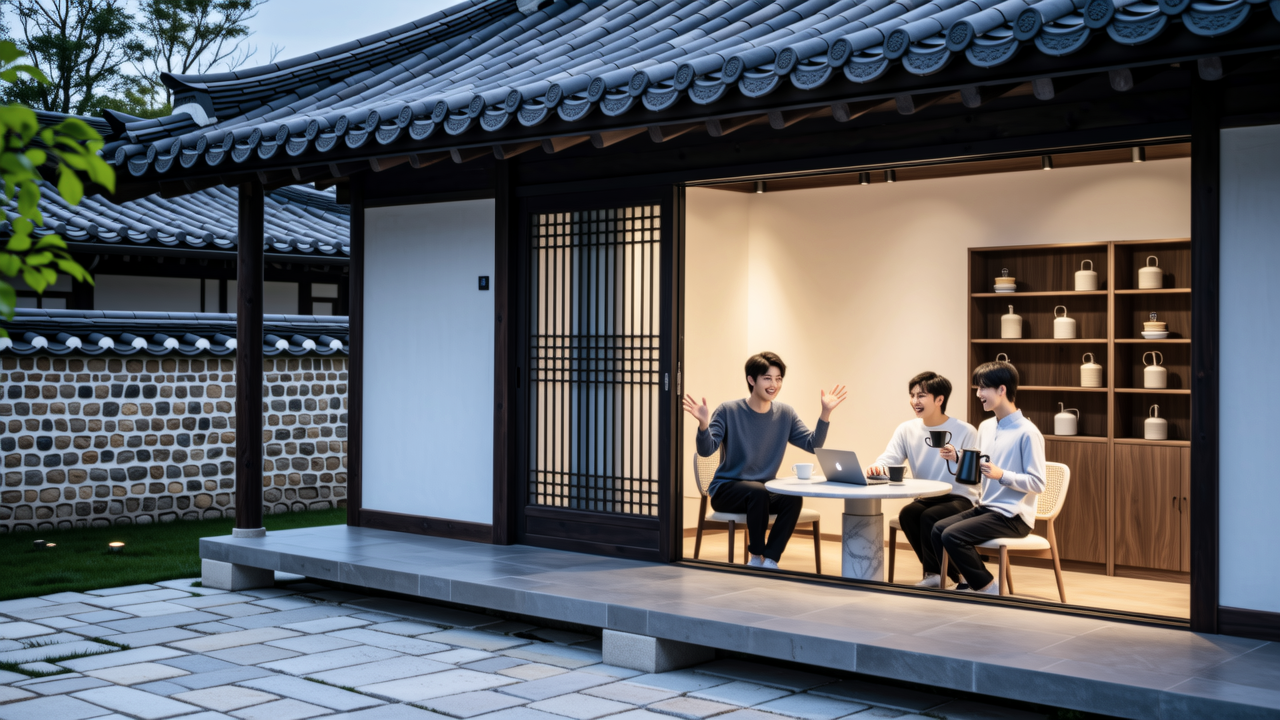
تُعد مناطق الجذب السياحي والحماية التراثية التي تضم المنازل التقليدية 'هانوك' في كوريا الجنوبية الآن تشهد ازدهارًا غير متوقع. لآلاف السنين، كانت هذه المنازل ذات الجدر الخشبية، والأرضيات المدفأة (أوندول)، والأسقف المقوسة تُنظر إليها فقط كتراث ثابت. ومع ذلك، هناك موجة ثقافية حديثة تجتاح المنطقة، وتدفعها بشكل رئيسي جيل الألفية وجيل Z، حيث يدمجون بروح الهدوء القديم في نبض الحياة التجارية الحديثة مع لمسة جمالية مذهلة وصورة جذابة للصور الفوتوغرافية.
لقد تغيرت مدن مثل بلدة بوتشون هانوك في منطقة جونغنو إلى مركز حديث عندما تم إصلاح العديد من المباني القديمة بعناية وتقديم دفعة جديدة لها. هذه المنازل ذات الحدائق المركزية أصبحت الآن عادةً ما تُستخدم كcafés ذات مفاهيم حديثة تقدم الحلويات التقليدية المختلطة بالغرب، وصالات عرض فنية للمؤلفين المحليين، بالإضافة إلى أماكن إقامة ريفية فاخرة للإقامة القصيرة (الإقامة في نهاية الأسبوع). خلف الجدر الطينية الكلاسيكية، سيُرحب بالزوار بمرافق ذكية قليلة، وأثاث بسيط، وأجهزة تكييف متقدمة، وشبكة إنترنت سريعة جدًا.
هذه التحولات مرتبطة بشكل وثيق برغبة الشباب الحديث في الهروب مؤقتًا من ضغوط العيش في شقق مكتبة مزدحمة. الاستمتاع بفنجان قهوة بينما تشاهد قطرات المطر تسقط من أسطح هانوك توفر نوعًا من الشفاء الروحي والتجربة البصرية المذهلة. حتى أن الاتجاه الذي يرتدي فيه الناس ملابس هانبوك التقليدية أثناء التقاط الصور على الإنترنت والوسائط الاجتماعية قد زاد من جذب السياح الدوليين لتجربة جمال التوازن بين التراث في وسط المدينة المتقدم في جميع جوانب الحياة التجارية.
بالإضافة إلى الربح التجاري الكبير الذي يجلبه المستثمرون الشباب، فإن الحملة هذه تساعد بشكل غير مباشر على إنقاذ عدد كبير من فنون النجارة الخشبية المحلية (دايموك جانغ) التي كانت على وشك الانقراض. كما رأت الحكومة الإقليمية هذا التكامل كوسيلة فعالة للحفاظ على الممتلكات الوطنية دون الحاجة إلى الدعم الحكومي فقط، لذلك عرضت قروض تمويل منخفضة للمالكين لتحسين المرافق الأساسية. الجمع بين العناصر البسيطة القديمة وفلسفة الحياة الحديثة جعلت مناخًا ثقافيًا اجتماعيًا فريدًا، مما جعل هانوك رمزًا مهمًا للتراث الديناميكي في القرن الحادي والعشرين في شبه الجزيرة.
استيقاظ قرية هانوك التقليدية تجذب جيل الألفية وجيل Z الكوري. يلاحظ اتجاه جديد حيث بدأت الجيل الشاب في كوريا الجنوبية في استكشاف فريدة الثقافة المبنية على هانوك، وتغييرها إلى مساحات كافيه جمالية ومواقع إقامة ريفية حديثة.. تُعد مناطق الجذب السياحي والحماية التراثية التي تضم المنازل التقليدية 'هانوك' في كوريا الجنوبية الآن تشهد ازدهارًا غير متوقع. لآلاف السنين، كانت هذه المنازل ذات الجدر الخشبية، والأرضيات المدفأة أوندول ، والأسقف المقوسة تُنظر إليها فقط كتراث ثابت. ومع ذلك، هناك موجة ثقافية حديثة تجتاح المنطقة، وتدفعها بشكل رئيسي جيل الألفية وجيل Z، حيث يدمجون بروح الهدوء القديم في نبض الحياة التجارية الحديثة مع لمسة جمالية مذهلة وصورة جذابة للصور الفوتوغرافية.
لقد تغيرت مدن مثل بلدة بوتشون هانوك في منطقة جونغنو إلى مركز حديث عندما تم إصلاح العديد من المباني القديمة بعناية وتقديم دفعة جديدة لها. هذه المنازل ذات الحدائق المركزية أصبحت الآن عادةً ما تُستخدم كcafés ذات مفاهيم حديثة تقدم الحلويات التقليدية المختلطة بالغرب، وصالات عرض فنية للمؤلفين المحليين، بالإضافة إلى أماكن إقامة ريفية فاخرة للإقامة القصيرة الإقامة في نهاية الأسبوع . خلف الجدر الطينية الكلاسيكية، سيُرحب بالزوار بمرافق ذكية قليلة، وأثاث بسيط، وأجهزة تكييف متقدمة، وشبكة إنترنت سريعة جدًا.
هذه التحولات مرتبطة بشكل وثيق برغبة الشباب الحديث في الهروب مؤقتًا من ضغوط العيش في شقق مكتبة مزدحمة. الاستمتاع بفنجان قهوة بينما تشاهد قطرات المطر تسقط من أسطح هانوك توفر نوعًا من الشفاء الروحي والتجربة البصرية المذهلة. حتى أن الاتجاه الذي يرتدي فيه الناس ملابس هانبوك التقليدية أثناء التقاط الصور على الإنترنت والوسائط الاجتماعية قد زاد من جذب السياح الدوليين لتجربة جمال التوازن بين التراث في وسط المدينة المتقدم في جميع جوانب الحياة التجارية.
بالإضافة إلى الربح التجاري الكبير الذي يجلبه المستثمرون الشباب، فإن الحملة هذه تساعد بشكل غير مباشر على إنقاذ عدد كبير من فنون النجارة الخشبية المحلية دايموك جانغ التي كانت على وشك الانقراض. كما رأت الحكومة الإقليمية هذا التكامل كوسيلة فعالة للحفاظ على الممتلكات الوطنية دون الحاجة إلى الدعم الحكومي فقط، لذلك عرضت قروض تمويل منخفضة للمالكين لتحسين المرافق الأساسية. الجمع بين العناصر البسيطة القديمة وفلسفة الحياة الحديثة جعلت مناخًا ثقافيًا اجتماعيًا فريدًا، مما جعل هانوك رمزًا مهمًا للتراث الديناميكي في القرن الحادي والعشرين في شبه الجزيرة.