1. What Is a Thaumatrope? A Toy That Tricks the Eye
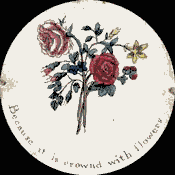
Imagine a circular piece of cardboard, about the size of a hand, with two different images on each side. One side has a birdcage; the other has a small bird. When the string at both ends of the card is spun quickly, the bird seems to be trapped inside the cage. That is the thaumatrope – the first optical device that uses the principle of
persistence of vision (retinal afterimage) to create an illusion of combined images.
Invented in 1825, the thaumatrope was not just a toy. It was a gateway to understanding how our eyes and brain process visual images. When the card spins, each image is only visible for a brief moment – about one-eighth of a second – but the brain stores it as if it still exists. The result: two different images merge into a coherent scene.
2. The Science Behind the Illusion: Persistence of Vision
The phenomenon of
persistence of vision is the basis of the thaumatrope illusion. When we look at something, the retina of our eye continues to send signals to the brain even after the object is gone. This effect lasts for a very short period – about 0.1 to 0.2 seconds. If a new image appears within this time, our brain does not notice any gap; it perceives both images as a continuous sequence.
In the thaumatrope, the fast spinning ensures that both images are displayed alternately in a short enough time for the brain to 'combine' them. This is the widely accepted explanation, although some scientists argue that the motion illusion in stroboscopes and films is actually caused by other factors, such as the phi phenomenon or beta movement. Nevertheless, the thaumatrope remains a classic example of how easily our brains can be tricked.
3. The History of Thaumatrope: From Toy to Animation Revolution
The thaumatrope is credited to Dr. John Ayrton Paris, a British doctor who wanted to demonstrate the
persistence of vision principle to his friends. However, there is evidence that the inventor might also have been another scientist, Charles Babbage (the father of the computer) or William Henry Fox Talbot (a pioneer of photography). Regardless of who the inventor was, the thaumatrope became popular quickly in the early 19th century.
This toy was often sold in toy shops and became affordable entertainment in homes. Many classic thaumatropes also included riddles or short poems, with one line on each side of the card. For example, "Why is a raven like a writing desk?" (Why is a raven like a writing desk?) – a riddle later immortalized in Alice’s Adventures in Wonderland by Lewis Carroll.
The thaumatrope is also considered an early ancestor of animation. Although it did not produce complex motion illusions like the phenakistoscope or zoetrope, it showed that static images could 'come alive' when spun quickly. This paved the way for the creation of the first animated films and, eventually, modern cinema.
4. Most Popular Thaumatrope Image Examples
Among the most famous thaumatrope designs are:
- Bird and Cage: The most classic image. A bird on one side, a cage on the other. When spun, the bird appears to be trapped inside the cage.
- Empty Tree and Leaves: One side shows a tree without leaves, the other with full leaves. Spinning creates the illusion of a living tree coming back to life.
- Horse and Rider: A horse on one side, a rider on the other. When spun, the rider appears to be riding the horse.
- Flower and Butterfly: A flower on one side, a butterfly on the other. The illusion shows the butterfly landing on the flower.
- Fish and Aquarium: A fish on one side, an aquarium on the other. The fish appears to swim inside the aquarium.
Each design uses the same principle: two complementary images that are merged by the brain to create a complete scene.
5. Thaumatrope in Pop Culture and Education
Although thaumatropes are rarely sold as commercial toys, they remain relevant in science and art education. In schools, thaumatropes are often used to teach the concept of
persistence of vision and the basics of animation. Students can make their own thaumatropes using only cardboard, colored pencils, and string – a cheap, easy, and very effective activity.
In pop culture, the thaumatrope appears in various forms. The movie Harry Potter and the Prisoner of Azkaban features a thaumatrope as part of the set decoration. It has also inspired logos for several companies, video games, and modern graphic design that uses optical illusions.
6. Why Thaumatrope Is Important for Modern Animation
Without the thaumatrope, there might be no
Toy Story,
SpongeBob SquarePants, or
Upin & Ipin. It sounds exaggerated, but it's true. The thaumatrope is the first proof that static images can be turned into motion illusions in an easy and inexpensive way. This opened the eyes of 19th-century scientists and artists to explore further.
After the thaumatrope came the phenakistoscope (1832), which had a rotating disk with viewing slots, the zoetrope (1834), which used a rotating drum, and finally, the celluloid film (1888) by Louis Le Prince. Each of these steps was built on the same understanding: that our eyes can be tricked into seeing motion where there is none.
The thaumatrope also teaches us about limitless creativity with limited resources. With just a piece of cardboard and two images, humans managed to create a visual wonder that remains relevant for almost 200 years. It is a reminder that innovation often starts from something very simple.
Conclusion
The thaumatrope may seem like a simple paper toy. However, behind its simplicity lies a big secret about how we see the world. It is a scientific tool that unites art, science, and education in one turn of a string. So, the next time you watch your favorite animated film, remember that everything started with a piece of cardboard and an illusion that tricks your brain.
---
Reference: Thaumatrope — Wikipedia
This Simple Paper Toy Tricks Your Brain – and Creates the First Illusion of Motion. Thaumatrope, a small optical device from 1825, may look like a simple children's toy. However, behind the rotation of two simple images, it hides a big secret: how the human brain can be tricked into seeing moving images. This article reveals the history, science, and impact of thaumatrope on the animation and film industry we know today.. 1. What Is a Thaumatrope? A Toy That Tricks the Eye
Imagine a circular piece of cardboard, about the size of a hand, with two different images on each side. One side has a birdcage; the other has a small bird. When the string at both ends of the card is spun quickly, the bird seems to be trapped inside the cage. That is the thaumatrope – the first optical device that uses the principle of persistence of vision retinal afterimage to create an illusion of combined images.
Invented in 1825, the thaumatrope was not just a toy. It was a gateway to understanding how our eyes and brain process visual images. When the card spins, each image is only visible for a brief moment – about one-eighth of a second – but the brain stores it as if it still exists. The result: two different images merge into a coherent scene.
2. The Science Behind the Illusion: Persistence of Vision
The phenomenon of persistence of vision is the basis of the thaumatrope illusion. When we look at something, the retina of our eye continues to send signals to the brain even after the object is gone. This effect lasts for a very short period – about 0.1 to 0.2 seconds. If a new image appears within this time, our brain does not notice any gap; it perceives both images as a continuous sequence.
In the thaumatrope, the fast spinning ensures that both images are displayed alternately in a short enough time for the brain to 'combine' them. This is the widely accepted explanation, although some scientists argue that the motion illusion in stroboscopes and films is actually caused by other factors, such as the phi phenomenon or beta movement . Nevertheless, the thaumatrope remains a classic example of how easily our brains can be tricked.
3. The History of Thaumatrope: From Toy to Animation Revolution
The thaumatrope is credited to Dr. John Ayrton Paris, a British doctor who wanted to demonstrate the persistence of vision principle to his friends. However, there is evidence that the inventor might also have been another scientist, Charles Babbage the father of the computer or William Henry Fox Talbot a pioneer of photography . Regardless of who the inventor was, the thaumatrope became popular quickly in the early 19th century.
This toy was often sold in toy shops and became affordable entertainment in homes. Many classic thaumatropes also included riddles or short poems, with one line on each side of the card. For example, "Why is a raven like a writing desk?" Why is a raven like a writing desk? – a riddle later immortalized in Alice’s Adventures in Wonderland by Lewis Carroll.
The thaumatrope is also considered an early ancestor of animation. Although it did not produce complex motion illusions like the phenakistoscope or zoetrope, it showed that static images could 'come alive' when spun quickly. This paved the way for the creation of the first animated films and, eventually, modern cinema.
4. Most Popular Thaumatrope Image Examples
Among the most famous thaumatrope designs are:
- Bird and Cage : The most classic image. A bird on one side, a cage on the other. When spun, the bird appears to be trapped inside the cage.
- Empty Tree and Leaves : One side shows a tree without leaves, the other with full leaves. Spinning creates the illusion of a living tree coming back to life.
- Horse and Rider : A horse on one side, a rider on the other. When spun, the rider appears to be riding the horse.
- Flower and Butterfly : A flower on one side, a butterfly on the other. The illusion shows the butterfly landing on the flower.
- Fish and Aquarium : A fish on one side, an aquarium on the other. The fish appears to swim inside the aquarium.
Each design uses the same principle: two complementary images that are merged by the brain to create a complete scene.
5. Thaumatrope in Pop Culture and Education
Although thaumatropes are rarely sold as commercial toys, they remain relevant in science and art education. In schools, thaumatropes are often used to teach the concept of persistence of vision and the basics of animation. Students can make their own thaumatropes using only cardboard, colored pencils, and string – a cheap, easy, and very effective activity.
In pop culture, the thaumatrope appears in various forms. The movie Harry Potter and the Prisoner of Azkaban features a thaumatrope as part of the set decoration. It has also inspired logos for several companies, video games, and modern graphic design that uses optical illusions.
6. Why Thaumatrope Is Important for Modern Animation
Without the thaumatrope, there might be no Toy Story , SpongeBob SquarePants , or Upin & Ipin . It sounds exaggerated, but it's true. The thaumatrope is the first proof that static images can be turned into motion illusions in an easy and inexpensive way. This opened the eyes of 19th-century scientists and artists to explore further.
After the thaumatrope came the phenakistoscope 1832 , which had a rotating disk with viewing slots, the zoetrope 1834 , which used a rotating drum, and finally, the celluloid film 1888 by Louis Le Prince. Each of these steps was built on the same understanding: that our eyes can be tricked into seeing motion where there is none.
The thaumatrope also teaches us about limitless creativity with limited resources. With just a piece of cardboard and two images, humans managed to create a visual wonder that remains relevant for almost 200 years. It is a reminder that innovation often starts from something very simple.
Conclusion
The thaumatrope may seem like a simple paper toy. However, behind its simplicity lies a big secret about how we see the world. It is a scientific tool that unites art, science, and education in one turn of a string. So, the next time you watch your favorite animated film, remember that everything started with a piece of cardboard and an illusion that tricks your brain.
---
Reference: Thaumatrope — Wikipedia https://en.wikipedia.org/wiki/Thaumatrope