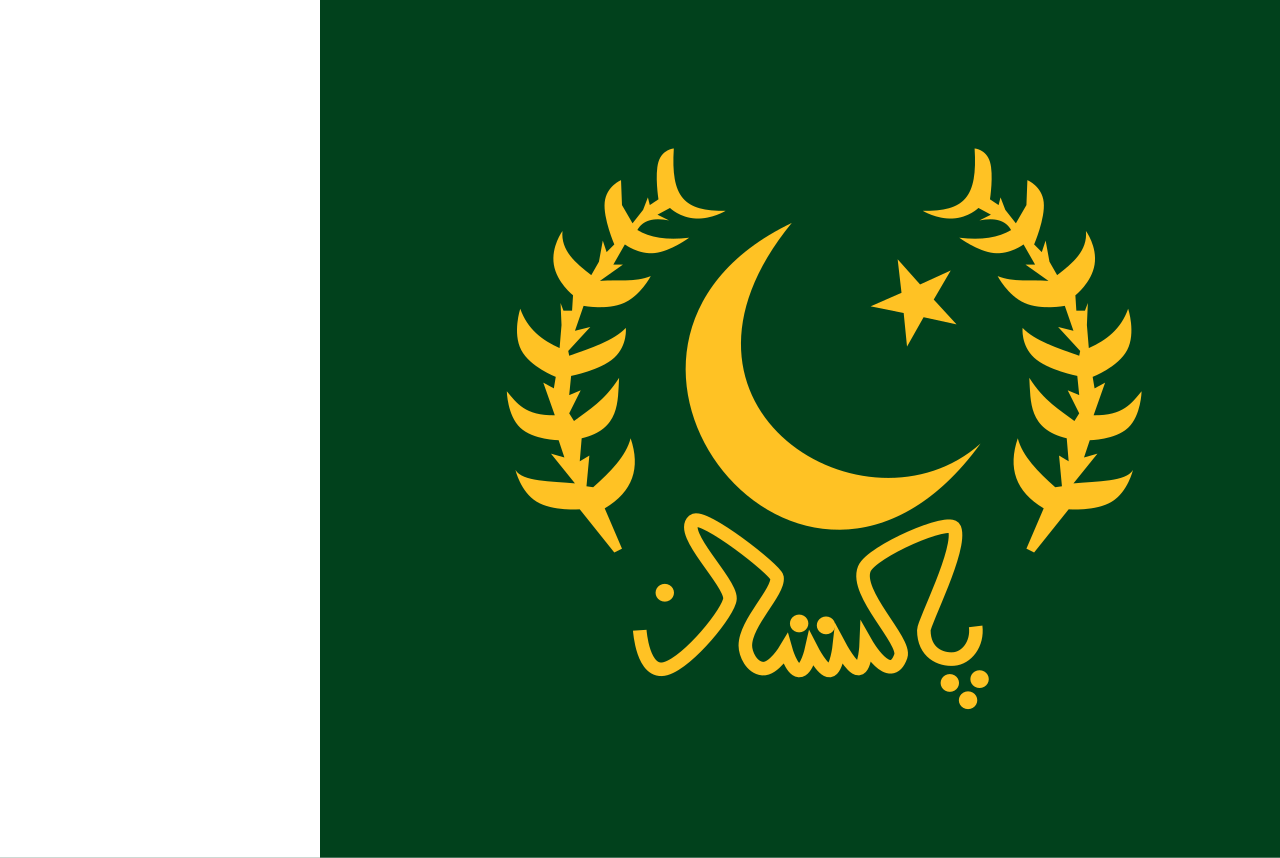
On November 5, 1996, Pakistan's political history witnessed a major turning point when President Farooq Leghari took the drastic decision to terminate the administration of Prime Minister Benazir Bhutto. In addition to dismissing the federal cabinet, President Leghari also dissolved the National Assembly, abruptly ending Bhutto's second term in leadership. This action sent shockwaves throughout the country and highlighted the fragility of parliamentary democratic stability in Pakistan during the 1990s.
Leghari's decision was executed through special constitutional powers that allowed the President to dissolve the government in the event of administrative malfunction. This dismissal occurred amidst allegations of abuse of power, poor economic management, and accusations of corruption involving several high-ranking government officials. Although Benazir Bhutto and President Leghari initially came from the same political affiliation through the Pakistan Peoples Party (PPP), the relationship between the two leaders had grown increasingly strained due to differing views on governance and judicial appointments.
The Moment of Dismissal and Conflict Between Leaders
To the crisis that led to the dismissal on November 5, 1996 did not happen suddenly; rather, it was the result of prolonged tension. Throughout Benazir Bhutto's second term as Prime Minister, which began in 1993, her administration frequently faced various public order challenges and disputes with the judiciary. This situation worsened when open conflict erupted between the executive branch and the Supreme Court of Pakistan regarding the procedure for appointing judges.
President Farooq Leghari, serving as the head of state, began to adopt a critical stance toward the federal government's management style. Security issues in the capital and major cities, along with financial market instability, served as the primary motivations for the president's office to intervene. When the dismissal order was issued in the early hours of November 5, security forces swiftly secured vital premises in Islamabad to ensure a smooth interim administrative transition without civil unrest.
Leghari's action marked the second time Benazir Bhutto's leadership term was prematurely terminated. Previously, her first administration from 1988 to 1990 was also dismissed by President Ghulam Ishaq Khan through similar constitutional provisions. This highlighted a pattern of instability where democratically elected governments repeatedly faced obstacles from the presidential office.
The Role and Constitutional Powers of the President of Pakistan
Based on the country's legal framework, the President of Pakistan is the head of state of the Islamic Republic of Pakistan and the supreme commander of the Pakistan Armed Forces. The President acts as a symbol of federal unity and is traditionally subject to the advice of the Prime Minister and the Federal Cabinet. However, in Pakistan's constitutional history, the scope of presidential powers has frequently changed in accordance with constitutional amendments in force during a given era.
In 1996, the provisions of the Eighth Amendment to the Constitution of Pakistan granted significant veto and prerogative powers to the President, including the authority to dissolve the National Assembly at their discretion. These provisions frequently became a battleground between the head of state, who held formal power, and the head of government, who held the mandate of the popular majority. It was only in subsequent years, through various constitutional reforms, that this dissolution power was curtailed to strengthen the parliamentary democratic system.
Pakistan's presidential system continues to evolve over time. In the modern era, Asif Ali Zardari assumed office as the 14th President of Pakistan after taking the oath on March 10, 2024. Although the president's role is now more ceremonial and guided by amended constitutions, the lessons of the 1996 event remain a historical reminder of the importance of a balance of power among the nation's key institutions.
Impact on the Political Landscape and Democratic Legacy
Implications of the dismissal of Benazir Bhutto's government on November 5, 1996, had a profound effect on Pakistan's political direction. Following the dissolution of parliament, a caretaker government was formed to manage state administration until general elections were held in early 1997. Those elections saw a heavy defeat for the Pakistan Peoples Party and the resurgence of the Pakistan Muslim League under the leadership of Nawaz Sharif.
This event also altered public perception regarding the integrity of democratic institutions in the country. It sparked prolonged debate over the extent to which the power of the head of state could be used to overturn the public mandate obtained through elections. For many historical analysts, the 1996 episode reflected the major challenges faced by developing countries in balancing executive, judicial, and military powers.
To this day, the events of November 5, 1996 remain an important landmark in the history of Pakistan's democratic consolidation. The decision made by President Farooq Leghari not only ended Bhutto's administration at that time but also served as a catalyst for various legal reforms aimed at preventing the sudden dismissal of governments in the future.
Source: Wikipedia — https://en.wikipedia.org/wiki/President_of_Pakistan | License: CC BY-SA 4.0_
1996: Dismissal of Benazir Bhutto's Administration and Dissolution of the National Assembly by President Farooq Leghari. On November 5, 1996, Pakistani President Farooq Leghari made a historic political decision by dismissing the government led by Prime Minister Benazir Bhutto and dissolving the National Assembly. This drastic step was taken based on allegations of abuse of power and governance crises that undermined the country's stability. This event demonstrated ongoing tensions between the head of state and the head of government within Pakistan's constitutional structure. Its impact profoundly altered the nation's political trajectory ahead of the new millennium.. On November 5, 1996, Pakistan's political history witnessed a major turning point when President Farooq Leghari took the drastic decision to terminate the administration of Prime Minister Benazir Bhutto. In addition to dismissing the federal cabinet, President Leghari also dissolved the National Assembly, abruptly ending Bhutto's second term in leadership. This action sent shockwaves throughout the country and highlighted the fragility of parliamentary democratic stability in Pakistan during the 1990s.
Leghari's decision was executed through special constitutional powers that allowed the President to dissolve the government in the event of administrative malfunction. This dismissal occurred amidst allegations of abuse of power, poor economic management, and accusations of corruption involving several high-ranking government officials. Although Benazir Bhutto and President Leghari initially came from the same political affiliation through the Pakistan Peoples Party PPP , the relationship between the two leaders had grown increasingly strained due to differing views on governance and judicial appointments.
The Moment of Dismissal and Conflict Between Leaders
To the crisis that led to the dismissal on November 5, 1996 did not happen suddenly; rather, it was the result of prolonged tension. Throughout Benazir Bhutto's second term as Prime Minister, which began in 1993, her administration frequently faced various public order challenges and disputes with the judiciary. This situation worsened when open conflict erupted between the executive branch and the Supreme Court of Pakistan regarding the procedure for appointing judges.
President Farooq Leghari, serving as the head of state, began to adopt a critical stance toward the federal government's management style. Security issues in the capital and major cities, along with financial market instability, served as the primary motivations for the president's office to intervene. When the dismissal order was issued in the early hours of November 5, security forces swiftly secured vital premises in Islamabad to ensure a smooth interim administrative transition without civil unrest.
Leghari's action marked the second time Benazir Bhutto's leadership term was prematurely terminated. Previously, her first administration from 1988 to 1990 was also dismissed by President Ghulam Ishaq Khan through similar constitutional provisions. This highlighted a pattern of instability where democratically elected governments repeatedly faced obstacles from the presidential office.
The Role and Constitutional Powers of the President of Pakistan
Based on the country's legal framework, the President of Pakistan is the head of state of the Islamic Republic of Pakistan and the supreme commander of the Pakistan Armed Forces. The President acts as a symbol of federal unity and is traditionally subject to the advice of the Prime Minister and the Federal Cabinet. However, in Pakistan's constitutional history, the scope of presidential powers has frequently changed in accordance with constitutional amendments in force during a given era.
In 1996, the provisions of the Eighth Amendment to the Constitution of Pakistan granted significant veto and prerogative powers to the President, including the authority to dissolve the National Assembly at their discretion. These provisions frequently became a battleground between the head of state, who held formal power, and the head of government, who held the mandate of the popular majority. It was only in subsequent years, through various constitutional reforms, that this dissolution power was curtailed to strengthen the parliamentary democratic system.
Pakistan's presidential system continues to evolve over time. In the modern era, Asif Ali Zardari assumed office as the 14th President of Pakistan after taking the oath on March 10, 2024. Although the president's role is now more ceremonial and guided by amended constitutions, the lessons of the 1996 event remain a historical reminder of the importance of a balance of power among the nation's key institutions.
Impact on the Political Landscape and Democratic Legacy
Implications of the dismissal of Benazir Bhutto's government on November 5, 1996, had a profound effect on Pakistan's political direction. Following the dissolution of parliament, a caretaker government was formed to manage state administration until general elections were held in early 1997. Those elections saw a heavy defeat for the Pakistan Peoples Party and the resurgence of the Pakistan Muslim League under the leadership of Nawaz Sharif.
This event also altered public perception regarding the integrity of democratic institutions in the country. It sparked prolonged debate over the extent to which the power of the head of state could be used to overturn the public mandate obtained through elections. For many historical analysts, the 1996 episode reflected the major challenges faced by developing countries in balancing executive, judicial, and military powers.
To this day, the events of November 5, 1996 remain an important landmark in the history of Pakistan's democratic consolidation. The decision made by President Farooq Leghari not only ended Bhutto's administration at that time but also served as a catalyst for various legal reforms aimed at preventing the sudden dismissal of governments in the future.
Source: Wikipedia — https://en.wikipedia.org/wiki/President of Pakistan License: CC BY-SA 4.0