The Surrender of Évora and the Victory at Ameixial
On 24 June 1663, the Spanish garrison in the city of Évora, in the Alentejo region of Portugal, officially surrendered to Portuguese forces. This event occurred just a few weeks after the Battle of Ameixial on 8 June 1663, where Portuguese troops under the command of António Luís de Sousa, Count of Prado, defeated the Spanish forces led by Juan José de Austria, the illegitimate son of King Philip IV of Spain. The battle took place near Estremoz, about 40 kilometers northeast of Évora, and is considered one of the most decisive battles in the Portuguese Restoration War.
The victory at Ameixial resulted in over 8,000 Spanish soldiers killed or wounded, while the Portuguese suffered around 2,000 casualties. This success allowed the Portuguese army to besiege Évora, which had been under Spanish control since the start of the war. After several weeks of siege, with dwindling food and ammunition supplies, the Spanish commander in Évora had no choice but to surrender. The surrender was conducted honorably, allowing the Spanish troops to leave the city with their weapons, although the city itself returned to Portuguese hands.
Context of the Portuguese Restoration War
The Portuguese Restoration War (1640–1668) began when Portuguese nobles rebelled against Spanish rule, which had united both kingdoms under the Habsburg Crown since 1580. King João IV of Portugal was crowned in December 1640, starting a long war to regain independence. For over two decades, battles took place along the border and in overseas colonies.
In the early 1660s, the war entered a critical phase. Spain, under Philip IV, sought to crush the Portuguese rebellion once and for all, while Portugal received support from England, France, and the Netherlands. The Battle of Ameixial was part of a larger Spanish campaign to retake Alentejo, a major agricultural region of Portugal. The Portuguese victory there halted the Spanish advance and prevented them from taking control of southern Portugal.
António Luís de Sousa, Count of Prado, was an experienced commander who had served since the beginning of the war. He was known for his effective defensive strategies and ability to motivate his troops. Juan José de Austria, on the other hand, was a high-ranking Spanish general, but his campaign failed due to lack of resources and logistics.
Significance of the Surrender of Évora
Évora was not just an ordinary town. It was called "Very Noble and Ever Loyal City" and was regarded as the historical capital of Alentejo. With a population of approximately 53,000 people (2021) and an area of 1,307 square kilometers, Évora has been a cultural, religious, and administrative center since Roman times. During the war, losing Évora was a major blow to Spanish prestige, as it showed that Portugal was capable of defending and reclaiming important cities.
This surrender paved the way for peace negotiations. Spain realized that conquering Portugal was impossible through military force. In 1665, the Battle of Vila Viçosa further strengthened Portuguese superiority, and finally, in 1668, the Treaty of Lisbon was signed, in which Spain recognized Portuguese independence and ended the Portuguese Restoration War.
Historical Legacy of Évora to This Day
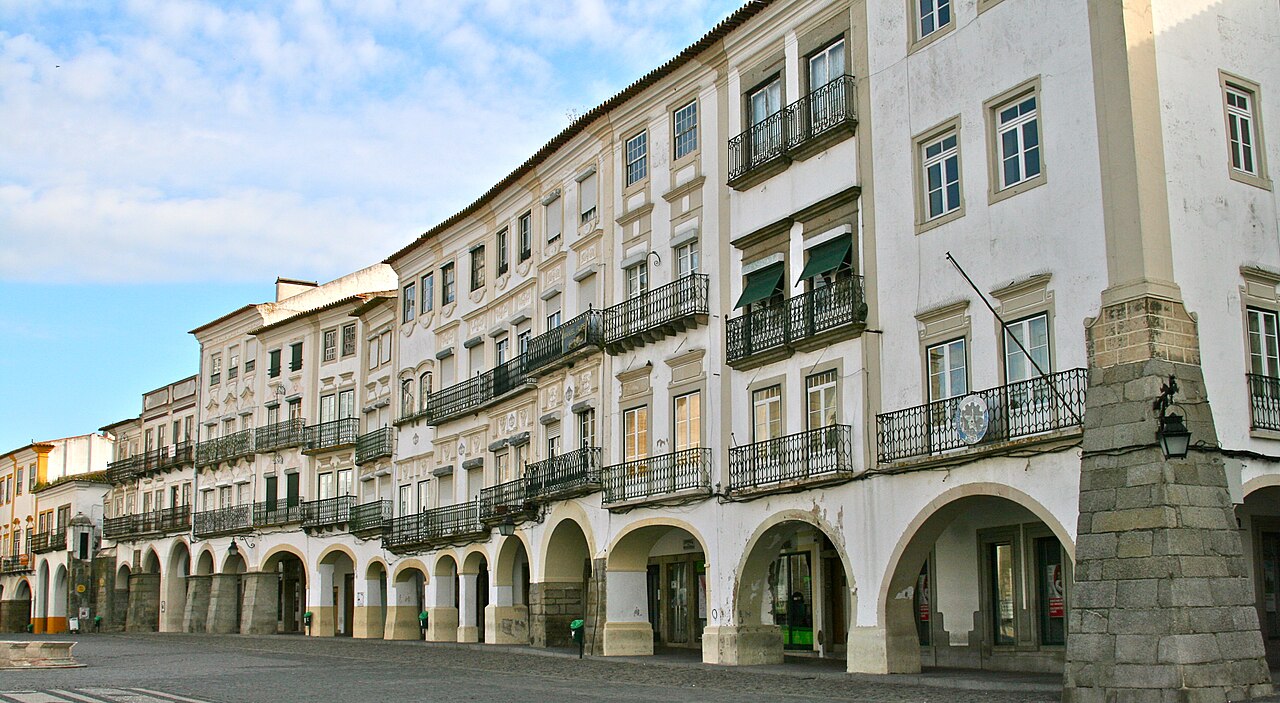
Today, Évora is a city rich in history. Its downtown was declared a UNESCO World Heritage Site in 1986, famous for its well-preserved Roman temples, Gothic cathedral, and traditional white architecture of Alentejo. Every year, thousands of tourists come to see the remnants of Portugal's golden age.
The event of 24 June 1663 is not forgotten. It is commemorated as a day of heroism and determination of the Portuguese people for freedom. In local museums, artifacts from the Battle of Ameixial are displayed, and in the main square, plaques remind residents of the struggles of their ancestors. In a broader context, this victory is among the moments that shaped Portugal's identity as a sovereign nation distinct from its neighbor Spain.
Source: Wikipedia — https://en.wikipedia.org/wiki/Évora | License: CC BY-SA 4.0
24 June 1663: The Fall of Évora Strengthened Portuguese Independence. On 24 June 1663, the Spanish garrison in Évora surrendered after the Spanish military defeat in the Battle of Ameixial. This event marked the beginning of the Portuguese Restoration War (1640–1668), solidifying Portuguese sovereignty and signaling the decline of Habsburg influence in southern Iberia. The victory under the leadership of António Luís de Sousa, Count of Prado, against Juan José de Austria paved the way for the 1668 Treaty of Lisbon, which recognized Portuguese independence.. The Surrender of Évora and the Victory at Ameixial
On 24 June 1663, the Spanish garrison in the city of Évora, in the Alentejo region of Portugal, officially surrendered to Portuguese forces. This event occurred just a few weeks after the Battle of Ameixial on 8 June 1663, where Portuguese troops under the command of António Luís de Sousa, Count of Prado, defeated the Spanish forces led by Juan José de Austria, the illegitimate son of King Philip IV of Spain. The battle took place near Estremoz, about 40 kilometers northeast of Évora, and is considered one of the most decisive battles in the Portuguese Restoration War.
The victory at Ameixial resulted in over 8,000 Spanish soldiers killed or wounded, while the Portuguese suffered around 2,000 casualties. This success allowed the Portuguese army to besiege Évora, which had been under Spanish control since the start of the war. After several weeks of siege, with dwindling food and ammunition supplies, the Spanish commander in Évora had no choice but to surrender. The surrender was conducted honorably, allowing the Spanish troops to leave the city with their weapons, although the city itself returned to Portuguese hands.
Context of the Portuguese Restoration War
The Portuguese Restoration War 1640–1668 began when Portuguese nobles rebelled against Spanish rule, which had united both kingdoms under the Habsburg Crown since 1580. King João IV of Portugal was crowned in December 1640, starting a long war to regain independence. For over two decades, battles took place along the border and in overseas colonies.
In the early 1660s, the war entered a critical phase. Spain, under Philip IV, sought to crush the Portuguese rebellion once and for all, while Portugal received support from England, France, and the Netherlands. The Battle of Ameixial was part of a larger Spanish campaign to retake Alentejo, a major agricultural region of Portugal. The Portuguese victory there halted the Spanish advance and prevented them from taking control of southern Portugal.
António Luís de Sousa, Count of Prado, was an experienced commander who had served since the beginning of the war. He was known for his effective defensive strategies and ability to motivate his troops. Juan José de Austria, on the other hand, was a high-ranking Spanish general, but his campaign failed due to lack of resources and logistics.
Significance of the Surrender of Évora
Évora was not just an ordinary town. It was called "Very Noble and Ever Loyal City" and was regarded as the historical capital of Alentejo. With a population of approximately 53,000 people 2021 and an area of 1,307 square kilometers, Évora has been a cultural, religious, and administrative center since Roman times. During the war, losing Évora was a major blow to Spanish prestige, as it showed that Portugal was capable of defending and reclaiming important cities.
This surrender paved the way for peace negotiations. Spain realized that conquering Portugal was impossible through military force. In 1665, the Battle of Vila Viçosa further strengthened Portuguese superiority, and finally, in 1668, the Treaty of Lisbon was signed, in which Spain recognized Portuguese independence and ended the Portuguese Restoration War.
Historical Legacy of Évora to This Day
Today, Évora is a city rich in history. Its downtown was declared a UNESCO World Heritage Site in 1986, famous for its well-preserved Roman temples, Gothic cathedral, and traditional white architecture of Alentejo. Every year, thousands of tourists come to see the remnants of Portugal's golden age.
The event of 24 June 1663 is not forgotten. It is commemorated as a day of heroism and determination of the Portuguese people for freedom. In local museums, artifacts from the Battle of Ameixial are displayed, and in the main square, plaques remind residents of the struggles of their ancestors. In a broader context, this victory is among the moments that shaped Portugal's identity as a sovereign nation distinct from its neighbor Spain.
Source: Wikipedia — https://en.wikipedia.org/wiki/Évora License: CC BY-SA 4.0