Introduction: Cries from the Cross of Baghdad
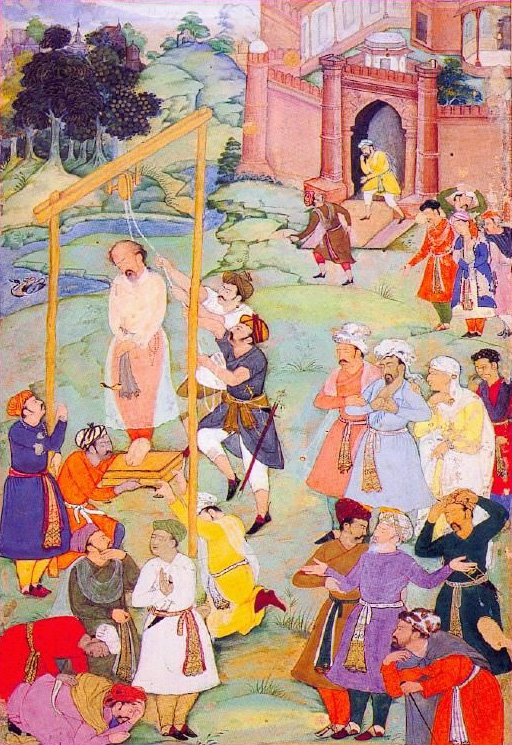
On a gloomy morning at the end of March 922, on the banks of the Tigris River in Baghdad, a middle-aged man with a calm face was brought before a crowd of thousands. He was Mansour al-Hallaj. After eight years in prison, he was sentenced to death by the Caliph al-Muqtadir. The punishment was brutal: flogged, his hands and feet cut off, crucified, and finally beheaded. Yet, in his final moments, it is said that al-Hallaj smiled and whispered, 'It is enough for one who knows his Lord to be alone with Him.' His death was not an end, but the beginning of a legend that would echo for centuries. Who was this man, willing to die for a single phrase: 'Ana al-Haqq'?
Background: From Seeker of Knowledge to Sufi Teacher
Mansour al-Hallaj was born around 858 CE in the town of al-Bayda, in the region of Fars, Persia (now Iran). His full name was Abu al-Mughith al-Husayn ibn Mansur al-Hallaj. The name 'al-Hallaj' means 'cotton spinner' or 'digger,' referring to his grandfather's occupation. From a young age, he showed a deep interest in Sufi knowledge. In his youth, al-Hallaj moved to Wasit, Iraq, and studied under renowned Sufi scholars, Sahl al-Tustari and Junayd al-Baghdadi.
Al-Hallaj was known as a tenacious spiritual traveler. He traveled to India, Central Asia, and China, spreading the teachings of divine love. His method of preaching differed from other Sufis. He spoke to the public in markets and mosques, using poetic and symbolic language. Many common people were attracted to his teachings, but more conservative scholars and Sufis began to suspect him. Even among his teachers, Junayd al-Baghdadi once warned: 'O Husayn, do not reveal this secret before those who are not worthy.'
Ana al-Haqq: A Mystical Interpretation That Brought Consequences
The phrase 'Ana al-Haqq' (I am the Truth) is the source of all controversy. In Sufi tradition, 'al-Haqq' is one of the names of God meaning 'Absolute Truth.' So when al-Hallaj said 'Ana al-Haqq,' many regarded it as a claim of divinity—like claiming he was God. However, within the framework of Sufism, this statement is interpreted as fana' (the annihilation of the self) or ittihad (union with God). When the ego of a servant disappears, only the Divine Presence remains. Therefore, al-Hallaj did not mean 'I, Mansour, am God,' but 'I have dissolved, and only God speaks through me.'
Despite this, during that time, Baghdad was in turmoil with political and religious power struggles. The Abbasid Caliph, al-Muqtadir, and his powerful ministers, such as Ali ibn Isa and Hamid ibn Abbas, used this issue as a reason to eliminate al-Hallaj. He was accused not only of blasphemy but also of being a spy and threatening national stability. In 913, al-Hallaj was arrested and imprisoned. For eight years in prison, he continued to write poetry and teach his devoted followers.
Trial and Punishment: Tragedy in the Abbasid Court
The trial of al-Hallaj was highly controversial. Many judges initially refused to sentence him to death, doubting the validity of the accusations. However, political pressure from the court and some hostile scholars eventually led to the decision of the death penalty. On 26 March 922, al-Hallaj was dragged to the place of execution. His body was flogged 1,000 times, then his hands and feet were cut off. He was crucified and left for a day. The next day, his head was severed, and his body was burned. His ashes were scattered into the Tigris River.
This story illustrates how cruel the Abbasid politics were at that time. However, al-Hallaj's actions also show extraordinary courage. He never recanted his words. Instead, on the cross, he is said to have continued to recite zikr and salawat. This event became a symbol of the struggle between spiritual freedom and political power.
Legacy and Influence: From Sufism to World Literature
Although al-Hallaj was considered heretical by some scholars, he became a revered martyr in Sufi tradition. His poems, especially in the diwan 'Kitab al-Tawasin,' became an important reference in Sufi philosophy. His poetic statements, such as 'I am the one I love, and the one I love is me,' became symbols of mystical love.
The influence of al-Hallaj extended beyond the Islamic world. Scholars like Louis Massignon and Annemarie Schimmel wrote extensively about him. In Western literature, al-Hallaj appears in the works of poets such as Muhammad Iqbal and in the novel 'The Conference of the Birds' by Attar. In Iran and Turkey, al-Hallaj is honored as a Sufi hero who opposed hypocrisy.
Conclusion: A Mirror of Human Spiritual Quest
The story of al-Hallaj reminds us that Islamic civilization was not only born from political and military strength, but also from the depth of spiritual experience. Al-Hallaj taught that love for God is a fire that burns away all falsehood, including one's own ego. His statement 'Ana al-Haqq' may be controversial, but for the Sufis, it is the most sincere acknowledgment of a servant who has dissolved in the presence of God. To this day, the tomb of al-Hallaj in Baghdad is a pilgrimage site for those seeking meaning beyond suffering and death. On the cross, al-Hallaj has become a symbol of love that is fearless in the face of death.
---
Reference: Al-Hallaj — Wikipedia
Al-Hallaj: The Controversial Sufi Who Was Crucified for Saying 'I Am the Truth'. Mansour al-Hallaj was a Sufi, poet, and spiritual teacher known for his statement 'Ana al-Haqq' (I am the Truth). This statement was considered a claim of divinity by the Abbasid authorities, leading to his imprisonment and eventual crucifixion in 922 CE. Although many contemporary Sufis did not agree with his actions, al-Hallaj later became a major figure in Sufi tradition, symbolizing divine love and mystical union.. Introduction: Cries from the Cross of Baghdad
On a gloomy morning at the end of March 922, on the banks of the Tigris River in Baghdad, a middle-aged man with a calm face was brought before a crowd of thousands. He was Mansour al-Hallaj. After eight years in prison, he was sentenced to death by the Caliph al-Muqtadir. The punishment was brutal: flogged, his hands and feet cut off, crucified, and finally beheaded. Yet, in his final moments, it is said that al-Hallaj smiled and whispered, 'It is enough for one who knows his Lord to be alone with Him.' His death was not an end, but the beginning of a legend that would echo for centuries. Who was this man, willing to die for a single phrase: 'Ana al-Haqq'?
Background: From Seeker of Knowledge to Sufi Teacher
Mansour al-Hallaj was born around 858 CE in the town of al-Bayda, in the region of Fars, Persia now Iran . His full name was Abu al-Mughith al-Husayn ibn Mansur al-Hallaj. The name 'al-Hallaj' means 'cotton spinner' or 'digger,' referring to his grandfather's occupation. From a young age, he showed a deep interest in Sufi knowledge. In his youth, al-Hallaj moved to Wasit, Iraq, and studied under renowned Sufi scholars, Sahl al-Tustari and Junayd al-Baghdadi.
Al-Hallaj was known as a tenacious spiritual traveler. He traveled to India, Central Asia, and China, spreading the teachings of divine love. His method of preaching differed from other Sufis. He spoke to the public in markets and mosques, using poetic and symbolic language. Many common people were attracted to his teachings, but more conservative scholars and Sufis began to suspect him. Even among his teachers, Junayd al-Baghdadi once warned: 'O Husayn, do not reveal this secret before those who are not worthy.'
Ana al-Haqq: A Mystical Interpretation That Brought Consequences
The phrase 'Ana al-Haqq' I am the Truth is the source of all controversy. In Sufi tradition, 'al-Haqq' is one of the names of God meaning 'Absolute Truth.' So when al-Hallaj said 'Ana al-Haqq,' many regarded it as a claim of divinity—like claiming he was God. However, within the framework of Sufism, this statement is interpreted as fana' the annihilation of the self or ittihad union with God . When the ego of a servant disappears, only the Divine Presence remains. Therefore, al-Hallaj did not mean 'I, Mansour, am God,' but 'I have dissolved, and only God speaks through me.'
Despite this, during that time, Baghdad was in turmoil with political and religious power struggles. The Abbasid Caliph, al-Muqtadir, and his powerful ministers, such as Ali ibn Isa and Hamid ibn Abbas, used this issue as a reason to eliminate al-Hallaj. He was accused not only of blasphemy but also of being a spy and threatening national stability. In 913, al-Hallaj was arrested and imprisoned. For eight years in prison, he continued to write poetry and teach his devoted followers.
Trial and Punishment: Tragedy in the Abbasid Court
The trial of al-Hallaj was highly controversial. Many judges initially refused to sentence him to death, doubting the validity of the accusations. However, political pressure from the court and some hostile scholars eventually led to the decision of the death penalty. On 26 March 922, al-Hallaj was dragged to the place of execution. His body was flogged 1,000 times, then his hands and feet were cut off. He was crucified and left for a day. The next day, his head was severed, and his body was burned. His ashes were scattered into the Tigris River.
This story illustrates how cruel the Abbasid politics were at that time. However, al-Hallaj's actions also show extraordinary courage. He never recanted his words. Instead, on the cross, he is said to have continued to recite zikr and salawat. This event became a symbol of the struggle between spiritual freedom and political power.
Legacy and Influence: From Sufism to World Literature
Although al-Hallaj was considered heretical by some scholars, he became a revered martyr in Sufi tradition. His poems, especially in the diwan 'Kitab al-Tawasin,' became an important reference in Sufi philosophy. His poetic statements, such as 'I am the one I love, and the one I love is me,' became symbols of mystical love.
The influence of al-Hallaj extended beyond the Islamic world. Scholars like Louis Massignon and Annemarie Schimmel wrote extensively about him. In Western literature, al-Hallaj appears in the works of poets such as Muhammad Iqbal and in the novel 'The Conference of the Birds' by Attar. In Iran and Turkey, al-Hallaj is honored as a Sufi hero who opposed hypocrisy.
Conclusion: A Mirror of Human Spiritual Quest
The story of al-Hallaj reminds us that Islamic civilization was not only born from political and military strength, but also from the depth of spiritual experience. Al-Hallaj taught that love for God is a fire that burns away all falsehood, including one's own ego. His statement 'Ana al-Haqq' may be controversial, but for the Sufis, it is the most sincere acknowledgment of a servant who has dissolved in the presence of God. To this day, the tomb of al-Hallaj in Baghdad is a pilgrimage site for those seeking meaning beyond suffering and death. On the cross, al-Hallaj has become a symbol of love that is fearless in the face of death.
---
Reference: Al-Hallaj — Wikipedia https://en.wikipedia.org/wiki/Al-Hallaj