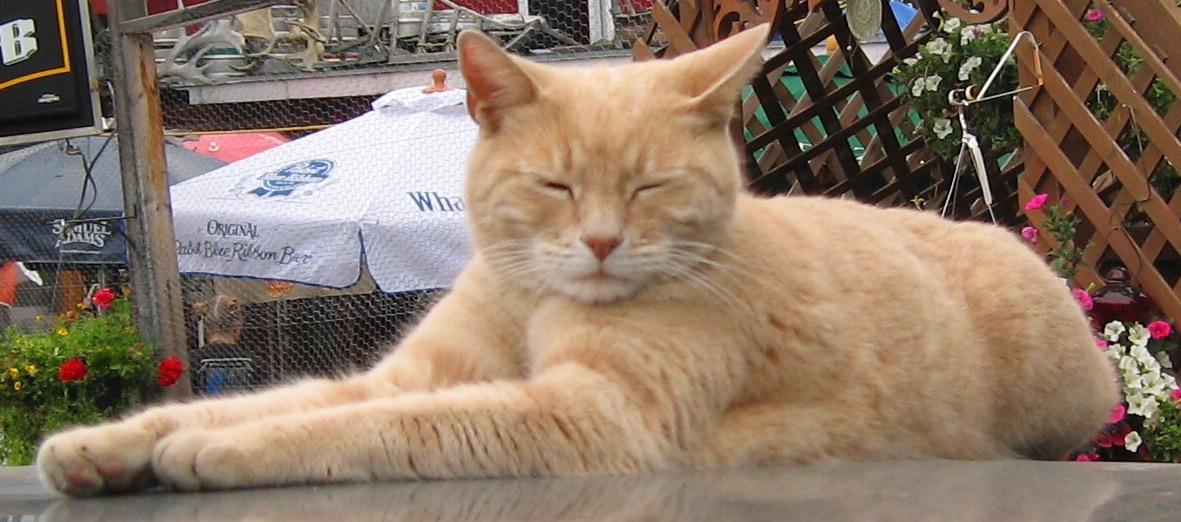
Furry Candidates: When Dogs and Cats Become Representatives
Have you ever thought about what would happen if your cute cat at home was suddenly declared a candidate for Member of Parliament? It sounds crazy, but it actually happened. In the United States, a dog named Bosco Radicatus ran for a seat in the House of Representatives in 2012. He was a Rottweiler owned by a political activist. His party? The 'Dog Party' — yes, that's the real name. Bosco didn't win, but he managed to gather a surprising number of protest votes. He 'campaigned' by barking at public gatherings, and his supporters wore t-shirts with his picture. Imagine, this dog almost beat a human candidate in a highly partisan area.
In Brazil, during the 2014 elections, a goat named Oliverio de Souza became a candidate for Mayor in the small town of Sobradinho. Why? As a protest against corruption. Oliverio 'stood' with his impressive horns, and his political party used the slogan 'Vote for the Goat, Not the Wolf'. Although he didn't win, he managed to educate the public about the need for honest leaders. These animals are not just a joke; they are a reflection of the people's disappointment with the current system.
Snowman as Mayor: A Cool Story from Canada
If dogs and goats seem normal, try imagining a snowman. In the small town of St. Paul, Alberta, Canada, in 1979, a comedian named Tom Green proposed a snowman as a candidate for Mayor. The snowman's name? 'Polaris' — it was a 2-meter-tall snowman with a red carrot nose. Surprisingly, Polaris won with a large majority! The town's residents voted for the snowman because they were tired of human candidates who were 'cold' and didn't do anything. Polaris became Mayor for 3 months until spring arrived and he melted. But before melting, he 'signed' several official documents with a frozen snow foot — yes, a frozen snow foot. The local government had to accept this decision because the law didn't specifically prohibit non-human candidates. Eventually, the snowman melted and was replaced with a human Mayor, but his story became a legend.
Black Cat and Surprising Victory: Why Furry Candidates Win
In Mexico, during the 2017 elections, a black cat named Morris became a candidate for a seat on the Municipal Council in the city of Xalapa. Morris was owned by an animal rights activist who was angry with the government. The cat 'campaigned' by sleeping on top of a public meeting table. Strangely, Morris won — with 2,000 votes. Why? Because the local people wanted to show support for animal welfare issues and also to protest against corrupt human candidates. Morris never attended a parliamentary session, but his name remained in history. This shows that non-human candidates can be a powerful tool for protest. Sometimes, voting for a cat or dog is the most effective way to say 'enough' to hypocritical politicians.
From the Netherlands to Africa: Virtual Candidates and Endangered Species
In the Netherlands, in 2014, an activist registered a dead parrot named 'Pietje' as a candidate for the 'Animal Party'. Why? To challenge the law that states a candidate must be 'of adult age' and 'able to sign'. Since a dead parrot can't do anything, the registration was rejected. But it sparked a national debate about the definition of a 'candidate'. In South Africa, in 2018, a giraffe named 'Gerald' was nominated for a district council in a safari park. This was to draw attention to the issue of endangered species conservation. Gerald didn't win, but his campaign went viral on social media, with posters saying 'Vote for the Giraffe, Don't Let the Land Go to Waste'. All these non-human candidates, whether living animals, snowmen, or dead parrots, are a form of 'political satire' that's seriously funny.
Why Do We 'Vote' for Non-Human Candidates? The Psychology Behind Bizarre Elections
Political scientists say this phenomenon is a 'protest vote' — a vote of protest. When people feel their voices are not being heard, they look for unusual alternatives. Dogs, cats, or snowmen become symbols of 'political purity' because they can't be corrupt, can't lie, and can't make false promises. Additionally, non-human candidates don't pay taxes, don't have scandals, and don't have negative campaigns. They just 'exist' — and that's enough to attract votes. In some countries, voting for animals is also a way to 'test' the electoral system — is it really democratic if non-human candidates are accepted? The answer: sometimes yes, sometimes no. But one thing is certain, non-human candidates will continue to emerge as long as people feel disappointed with human candidates.
Conclusion: Joke or Political Reality?
Non-human candidates may seem like a joke, but they are a serious reflection of the people's dissatisfaction. From Bosco the dog to Polaris the snowman, they all teach us that democracy is not just about winning, but also about voicing protest. Who knows, maybe in the next election, your own cat could become a candidate. But remember, the law in most countries still requires human candidates — so don't get too excited. However, these stories remind us: sometimes, what's most unusual is what's most honest.
---
Reference: Non-human electoral candidate — Wikipedia
Dogs as Election Candidates? 5 Animals That Almost Took a Seat in Parliament. Imagine voting for a cat, goat, or snowman to be your representative. It sounds like a joke, but in several countries, animals and non-human candidates have actually run in elections. Some have won, some have come close, and all have left the political system bewildered. This article will uncover the stories of the most unusual candidates in the history of democracy.. Furry Candidates: When Dogs and Cats Become Representatives
Have you ever thought about what would happen if your cute cat at home was suddenly declared a candidate for Member of Parliament? It sounds crazy, but it actually happened. In the United States, a dog named Bosco Radicatus ran for a seat in the House of Representatives in 2012. He was a Rottweiler owned by a political activist. His party? The 'Dog Party' — yes, that's the real name. Bosco didn't win, but he managed to gather a surprising number of protest votes. He 'campaigned' by barking at public gatherings, and his supporters wore t-shirts with his picture. Imagine, this dog almost beat a human candidate in a highly partisan area.
In Brazil, during the 2014 elections, a goat named Oliverio de Souza became a candidate for Mayor in the small town of Sobradinho. Why? As a protest against corruption. Oliverio 'stood' with his impressive horns, and his political party used the slogan 'Vote for the Goat, Not the Wolf'. Although he didn't win, he managed to educate the public about the need for honest leaders. These animals are not just a joke; they are a reflection of the people's disappointment with the current system.
Snowman as Mayor: A Cool Story from Canada
If dogs and goats seem normal, try imagining a snowman. In the small town of St. Paul, Alberta, Canada, in 1979, a comedian named Tom Green proposed a snowman as a candidate for Mayor. The snowman's name? 'Polaris' — it was a 2-meter-tall snowman with a red carrot nose. Surprisingly, Polaris won with a large majority! The town's residents voted for the snowman because they were tired of human candidates who were 'cold' and didn't do anything. Polaris became Mayor for 3 months until spring arrived and he melted. But before melting, he 'signed' several official documents with a frozen snow foot — yes, a frozen snow foot. The local government had to accept this decision because the law didn't specifically prohibit non-human candidates. Eventually, the snowman melted and was replaced with a human Mayor, but his story became a legend.
Black Cat and Surprising Victory: Why Furry Candidates Win
In Mexico, during the 2017 elections, a black cat named Morris became a candidate for a seat on the Municipal Council in the city of Xalapa. Morris was owned by an animal rights activist who was angry with the government. The cat 'campaigned' by sleeping on top of a public meeting table. Strangely, Morris won — with 2,000 votes. Why? Because the local people wanted to show support for animal welfare issues and also to protest against corrupt human candidates. Morris never attended a parliamentary session, but his name remained in history. This shows that non-human candidates can be a powerful tool for protest. Sometimes, voting for a cat or dog is the most effective way to say 'enough' to hypocritical politicians.
From the Netherlands to Africa: Virtual Candidates and Endangered Species
In the Netherlands, in 2014, an activist registered a dead parrot named 'Pietje' as a candidate for the 'Animal Party'. Why? To challenge the law that states a candidate must be 'of adult age' and 'able to sign'. Since a dead parrot can't do anything, the registration was rejected. But it sparked a national debate about the definition of a 'candidate'. In South Africa, in 2018, a giraffe named 'Gerald' was nominated for a district council in a safari park. This was to draw attention to the issue of endangered species conservation. Gerald didn't win, but his campaign went viral on social media, with posters saying 'Vote for the Giraffe, Don't Let the Land Go to Waste'. All these non-human candidates, whether living animals, snowmen, or dead parrots, are a form of 'political satire' that's seriously funny.
Why Do We 'Vote' for Non-Human Candidates? The Psychology Behind Bizarre Elections
Political scientists say this phenomenon is a 'protest vote' — a vote of protest. When people feel their voices are not being heard, they look for unusual alternatives. Dogs, cats, or snowmen become symbols of 'political purity' because they can't be corrupt, can't lie, and can't make false promises. Additionally, non-human candidates don't pay taxes, don't have scandals, and don't have negative campaigns. They just 'exist' — and that's enough to attract votes. In some countries, voting for animals is also a way to 'test' the electoral system — is it really democratic if non-human candidates are accepted? The answer: sometimes yes, sometimes no. But one thing is certain, non-human candidates will continue to emerge as long as people feel disappointed with human candidates.
Conclusion: Joke or Political Reality?
Non-human candidates may seem like a joke, but they are a serious reflection of the people's dissatisfaction. From Bosco the dog to Polaris the snowman, they all teach us that democracy is not just about winning, but also about voicing protest. Who knows, maybe in the next election, your own cat could become a candidate. But remember, the law in most countries still requires human candidates — so don't get too excited. However, these stories remind us: sometimes, what's most unusual is what's most honest.
---
Reference: Non-human electoral candidate — Wikipedia https://en.wikipedia.org/wiki/Non-human electoral candidate