Introduction: The Battle That Changed the Map of Europe
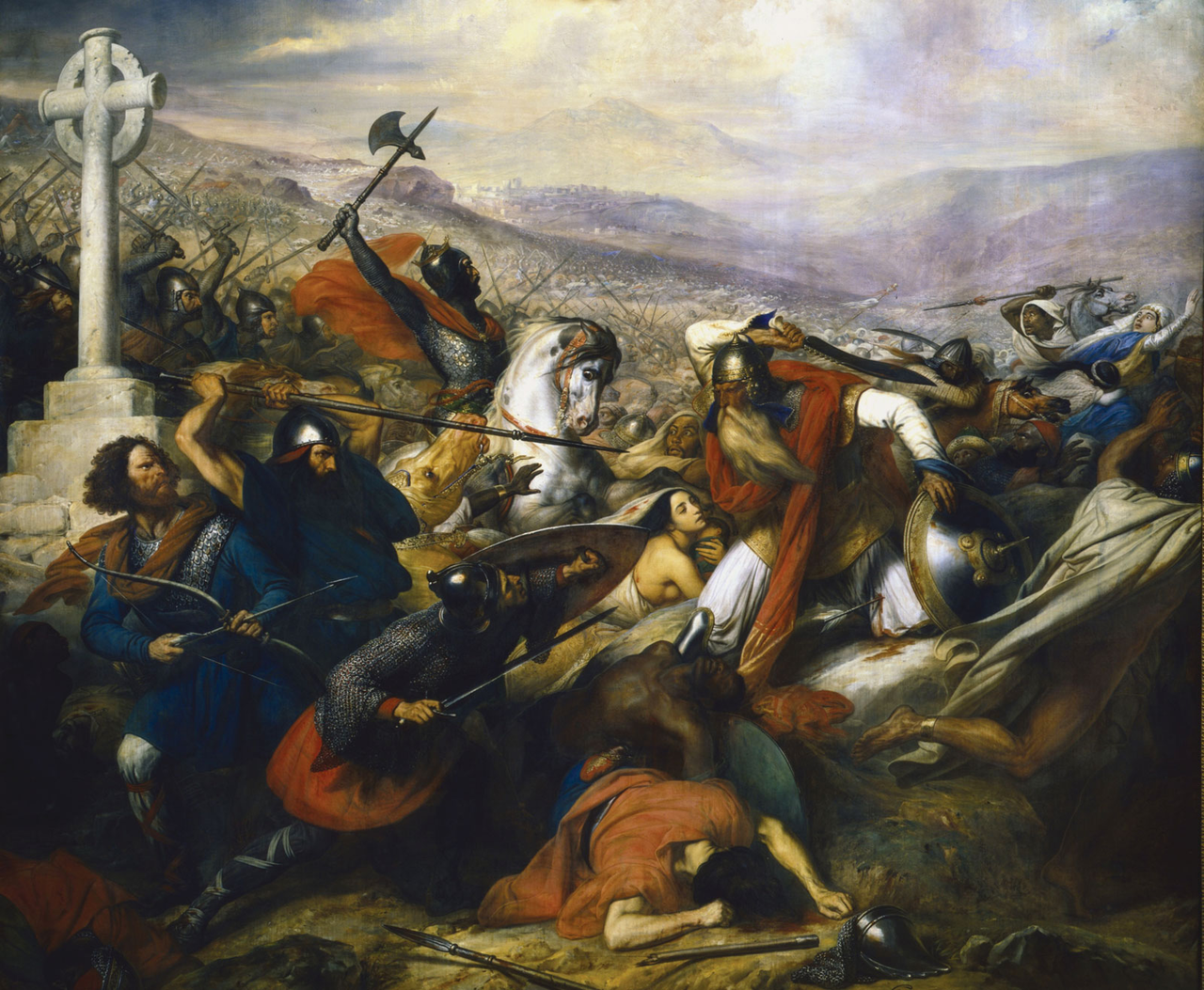
On a cold October day in the valley between Poitiers and Tours, western France, the sound of horse hooves and the clanging of swords shook the continent of Europe. Here, on October 10, 732 AD, two great powers of the time clashed: the newly rising Frankish Kingdom under Charles Martel, and the Umayyad Caliphate expanding its influence from Central Asia to the Pyrenees. For modern Western historians, this event is often referred to as the turning point that saved Christian Europe from the 'Islamic threat'. However, in the folds of Islamic history, this battle is remembered with a meaningful name:
Balat al-Syuhada — The Road of the Martyrs.
Why Is It Called Balat al-Syuhada’?
The term 'Balat al-Syuhada' comes from Arabic: 'Balat' means a road or passage, while 'Syuhada' refers to those who were martyred on the path of Allah. This name is not just a geographical label, but a spiritual recognition. In the view of Muslims at that time, those who fell in this battle were not considered defeated, but rather martyrs — dying in defense of their religion and spreading the call for truth. Islamic tradition records that thousands of Muslim warriors fell on this field, and their blood soaked the soil of France as a witness to faith and sacrifice.
Before the Battle: The Advance of Islam into Gallia
Since 711, the Muslim army under the general Tariq bin Ziyad crossed the Strait of Gibraltar and conquered the Visigothic kingdom in Hispania. Within a few decades, almost the entire Iberian Peninsula became part of the Islamic territory known as Al-Andalus. The Islamic rule there was not only brilliant in science and culture, but also had a disciplined and strategic military force.
In 732, the Governor of Al-Andalus, Abdul Rahman al-Ghafiqi, led an expedition north across the Pyrenees. His goal was not just to plunder, but to open the way for da'wah and strengthen the Islamic borders in Gallia (modern-day France). He was a wise and brave leader, known for his justice in governing the region. According to Islamic sources, his army consisted of various groups: Arabs, Berbers, and even local converts. They were all united under the banner of tawhid.
The Moment of Confrontation: Strategy and Bravery
After conquering cities such as Bordeaux and Poitiers, the Muslim army advanced towards Tours, a wealthy Frankish religious center. There they were confronted by Charles Martel, the renowned Frankish leader known for his courage and tactical intelligence. Martel gathered a heavy infantry force, mostly composed of armed peasants with axes and swords — without heavy cavalry like the Muslim army.
The battle was fierce. The Muslim army, known for its light cavalry and mounted archers, launched repeated attacks. However, the tight Frankish formation and their large shields made movement difficult. According to accounts, Abdul Rahman al-Ghafiqi himself went onto the battlefield to lead the front line. He was martyred while trying to break through the enemy lines. The loss of the main commander caused confusion, and the Muslim army had to retreat in an orderly manner to the south.
The Meaning of Victory and Defeat in Islamic History
In the narrative of modern Western history, the defeat at Tours is often seen as the end of the 'Islamic threat' to Europe. However, from an Islamic perspective, this battle was not a shameful defeat. Instead, it was an episode of heroism where a small group of warriors faced a larger force with extraordinary courage. The martyr spirit shown by Abdul Rahman al-Ghafiqi and thousands of his followers continues to inspire future generations.
Moreover, this defeat did not affect the position of Islam in Al-Andalus. On the contrary, it became a strategic lesson: Islamic rulers later became more cautious in planning expeditions to the north. The Islamic civilization in Spain continued to develop rapidly for nearly eight more centuries, producing figures such as Ibn Rushd, al-Zahrawi, and Ibn Hazm. Thus, although the field of Tours was not captured, the seeds of Islam remained fertile on European soil.
Eternal Legacy
Today, the name 'Balat al-Syuhada' is still mentioned in Islamic history books as a symbol of sacrifice and perseverance. In France, the location of the battle remains a mystery, but the spirit of the martyrs never fades. For us modern Muslims, this event reminds us that true victory is not merely on the battlefield, but in defending principles and faith even when suffering worldly losses.
The Battle of Tours teaches us that history is not a black-and-white record of winning and losing. It is a collection of human stories fighting for what they believe. And in this struggle, every martyr leaves a lasting mark — not on the land they seized, but in the hearts of generations who continue to remember them.
---
Rujukan: Battle of Tours — Wikipedia
Balat al-Syuhada’ (Battle of Tours): When France Became a Field of Martyrs. The Battle of Tours on October 10, 732, was a major confrontation between the Muslim army led by the Governor of Al-Andalus, Abdul Rahman al-Ghafiqi, and the Frankish and Aquitaine forces led by Charles Martel. Although defeated on the battlefield, Islamic tradition immortalized it as 'Balat al-Syuhada' or 'The Road of the Martyrs'. This article examines the event from a positive Islamic historical perspective, highlighting the bravery, discipline, and jihad spirit of the Muslim army, as well as its geopolitical impact on the spread of Islam in Western Europe.. Introduction: The Battle That Changed the Map of Europe
On a cold October day in the valley between Poitiers and Tours, western France, the sound of horse hooves and the clanging of swords shook the continent of Europe. Here, on October 10, 732 AD, two great powers of the time clashed: the newly rising Frankish Kingdom under Charles Martel, and the Umayyad Caliphate expanding its influence from Central Asia to the Pyrenees. For modern Western historians, this event is often referred to as the turning point that saved Christian Europe from the 'Islamic threat'. However, in the folds of Islamic history, this battle is remembered with a meaningful name: Balat al-Syuhada — The Road of the Martyrs.
Why Is It Called Balat al-Syuhada’?
The term 'Balat al-Syuhada' comes from Arabic: 'Balat' means a road or passage, while 'Syuhada' refers to those who were martyred on the path of Allah. This name is not just a geographical label, but a spiritual recognition. In the view of Muslims at that time, those who fell in this battle were not considered defeated, but rather martyrs — dying in defense of their religion and spreading the call for truth. Islamic tradition records that thousands of Muslim warriors fell on this field, and their blood soaked the soil of France as a witness to faith and sacrifice.
Before the Battle: The Advance of Islam into Gallia
Since 711, the Muslim army under the general Tariq bin Ziyad crossed the Strait of Gibraltar and conquered the Visigothic kingdom in Hispania. Within a few decades, almost the entire Iberian Peninsula became part of the Islamic territory known as Al-Andalus. The Islamic rule there was not only brilliant in science and culture, but also had a disciplined and strategic military force.
In 732, the Governor of Al-Andalus, Abdul Rahman al-Ghafiqi, led an expedition north across the Pyrenees. His goal was not just to plunder, but to open the way for da'wah and strengthen the Islamic borders in Gallia modern-day France . He was a wise and brave leader, known for his justice in governing the region. According to Islamic sources, his army consisted of various groups: Arabs, Berbers, and even local converts. They were all united under the banner of tawhid.
The Moment of Confrontation: Strategy and Bravery
After conquering cities such as Bordeaux and Poitiers, the Muslim army advanced towards Tours, a wealthy Frankish religious center. There they were confronted by Charles Martel, the renowned Frankish leader known for his courage and tactical intelligence. Martel gathered a heavy infantry force, mostly composed of armed peasants with axes and swords — without heavy cavalry like the Muslim army.
The battle was fierce. The Muslim army, known for its light cavalry and mounted archers, launched repeated attacks. However, the tight Frankish formation and their large shields made movement difficult. According to accounts, Abdul Rahman al-Ghafiqi himself went onto the battlefield to lead the front line. He was martyred while trying to break through the enemy lines. The loss of the main commander caused confusion, and the Muslim army had to retreat in an orderly manner to the south.
The Meaning of Victory and Defeat in Islamic History
In the narrative of modern Western history, the defeat at Tours is often seen as the end of the 'Islamic threat' to Europe. However, from an Islamic perspective, this battle was not a shameful defeat. Instead, it was an episode of heroism where a small group of warriors faced a larger force with extraordinary courage. The martyr spirit shown by Abdul Rahman al-Ghafiqi and thousands of his followers continues to inspire future generations.
Moreover, this defeat did not affect the position of Islam in Al-Andalus. On the contrary, it became a strategic lesson: Islamic rulers later became more cautious in planning expeditions to the north. The Islamic civilization in Spain continued to develop rapidly for nearly eight more centuries, producing figures such as Ibn Rushd, al-Zahrawi, and Ibn Hazm. Thus, although the field of Tours was not captured, the seeds of Islam remained fertile on European soil.
Eternal Legacy
Today, the name 'Balat al-Syuhada' is still mentioned in Islamic history books as a symbol of sacrifice and perseverance. In France, the location of the battle remains a mystery, but the spirit of the martyrs never fades. For us modern Muslims, this event reminds us that true victory is not merely on the battlefield, but in defending principles and faith even when suffering worldly losses.
The Battle of Tours teaches us that history is not a black-and-white record of winning and losing. It is a collection of human stories fighting for what they believe. And in this struggle, every martyr leaves a lasting mark — not on the land they seized, but in the hearts of generations who continue to remember them.
---
Rujukan: Battle of Tours — Wikipedia https://en.wikipedia.org/wiki/Battle of Tours