The Era of Plank Roads: When Wood Became Gold
Imagine a country rising from economic slumber. In the 1840s, the United States was still young, with roads mostly made of mud or gravel that were poorly maintained. Transportation of goods and people relied on rivers, canals, and slow-moving horse-drawn carriages. Then, an idea emerged—a road made of wooden planks. It sounded primitive, but it was a revolution.
Between 1844 and the mid-1850s, the United States experienced what is now known as the Plank Road Boom or the Plank Road Explosion. In just ten years, over 3,500 miles (5,600 kilometers) of plank roads were built in the state of New York alone—enough to connect Manhattan to California. Across the country, the total exceeded 10,000 miles (16,000 kilometers). For context, the distance from New York to San Francisco was approximately 2,800 miles. So, the plank roads in New York alone were enough to go and back to the West Coast.
The Science Behind Wood: Why Plank Roads Worked
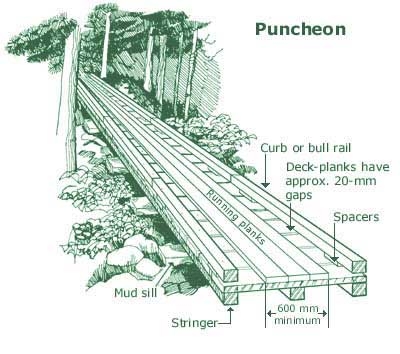
Scientifically, plank roads were a clever solution to the problem of soft and wet terrain. Wood, especially species like white pine or oak rich in resin, has a natural resistance to moisture and pressure. When planks were placed on the ground, they distributed the weight of vehicles—wagons, horse-drawn carriages, and later, stagecoaches—to a wider area. This prevented wheels from sinking into the mud, a major problem with traditional roads.
More importantly, plank roads allowed for faster movement. Contemporary studies showed that wagons could move two to three times faster on plank roads than on dirt roads. It was like upgrading from a village path to a modern highway—but made of wood. This advantage reduced transportation costs by 30-50 percent for goods like grain, cotton, and coal.
Economics and Success: Why Everyone Wanted Plank Roads
This explosion was not a random event. It was driven by strong economic factors. In the 1840s, the United States experienced rapid population growth, especially in rural areas. Farmers and miners needed to transport their goods to market quickly and cheaply. Plank roads answered that need.
In addition, the cost of building plank roads was lower than building stone roads or railroads. A single plank road could be built for $1,000 to $1,500 per mile (approximately $30,000 to $45,000 in today's value). Compare that to the cost of a railroad, which could reach $30,000 per mile. With small investments, private companies and local governments competed to build plank roads, charging tolls for profit. New York, with its network of rivers and dense cities, became the center of this explosion.
The Quick Collapse: Why Plank Roads Disappeared in a Decade
The plank road boom ended as quickly as it began. The main reason was durability—or the lack of it. The wood used, even treated, lasted only between four to eight years. Rain, snow, and heavy loads caused the planks to rot, warp, and break. Frequent maintenance was required, but the cost was high, and many toll companies failed to generate sufficient profits.
More importantly, railroads began to dominate transportation in the mid-1850s. Steam locomotives offered higher speeds (20-30 miles per hour compared to 5-10 miles per hour for wagons on plank roads) and greater cargo capacity. Additionally, railroads were not affected by bad weather like wooden roads. Within ten years, most plank roads were abandoned, replaced with gravel roads, or entirely replaced by railroads.
The Forgotten Legacy: What We Can Learn
Although this phenomenon lasted only a decade, its impact remains. Plank roads opened up previously isolated areas, speeding up trade and migration. They also served as a model for public infrastructure projects funded by tolls and private investment—a concept still used today in the form of toll highways.
From a scientific perspective, the Plank Road Boom taught us about the balance between innovation and durability. Wood was a cheap and easily available material, but its lifespan was short. Today, we use concrete and asphalt, but the same challenge exists: how to build durable, affordable, and environmentally friendly infrastructure? The answer might lie in new materials like recycled polymers or modified wood—technologies inspired by the successes and failures of 19th-century plank roads.
So, the next time you drive on a modern highway, remember that its foundation began with simple wooden planks. It is a reminder that sometimes, the most straightforward idea can spark a revolution—albeit one that lasted only a season.
From Wood to Gold: How the 10,000-Mile Plank Road Revolutionized America in a Decade. Between 1844 and the mid-1850s, the United States experienced a plank road boom—over 10,000 miles of wooden roads were built, enough to encircle the Earth multiple times. What drove this explosion? Why did it collapse as quickly as it rose? Discover the secrets behind the almost-forgotten phenomenon.. The Era of Plank Roads: When Wood Became Gold
Imagine a country rising from economic slumber. In the 1840s, the United States was still young, with roads mostly made of mud or gravel that were poorly maintained. Transportation of goods and people relied on rivers, canals, and slow-moving horse-drawn carriages. Then, an idea emerged—a road made of wooden planks. It sounded primitive, but it was a revolution.
Between 1844 and the mid-1850s, the United States experienced what is now known as the Plank Road Boom or the Plank Road Explosion. In just ten years, over 3,500 miles 5,600 kilometers of plank roads were built in the state of New York alone—enough to connect Manhattan to California. Across the country, the total exceeded 10,000 miles 16,000 kilometers . For context, the distance from New York to San Francisco was approximately 2,800 miles. So, the plank roads in New York alone were enough to go and back to the West Coast.
The Science Behind Wood: Why Plank Roads Worked
Scientifically, plank roads were a clever solution to the problem of soft and wet terrain. Wood, especially species like white pine or oak rich in resin, has a natural resistance to moisture and pressure. When planks were placed on the ground, they distributed the weight of vehicles—wagons, horse-drawn carriages, and later, stagecoaches—to a wider area. This prevented wheels from sinking into the mud, a major problem with traditional roads.
More importantly, plank roads allowed for faster movement. Contemporary studies showed that wagons could move two to three times faster on plank roads than on dirt roads. It was like upgrading from a village path to a modern highway—but made of wood. This advantage reduced transportation costs by 30-50 percent for goods like grain, cotton, and coal.
Economics and Success: Why Everyone Wanted Plank Roads
This explosion was not a random event. It was driven by strong economic factors. In the 1840s, the United States experienced rapid population growth, especially in rural areas. Farmers and miners needed to transport their goods to market quickly and cheaply. Plank roads answered that need.
In addition, the cost of building plank roads was lower than building stone roads or railroads. A single plank road could be built for $1,000 to $1,500 per mile approximately $30,000 to $45,000 in today's value . Compare that to the cost of a railroad, which could reach $30,000 per mile. With small investments, private companies and local governments competed to build plank roads, charging tolls for profit. New York, with its network of rivers and dense cities, became the center of this explosion.
The Quick Collapse: Why Plank Roads Disappeared in a Decade
The plank road boom ended as quickly as it began. The main reason was durability—or the lack of it. The wood used, even treated, lasted only between four to eight years. Rain, snow, and heavy loads caused the planks to rot, warp, and break. Frequent maintenance was required, but the cost was high, and many toll companies failed to generate sufficient profits.
More importantly, railroads began to dominate transportation in the mid-1850s. Steam locomotives offered higher speeds 20-30 miles per hour compared to 5-10 miles per hour for wagons on plank roads and greater cargo capacity. Additionally, railroads were not affected by bad weather like wooden roads. Within ten years, most plank roads were abandoned, replaced with gravel roads, or entirely replaced by railroads.
The Forgotten Legacy: What We Can Learn
Although this phenomenon lasted only a decade, its impact remains. Plank roads opened up previously isolated areas, speeding up trade and migration. They also served as a model for public infrastructure projects funded by tolls and private investment—a concept still used today in the form of toll highways.
From a scientific perspective, the Plank Road Boom taught us about the balance between innovation and durability. Wood was a cheap and easily available material, but its lifespan was short. Today, we use concrete and asphalt, but the same challenge exists: how to build durable, affordable, and environmentally friendly infrastructure? The answer might lie in new materials like recycled polymers or modified wood—technologies inspired by the successes and failures of 19th-century plank roads.
So, the next time you drive on a modern highway, remember that its foundation began with simple wooden planks. It is a reminder that sometimes, the most straightforward idea can spark a revolution—albeit one that lasted only a season.