Dengue fever (DBD) is dangerous for children — not only because of its severity, but also because its symptoms are often mistaken for common flu. CNN Indonesia reports: sudden high fever, nosebleeds, sharp joint pain, and pale skin are not normal signs. Early detection can prevent dengue shock. This disease is transmitted by the *Aedes aegypti* mosquito — so prevention starts at home: mosquito nets, clean water storage, and covered clothing.
Why Is Dengue Fever Dangerous for Children?
Dengue fever (DBD) is not just a regular fever. It is caused by the dengue virus that enters through the bite of the *Aedes aegypti* mosquito. In children, the immune system is not yet mature — the risk of progressing to a critical stage such as plasma leakage or dengue shock is higher. The early symptoms are often subtle. However, if missed within 48 hours after the fever subsides, the danger increases drastically.
7 Dengue Signs That Parents Must Recognize
Sudden fever above 39°C for 2–7 days
Unlike regular fever, the temperature rises quickly and does not consistently respond to paracetamol. It is accompanied by severe headaches on the forehead and behind the eyes.
Nosebleeds without clear cause
Blood flows from the nose even though there has been no impact or scratching. This is an early sign of capillary damage — not a mild symptom.
Muscle and joint pain like broken bones
The child resists being held, has difficulty walking, or holds the knees and shoulders. The medical term is *breakbone fever* — fever that makes the bones feel crushed.
Recurrent vomiting and refusal to drink
Not just nausea. Vomiting occurs 3–5 times a day, accompanied by a dry tongue and dark urine — a sign of dehydration beginning to threaten.
Red spots on the skin that do not fade when pressed
Not a regular rash. Press with a glass — the spot remains red. This is petechiae: subcutaneous bleeding due to a drop in platelets.
Sudden weakness and excessive fatigue
The child sleeps more than 16 hours a day, is unresponsive when called, or cries weakly. This is not ordinary tiredness — it could be an early sign of organ failure.
Pale, cold, and damp skin
Especially on the fingertips, palms, and lips. This combination indicates circulatory problems — a red alert to immediately go to a health facility.
Truly Effective Prevention
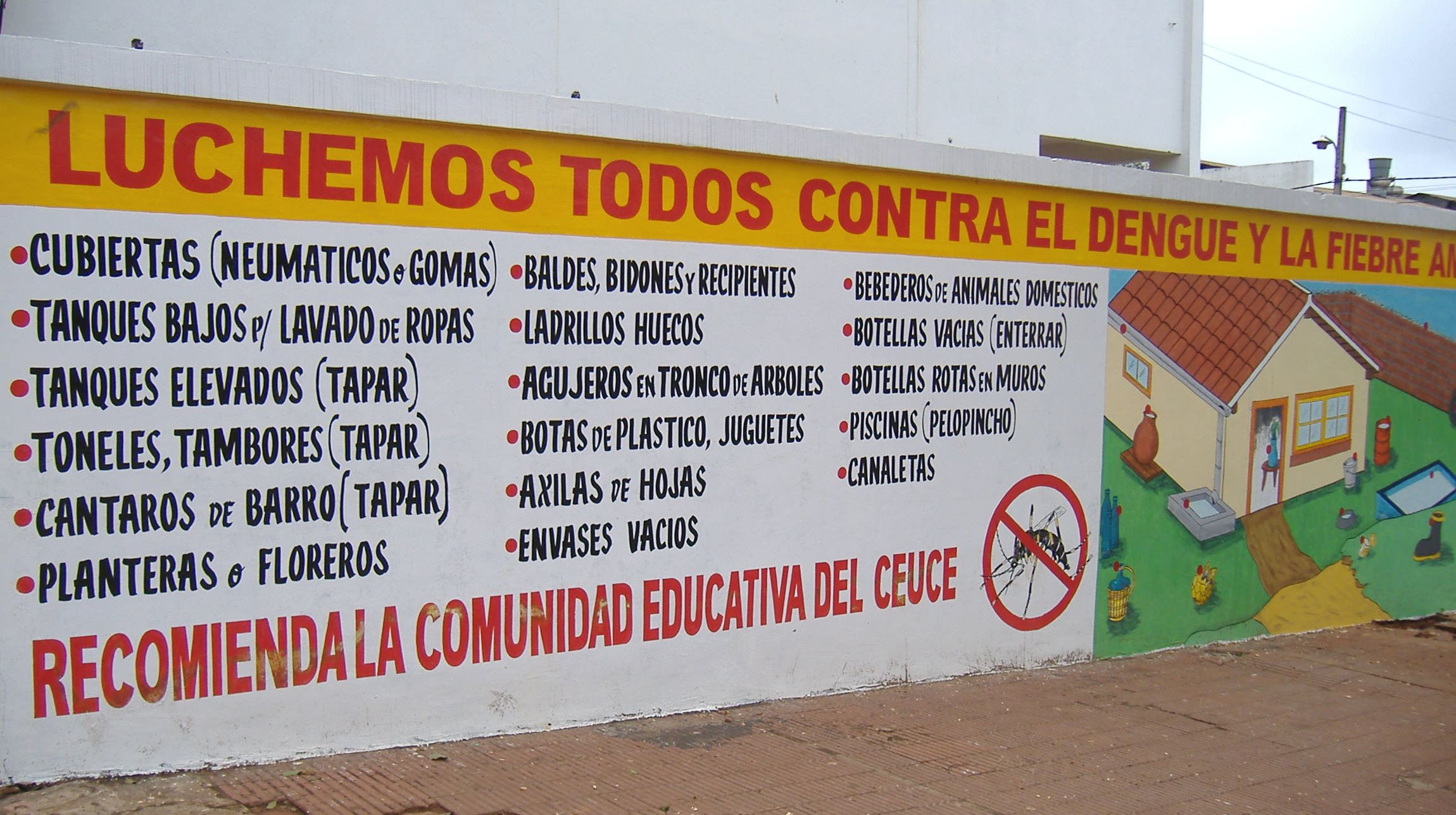
- Cover all water storage areas: buckets, drums, gutters, even bottle caps. Mosquitoes lay eggs in clean water — not in dirty puddles.
- Install a mosquito net every night, even during the day if the child naps in a dark room — *Aedes* mosquitoes are active all day.
- Wear long-sleeved shirts and long pants when playing in the yard or garden. Mosquitoes bite exposed skin — not just at night.
- Do not rely solely on spray insecticides: their effect is temporary. Combine with natural larvicide like abate in the bathtub or betta fish in ornamental ponds.
- Check the environment every 3 days: mosquito eggs hatch in 48–72 hours. Weekly cleaning is already too late.
When to Immediately Go to the Doctor
Take the child to a health center or hospital if:
- The fever has gone down but the child becomes increasingly lethargic,
- There is vomiting blood or black stools,
- Urination has significantly decreased in the last 6 hours,
- Pulse is fast and weak, or breathing is labored.
Early detection is not about luck — it's about the habit of carefully observing the child's body.