Diversity of Dolphin Species: More Than Just Marine Mammals
Dolphins, or in Malay "ikan lumba-lumba," are one of the most fascinating groups of marine mammals that have captured human interest. There are more than 40 existing dolphin species, and they belong to several different families within the suborder Odontoceti, which includes toothed whales. The main families include Delphinidae (oceanic dolphins), Platanistidae (Indian river dolphins), Iniidae (New World river dolphins), Pontoporiidae (brackish water dolphins), and Lipotidae, which may be extinct, the baiji or Chinese river dolphin. This group is also closely related to belugas, narwhals, and porpoises, and somewhat distantly related to sperm whales and beaked whales.
Each family has unique characteristics. Oceanic dolphins, for example, live in open waters and are highly social, while river dolphins live in muddy rivers and have poor vision but sharp echolocation. This diversity shows how adaptable dolphins are to different environments, from deep seas to river mouths.
Size and Shape: From the Small Maui Dolphin to the Giant Orca
One of the most astonishing aspects about dolphins is their wide range of sizes. The smallest species, the Maui dolphin, is only 1.7 meters long and weighs 50 kilograms—almost the same size as an adult human. In contrast, the largest species, the orca or killer whale, can reach up to 9.5 meters in length and weigh up to 10 tons, making it a top predator in the ocean. Orcas are actually a type of dolphin, although they are often mistakenly considered whales.
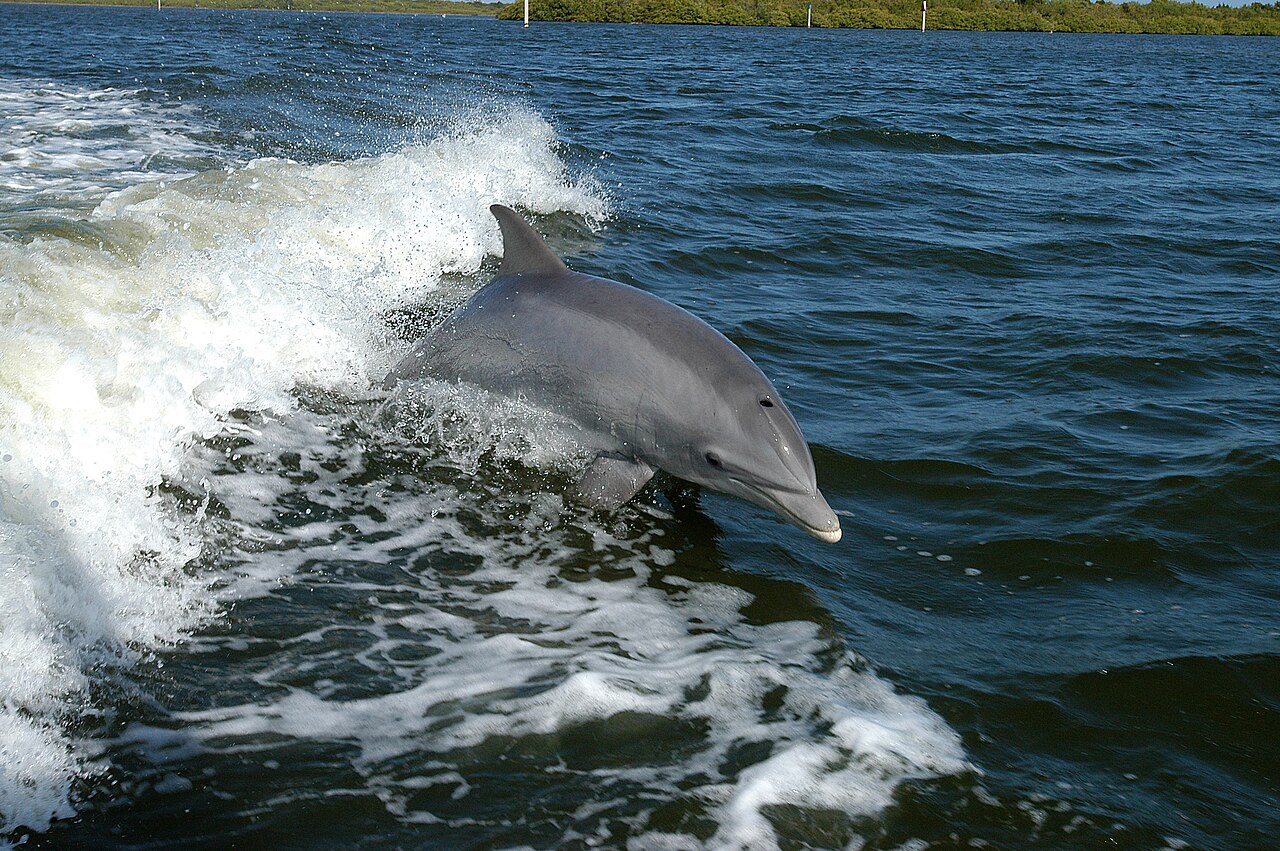
The body shape of dolphins is well-suited for aquatic life. They have streamlined bodies like fish, with two front flippers evolved into flippers, no hind legs (only vestigial pelvic structures remain), and a tail that forms a horizontal fluke for efficient vertical movement. Although not as flexible as semi-aquatic seals, dolphins can swim at high speeds and leap into the air, a behavior often seen in marine theme parks. Additionally, dolphins show sexual dimorphism, where males are usually larger than females, especially in species that compete for mates.
Echolocation: The Natural Radar of Dolphins
One of the most advanced abilities of dolphins is echolocation, the ability to use sound to detect objects around them. Dolphins produce high-frequency clicks through an organ called the melon on their forehead. These sounds travel through water, reflect off objects, and return as echoes that are captured by the lower jaw of the dolphin, which then sends signals to the brain for interpretation. This process allows dolphins to 'see' their surroundings even in murky or dark water, creating detailed three-dimensional images of prey, predators, and obstacles.
This ability is crucial for river dolphins that live in muddy waters with almost zero visibility. For example, Ganges river dolphins use echolocation to navigate and hunt fish in turbid rivers. Echolocation also enables dolphins to communicate with each other using complex click and whistle codes, making them among the smartest animals in the ocean.
Social Structure and Communication: The Complex Society of Dolphins
Dolphins are highly social animals that live in groups known as pods. Pod sizes can vary from a few individuals to hundreds, depending on the species and food sources. Within a pod, there is a complex social hierarchy, with dominant individuals leading the group and controlling access to resources. Dolphins are known for altruistic behaviors, such as helping injured or sick pod members, and often cooperate during hunting, for example, by surrounding fish in tight groups to make them easier to catch.
Dolphin communication is diverse and sophisticated. They use various sounds such as clicks, whistles, and grunts to convey information about location, emotional state, and identity. Each dolphin has a unique signature whistle that functions like a name, allowing them to call specific individuals. In addition, dolphins use body language such as leaping, touching, and fin movements to interact. Research shows that dolphins can recognize themselves in mirrors, a sign of self-awareness that is found in only a few animals such as primates and elephants.
Threats and Conservation: Challenges Facing Dolphins in Modern Oceans
Although dolphins are highly adaptable marine mammals, they face various threats due to human activities. Marine pollution, such as oil spills and plastic, can harm dolphin health. Noise from ships, military sonar, and underwater construction disrupts their echolocation, causing confusion and sometimes stranding on beaches. Bycatch in fishing nets is also a major cause of dolphin deaths, as they cannot avoid the invisible nets.
Some dolphin species are in threatened status. The baiji or Chinese river dolphin was declared functionally extinct in 2006 due to industrial pollution, dam construction, and boat collisions. Other species such as the Maui dolphin and Hector's dolphin in New Zealand are also highly endangered with small populations. Conservation efforts include establishing marine protected areas, enforcing fisheries regulations, and recovery programs for affected species. In Malaysia, for example, Irrawaddy dolphins in the waters of Sabah and Sarawak are protected under the Fisheries Act, although threats still exist.
Reflection: What Can We Learn from Dolphins?
Dolphins are not only fascinating from a biological perspective but also teach us about the importance of cooperation, communication, and adaptation. Their ability to live in harmonious and supportive groups is an example we can reflect on in human society. However, their survival depends on our actions. The question we need to ask ourselves is: Are we doing enough to protect the oceans and the life within them? Every small step, such as reducing plastic use, supporting sustainable fishing, and educating others about the importance of conservation, can make a difference.
By understanding dolphins more deeply, we not only appreciate the wonders of nature but also realize our responsibility as stewards of this planet. May future generations still be able to see dolphins leaping in clean and safe oceans.
---
This article was written based on information from Wikipedia and other scientific sources for educational purposes.
---
References: Dolphin — Wikipedia
Dolphin: The Intelligent Marine Mammal Full of Uniqueness and Diversity. Dolphin or dolphin fish are intelligent, social marine mammals with more than 40 species living in various habitats. This article explores the diversity of size and shape, echolocation abilities, complex social structures, and the threats faced by these species. With an educational and engaging writing style, readers are invited to appreciate the uniqueness of dolphins and the importance of their conservation.. Diversity of Dolphin Species: More Than Just Marine Mammals
Dolphins, or in Malay "ikan lumba-lumba," are one of the most fascinating groups of marine mammals that have captured human interest. There are more than 40 existing dolphin species, and they belong to several different families within the suborder Odontoceti, which includes toothed whales. The main families include Delphinidae oceanic dolphins , Platanistidae Indian river dolphins , Iniidae New World river dolphins , Pontoporiidae brackish water dolphins , and Lipotidae, which may be extinct, the baiji or Chinese river dolphin. This group is also closely related to belugas, narwhals, and porpoises, and somewhat distantly related to sperm whales and beaked whales.
Each family has unique characteristics. Oceanic dolphins, for example, live in open waters and are highly social, while river dolphins live in muddy rivers and have poor vision but sharp echolocation. This diversity shows how adaptable dolphins are to different environments, from deep seas to river mouths.
Size and Shape: From the Small Maui Dolphin to the Giant Orca
One of the most astonishing aspects about dolphins is their wide range of sizes. The smallest species, the Maui dolphin, is only 1.7 meters long and weighs 50 kilograms—almost the same size as an adult human. In contrast, the largest species, the orca or killer whale, can reach up to 9.5 meters in length and weigh up to 10 tons, making it a top predator in the ocean. Orcas are actually a type of dolphin, although they are often mistakenly considered whales.
The body shape of dolphins is well-suited for aquatic life. They have streamlined bodies like fish, with two front flippers evolved into flippers, no hind legs only vestigial pelvic structures remain , and a tail that forms a horizontal fluke for efficient vertical movement. Although not as flexible as semi-aquatic seals, dolphins can swim at high speeds and leap into the air, a behavior often seen in marine theme parks. Additionally, dolphins show sexual dimorphism, where males are usually larger than females, especially in species that compete for mates.
Echolocation: The Natural Radar of Dolphins
One of the most advanced abilities of dolphins is echolocation, the ability to use sound to detect objects around them. Dolphins produce high-frequency clicks through an organ called the melon on their forehead. These sounds travel through water, reflect off objects, and return as echoes that are captured by the lower jaw of the dolphin, which then sends signals to the brain for interpretation. This process allows dolphins to 'see' their surroundings even in murky or dark water, creating detailed three-dimensional images of prey, predators, and obstacles.
This ability is crucial for river dolphins that live in muddy waters with almost zero visibility. For example, Ganges river dolphins use echolocation to navigate and hunt fish in turbid rivers. Echolocation also enables dolphins to communicate with each other using complex click and whistle codes, making them among the smartest animals in the ocean.
Social Structure and Communication: The Complex Society of Dolphins
Dolphins are highly social animals that live in groups known as pods. Pod sizes can vary from a few individuals to hundreds, depending on the species and food sources. Within a pod, there is a complex social hierarchy, with dominant individuals leading the group and controlling access to resources. Dolphins are known for altruistic behaviors, such as helping injured or sick pod members, and often cooperate during hunting, for example, by surrounding fish in tight groups to make them easier to catch.
Dolphin communication is diverse and sophisticated. They use various sounds such as clicks, whistles, and grunts to convey information about location, emotional state, and identity. Each dolphin has a unique signature whistle that functions like a name, allowing them to call specific individuals. In addition, dolphins use body language such as leaping, touching, and fin movements to interact. Research shows that dolphins can recognize themselves in mirrors, a sign of self-awareness that is found in only a few animals such as primates and elephants.
Threats and Conservation: Challenges Facing Dolphins in Modern Oceans
Although dolphins are highly adaptable marine mammals, they face various threats due to human activities. Marine pollution, such as oil spills and plastic, can harm dolphin health. Noise from ships, military sonar, and underwater construction disrupts their echolocation, causing confusion and sometimes stranding on beaches. Bycatch in fishing nets is also a major cause of dolphin deaths, as they cannot avoid the invisible nets.
Some dolphin species are in threatened status. The baiji or Chinese river dolphin was declared functionally extinct in 2006 due to industrial pollution, dam construction, and boat collisions. Other species such as the Maui dolphin and Hector's dolphin in New Zealand are also highly endangered with small populations. Conservation efforts include establishing marine protected areas, enforcing fisheries regulations, and recovery programs for affected species. In Malaysia, for example, Irrawaddy dolphins in the waters of Sabah and Sarawak are protected under the Fisheries Act, although threats still exist.
Reflection: What Can We Learn from Dolphins?
Dolphins are not only fascinating from a biological perspective but also teach us about the importance of cooperation, communication, and adaptation. Their ability to live in harmonious and supportive groups is an example we can reflect on in human society. However, their survival depends on our actions. The question we need to ask ourselves is: Are we doing enough to protect the oceans and the life within them? Every small step, such as reducing plastic use, supporting sustainable fishing, and educating others about the importance of conservation, can make a difference.
By understanding dolphins more deeply, we not only appreciate the wonders of nature but also realize our responsibility as stewards of this planet. May future generations still be able to see dolphins leaping in clean and safe oceans.
---
This article was written based on information from Wikipedia and other scientific sources for educational purposes.
---
References: Dolphin — Wikipedia https://en.wikipedia.org/wiki/Dolphin