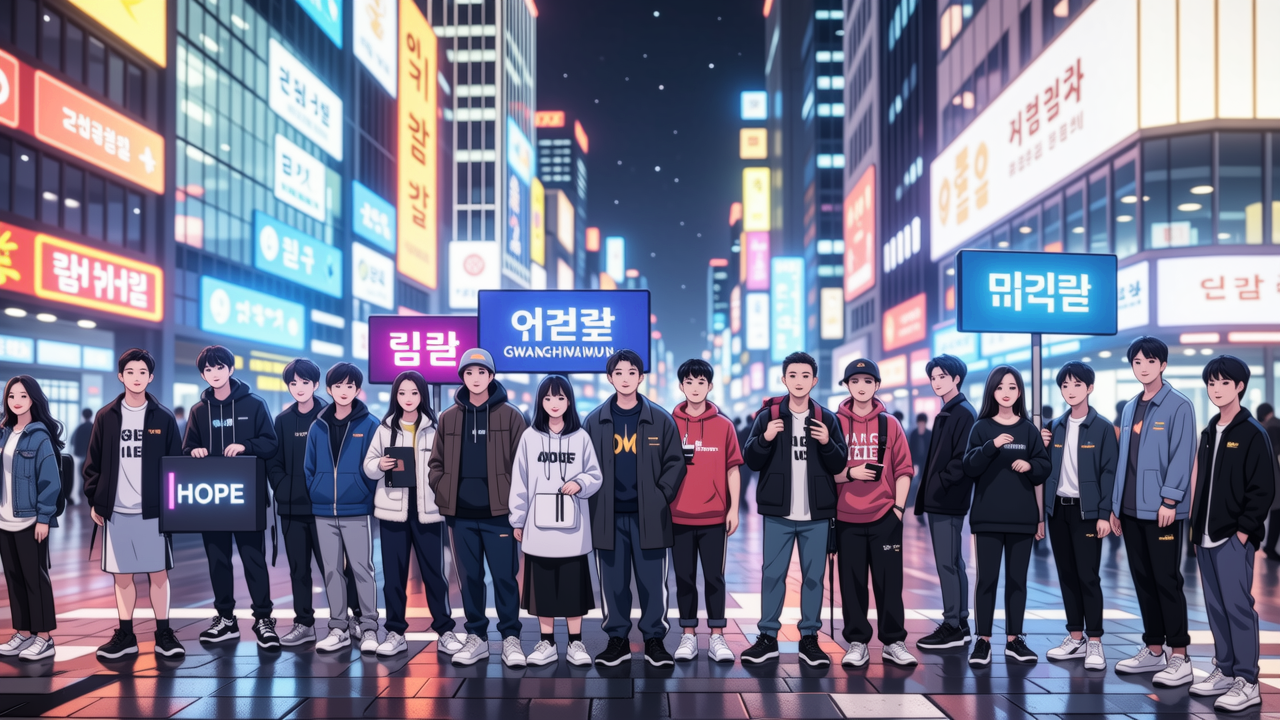
The local political arena in South Korea is currently undergoing an unprecedented paradigm shift, fully driven by the awakening of the youth voting power. For decades, the election stage has been dominated by traditional issues such as cross-border relations with the North and conservative macroeconomic policies, while the voices of the youth seemed sidelined. However, the campaign patterns have changed today, as millennials and Gen Z - a demographic group that often complains about difficult living conditions - begin to mobilize their political awareness into the ballot box in a much more aggressive and organized manner.
The main factors driving this involvement are very evident, namely the increasingly apparent structural inequalities. A fragile labor market caused by extreme competition and a surge in property prices in the capital region and Gyeonggi have led millions of young people to lose hope in achieving personal financial success. Now, they are no longer just complaining in online forums; they are collectively demanding leadership in various regions to present comprehensive plans to stabilize rental housing, expand affordable housing, and create a work environment free from long and unproductive exploitation.
Politicians from mainstream parties, regardless of whether they are from progressive or conservative wings, are now actively revising their manifestos to win the sympathy of this important voter group. Campaigns that were once formal on public squares now focus heavily on daily social media approaches, live streaming broadcasts, and short content on video-sharing platforms. Political leaders are beginning to use current pop culture language and trends to dispel the elitist image surrounding them. This situation not only democratizes the spread of information but also forces urban policy solutions to be more transparent, inclusive, and people-friendly overall.
However, analysts predict that this youth support is highly dynamic and easily swayed if promises are left unfulfilled. They are known as smart voters who do not have any strong party loyalty. Therefore, this local election will be a decisive moment for the stability of the career of any public figure aspiring to control the parliament in the long term. If the demands and aspirations of the youth community are not met after the campaign ends, South Korea may face social instability quietly. In short, young voters are the golden key to the future of modern political power on the Korean Peninsula.
Youth Voting Wave: South Korean Local Elections Will Become a Field for Youth Revival. South Korean youth, who often feel marginalized, are now rising to showcase their voting power, demanding reforms in the job market and reasonable housing solutions.. The local political arena in South Korea is currently undergoing an unprecedented paradigm shift, fully driven by the awakening of the youth voting power. For decades, the election stage has been dominated by traditional issues such as cross-border relations with the North and conservative macroeconomic policies, while the voices of the youth seemed sidelined. However, the campaign patterns have changed today, as millennials and Gen Z - a demographic group that often complains about difficult living conditions - begin to mobilize their political awareness into the ballot box in a much more aggressive and organized manner.
The main factors driving this involvement are very evident, namely the increasingly apparent structural inequalities. A fragile labor market caused by extreme competition and a surge in property prices in the capital region and Gyeonggi have led millions of young people to lose hope in achieving personal financial success. Now, they are no longer just complaining in online forums; they are collectively demanding leadership in various regions to present comprehensive plans to stabilize rental housing, expand affordable housing, and create a work environment free from long and unproductive exploitation.
Politicians from mainstream parties, regardless of whether they are from progressive or conservative wings, are now actively revising their manifestos to win the sympathy of this important voter group. Campaigns that were once formal on public squares now focus heavily on daily social media approaches, live streaming broadcasts, and short content on video-sharing platforms. Political leaders are beginning to use current pop culture language and trends to dispel the elitist image surrounding them. This situation not only democratizes the spread of information but also forces urban policy solutions to be more transparent, inclusive, and people-friendly overall.
However, analysts predict that this youth support is highly dynamic and easily swayed if promises are left unfulfilled. They are known as smart voters who do not have any strong party loyalty. Therefore, this local election will be a decisive moment for the stability of the career of any public figure aspiring to control the parliament in the long term. If the demands and aspirations of the youth community are not met after the campaign ends, South Korea may face social instability quietly. In short, young voters are the golden key to the future of modern political power on the Korean Peninsula.