The Incident of 1971: The Soviet Engineers' Story
In a remote corner of the world, far from the hustle and bustle of modern cities, lies a phenomenon that seems to have originated from ancient myths. This is the Darvaza Gas Crater, also known as the 'Gate of Hell.' Located in the heart of the Karakum Desert, Turkmenistan, this crater is not a portal to the unknown, but a historical testament to the power of the earth that has been mismanaged by humans.
The 1971 Incident: Soviet Engineers' Mistake
The story begins in 1971, when a group of Soviet engineers were conducting drilling operations to search for natural gas deposits in the barren region. Everything was going smoothly until the ground beneath the drilling platform suddenly collapsed. The engineers realized that they had stumbled into a massive underground cave filled with hazardous methane gas.
The collapse created a large and deep crater. To prevent the toxic gas from escaping into the atmosphere and posing a threat to the health of nearby residents and their livestock, a drastic decision was made. The experts at the time believed that the best course of action was to burn off the gas. Their theory was simple: the fire would consume the gas within a few weeks, and the problem would be solved.
The Wrong Calculation and the Eternal Flame
However, nature has a way of proving humans wrong. What was expected to last only a few weeks has now turned into five decades of continuous burning. Since that day, the Darvaza Crater has never gone out. The fire crackles and roars, casting a fierce glow into the sky, and the intense heat is so strong that one can feel it even from the edge of the crater. The acrid smell of sulfur fills the air, reminding us of the geological activity that is taking place beneath our feet.
The Wonder in the Heart of the Karakum Desert
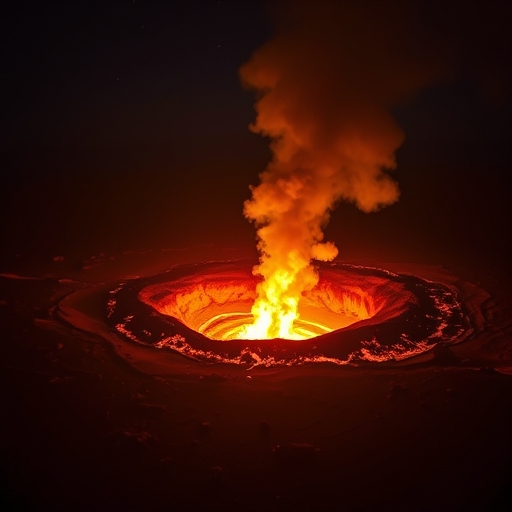
Today, Darvaza is no longer just a burning pit, but a unique and captivating tourist attraction. With a diameter of approximately 69 meters and a depth of 30 meters, it presents a breathtaking sight. At night, the 'Gate of Hell' shines with a true beauty. The darkness of the desert is illuminated by the orange and red flames, creating a dramatic contrast against the black sand surrounding it. Many adventurers dare to traverse the dusty and treacherous path just to witness the wonder of the eternal flame with their own eyes.
Although there were proposals in 2010 by the President of Turkmenistan to close the crater due to its threat to nearby gas drilling operations, the plan has yet to be implemented. The crater remains ablaze, serving as a fiery monument to the power of nature and the hubris of human technology.
The Gate of Hell: The Mysterious Darvaza Gas Crater That Has Been Burning for Half a Century. In the middle of the arid Karakum Desert, Turkmenistan, a massive crater spews out flames that have never gone out. What sparks the 'Gate of Hell' and why does it continue to burn beyond human expectations?. The Incident of 1971: The Soviet Engineers' Story
In a remote corner of the world, far from the hustle and bustle of modern cities, lies a phenomenon that seems to have originated from ancient myths. This is the Darvaza Gas Crater, also known as the 'Gate of Hell.' Located in the heart of the Karakum Desert, Turkmenistan, this crater is not a portal to the unknown, but a historical testament to the power of the earth that has been mismanaged by humans.
The 1971 Incident: Soviet Engineers' Mistake
The story begins in 1971, when a group of Soviet engineers were conducting drilling operations to search for natural gas deposits in the barren region. Everything was going smoothly until the ground beneath the drilling platform suddenly collapsed. The engineers realized that they had stumbled into a massive underground cave filled with hazardous methane gas.
The collapse created a large and deep crater. To prevent the toxic gas from escaping into the atmosphere and posing a threat to the health of nearby residents and their livestock, a drastic decision was made. The experts at the time believed that the best course of action was to burn off the gas. Their theory was simple: the fire would consume the gas within a few weeks, and the problem would be solved.
The Wrong Calculation and the Eternal Flame
However, nature has a way of proving humans wrong. What was expected to last only a few weeks has now turned into five decades of continuous burning. Since that day, the Darvaza Crater has never gone out. The fire crackles and roars, casting a fierce glow into the sky, and the intense heat is so strong that one can feel it even from the edge of the crater. The acrid smell of sulfur fills the air, reminding us of the geological activity that is taking place beneath our feet.
The Wonder in the Heart of the Karakum Desert
Today, Darvaza is no longer just a burning pit, but a unique and captivating tourist attraction. With a diameter of approximately 69 meters and a depth of 30 meters, it presents a breathtaking sight. At night, the 'Gate of Hell' shines with a true beauty. The darkness of the desert is illuminated by the orange and red flames, creating a dramatic contrast against the black sand surrounding it. Many adventurers dare to traverse the dusty and treacherous path just to witness the wonder of the eternal flame with their own eyes.
Although there were proposals in 2010 by the President of Turkmenistan to close the crater due to its threat to nearby gas drilling operations, the plan has yet to be implemented. The crater remains ablaze, serving as a fiery monument to the power of nature and the hubris of human technology.