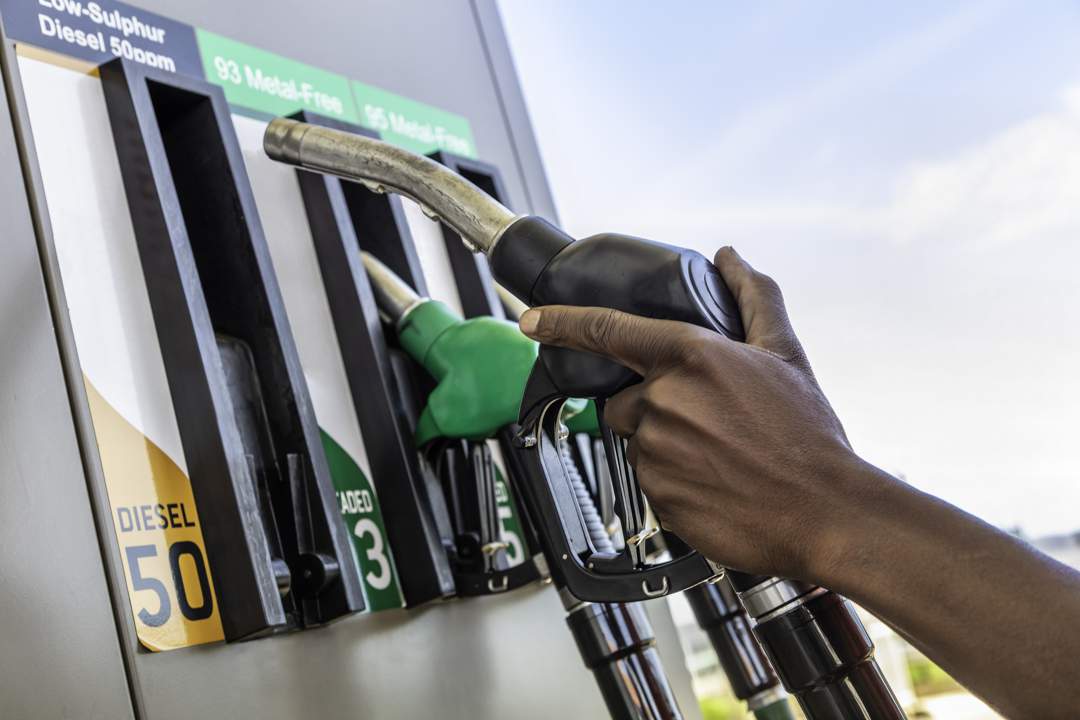
Oil and Diesel Prices in South Africa Expected to Drop Sharply on 1 July
Vehicle owners in South Africa can expect a big drop in fuel prices on 1 July. According to recent data from the Central Energy Fund and the end of fuel tax relief, the price drop is expected to be approximately R1.44 per liter for 95-octane petrol, up to R3 per liter for bulk diesel, and about R5 per liter for bulk paraffin.
Prices of petrol and diesel in South Africa largely depend on international oil prices and the rand exchange rate, as oil is traded in US dollars. Throughout the past month, Brent crude fell from over $90 per barrel to below $80 after the US and Iran reached a temporary peace agreement, allowing oil tankers to exit through the Strait of Hormuz in recent days. This main waterway for fuel exports had been closed since late February, causing a spike in oil prices and pushing Brent to $116 in April.
After a month of uncertainty, the rand was trading at R16.45/$ on Monday morning, compared to around R16.30 at the start of June. The local currency has recently faced pressure due to ongoing uncertainty regarding the peace agreement and expectations of a rise in US interest rates. Last week, the dollar benefited from a hawkish Federal Reserve meeting, where nine out of 19 policymakers expected a rate increase by the end of 2026.
Higher US interest rates make the dollar more attractive compared to other currencies, including the rand. Recent lower-than-expected South African inflation data caused traders to lower their expectations for a local rate hike this year. Fortunately, lower global fuel prices should still protect vehicle owners from the rand's weakness and the end of fuel tax relief, which has been in effect since April and will be completely abolished in July.
In short, this means 95-octane petrol could be approximately R1.44 per liter cheaper, while the price of bulk diesel with 0.05% sulfur will drop by R2.60 per liter, and diesel with 0.005% sulfur by R3 per liter. No tax is applied to paraffin, meaning a R5.13 per liter reduction will only change based on the exchange rate and international fuel prices in the next four days.
However, these prices can still be influenced by the slate levy, which compensates fuel importers for losses during the month if the prices they pay are higher than those displayed in petrol and diesel prices, set at the beginning of the month. This tax is paid retroactively, meaning the July increase will relate to fuel prices from two months prior, i.e., May. In June, a slate levy of R1.57 per liter was imposed after the slate account fell into a negative balance of R18 billion in April. The slate levy is imposed when accumulated losses exceed R500 million.
July fuel prices will be announced before 30 June and will take effect on 1 July. The retail price of 95-octane petrol is currently R28.06 per liter in Gauteng and R27.19 on the coast, both of which are all-time highs. The bulk diesel price with 0.05% sulfur is R27.93 per liter in Gauteng and R27.05 per liter on the coast. Bulk diesel surged to record prices of more than R30 per liter in May but dropped by approximately R2.60 per liter in June.
---
*Original source: [news24.com](https://www.news24.com/business/climate-future/energy/big-petrol-and-diesel-price-cuts-20260622-0608)*