Pengenalan: Ketika Dua Lengkungan Menjadi Misteri
Pada suatu petang di akhir abad ke-19, Joseph Jastrow, seorang ahli psikologi kelahiran Poland yang berhijrah ke Amerika Syarikat, sedang memerhatikan dua kepingan bentuk yang hampir serupa. Bentuk-bentuk itu—seperti cincin yang dipotong—diletakkan bersebelahan. Secara fizikal, kedua-duanya sama panjang dan sama lebar. Namun, mata Jastrow melihat sesuatu yang ganjil: satu daripadanya kelihatan lebih besar dan lebih panjang. Ilusi Jastrow, sebagaimana ia kemudian dinamakan, telah lahir.
Penemuan ini bukan sekadar anekdot lucu dalam sejarah psikologi. Ia mencetuskan perdebatan saintifik yang berlangsung lebih 130 tahun. Ilusi ini, yang juga dikenali sebagai ilusi Segmen Cincin, ilusi Wundt, ilusi Wundt-Jastrow, dan ilusi Bumerang, menunjukkan betapa rapuhnya kepercayaan kita terhadap pancaindera. Dalam dunia yang serba bergantung pada penglihatan, ilusi ini menjadi peringatan bahawa realiti yang kita lihat tidak selalunya realiti yang sebenar.
## Sejarah Penemuan: Joseph Jastrow dan Zaman Keemasan Psikologi
Joseph Jastrow (1863–1944) bukanlah nama yang asing dalam dunia psikologi awal. Sebagai seorang pelajar di Universiti Johns Hopkins di bawah bimbingan G. Stanley Hall—bapa psikologi Amerika—Jastrow terlibat dalam eksperimen-eksperimen perintis tentang persepsi. Pada tahun 1892, beliau menerbitkan satu makalah yang memperkenalkan ilusi yang kini membawa namanya.
Pada masa itu, psikologi masih dalam peringkat awal sebagai sains. Para penyelidik seperti Wilhelm Wundt di Jerman dan William James di Amerika sedang bergelut untuk memahami bagaimana minda berfungsi. Jastrow, yang kemudian menjadi presiden Persatuan Psikologi Amerika, melihat ilusi optik sebagai tingkap ke dalam proses mental yang lebih dalam. Ilusi Jastrow bukan sahaja menarik perhatian ahli psikologi, tetapi juga ahli fisiologi, seniman, dan ahli silap mata. Dalam satu laporan, Jastrow menyatakan bahawa ilusi ini boleh dihasilkan dengan mudah menggunakan dua bentuk lengkungan yang hampir serupa—satu diletakkan di atas yang lain, atau bersebelahan—dan kesannya segera kelihatan.
## Bagaimana Ilusi Jastrow Berfungsi: Tiga Teori Bersaing
Selama beberapa dekad, para saintis telah mencadangkan tiga teori utama untuk menjelaskan mengapa ilusi ini berlaku. Tiada satu pun yang diterima secara mutlak, dan perdebatan masih berterusan.
Teori Pertama: Kekeliruan Perbandingan Pinggir
Menurut teori ini, otak kita cenderung untuk membandingkan pinggir dalam lengkungan yang satu dengan pinggir luar lengkungan yang lain. Apabila dua bentuk diletakkan bersebelahan, otak secara automatik membuat perbandingan yang salah—menganggap bahawa hujung luar satu bentuk lebih panjang daripada hujung dalam bentuk yang lain, walaupun kedua-duanya sebenarnya sama.
Teori Kedua: Ilusi Lingkaran
Teori ini berpendapat bahawa ilusi Jastrow adalah varian dari ilusi lingkaran yang lebih luas. Apabila otak melihat satu segmen bulatan, ia cenderung untuk 'melengkapkan' bulatan tersebut secara mental. Segmen yang lebih kecil kelihatan seperti sebahagian daripada bulatan yang lebih kecil, manakala segmen yang lebih besar kelihatan seperti sebahagian daripada bulatan yang lebih besar. Walaupun kedua-dua segmen adalah sama saiz, persepsi terhadap 'keseluruhan' bulatan menyebabkan satu daripadanya kelihatan lebih besar.
Teori Ketiga: Perspektif dan Jarak
Teori ketiga mencadangkan bahawa ilusi ini timbul kerana otak kita mentafsirkan lengkungan sebagai objek tiga dimensi yang dilihat dari sudut tertentu. Apabila satu lengkungan diletakkan di atas yang lain, otak menganggap bahawa ia lebih dekat atau lebih jauh, lalu secara automatik melaraskan persepsi saiz. Ini adalah prinsip yang sama yang digunakan dalam lukisan perspektif.
## Ilusi Jastrow dalam Dunia Nyata dan Budaya Popular
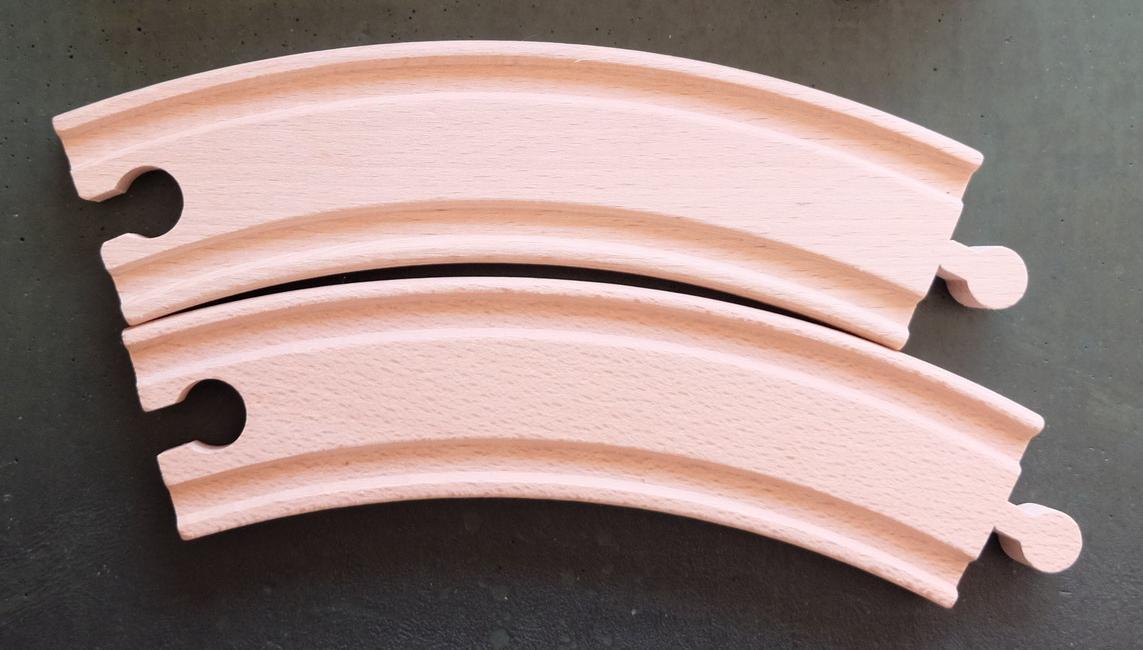
Ilusi Jastrow bukan sekadar gambar statik dalam buku teks. Ia muncul dalam pelbagai konteks, dari landasan kereta api mainan hinggalah ke pentas sihir. Cuba bayangkan dua batang landasan kereta api mainan yang diletakkan di atas lantai. Walaupun kedua-duanya adalah sama panjang, satu daripadanya kelihatan lebih besar. Ini adalah ilusi Jastrow dalam aksi—satu fenomena yang boleh dilihat dengan mata kasar.
Dalam dunia silap mata, ilusi ini sering digunakan dalam kit-kit sihir yang dijual di kedai-kedai khusus. Ia dikenali sebagai ilusi Bumerang, kerana bentuk lengkungannya menyerupai bumerang. Ahli silap mata akan menunjukkan dua kepingan plastik yang kelihatan berbeza saiz, kemudian 'menukar' saiznya dengan hanya memusingkan kedudukan. Rahsianya, sudah tentu, terletak pada ilusi itu sendiri, bukan pada helah fizikal.
Ilusi ini juga mempunyai aplikasi dalam bidang psikologi kognitif, di mana ia digunakan untuk mengkaji bagaimana otak memproses maklumat visual. Dalam eksperimen, peserta diminta untuk membandingkan saiz dua bentuk, dan hasilnya menunjukkan bahawa hampir semua orang tertipu—tanpa mengira umur, jantina, atau latar belakang budaya. Ini membuktikan bahawa ilusi ini bukanlah hasil pembelajaran, tetapi satu ciri semula jadi sistem penglihatan manusia.
## Warisan Jastrow: Mengapa Ilusi Ini Masih Relevan?
Lebih satu abad selepas penemuannya, ilusi Jastrow masih menjadi subjek perbincangan dalam kalangan saintis. Mengapa? Kerana ia menimbulkan persoalan asas tentang realiti dan persepsi. Jika mata kita boleh tertipu oleh dua lengkungan mudah, apakah yang boleh dipercayai?
Dalam era realiti maya dan kecerdasan buatan, pemahaman tentang ilusi optik menjadi semakin penting. Pereka grafik dan pembangun permainan video menggunakan prinsip ilusi untuk mencipta pengalaman yang lebih immersif. Ahli neurosains menggunakannya untuk memetakan kawasan otak yang bertanggungjawab terhadap persepsi ruang dan saiz. Malah, dalam bidang psikologi klinikal, ilusi seperti Jastrow digunakan untuk mengkaji gangguan persepsi seperti skizofrenia.
Kesimpulan: Pelajaran dari Ilusi yang Menipu
Ilusi Jastrow adalah lebih daripada sekadar tipu helah mata. Ia adalah jendela ke dalam cara otak kita berfungsi—satu mesin yang luar biasa yang sentiasa membuat tekaan terbaik, walaupun tekaan itu kadang-kadang salah. Joseph Jastrow, dengan penemuannya yang sederhana, telah meninggalkan warisan yang kekal: satu peringatan bahawa realiti yang kita lihat hanyalah satu tafsiran, bukan satu salinan tepat dunia luar.
Jadi, apabila anda melihat dua lengkungan yang kelihatan berbeza saiz, ingatlah: jangan percaya sepenuhnya pada mata anda. Mungkin, seperti ilusi Jastrow, kebenaran yang sebenar hanya dapat dilihat dengan minda yang terbuka.
---
Rujukan: Jastrow illusion — Wikipedia
Ilusi Jastrow: Rahsia Penglihatan yang Menipu Otak Selama Lebih Seabad. Pada tahun 1892, seorang ahli psikologi Poland-Amerika menemui satu ilusi optik yang hingga kini masih membingungkan saintis. Dua lengkungan yang sama bentuk dan saiz kelihatan berbeza, mencetuskan tiga teori bersaing. Temui bagaimana ilusi ini bukan sahaja menghiburkan tetapi juga mengubah pemahaman kita tentang cara otak memproses realiti.. Pengenalan: Ketika Dua Lengkungan Menjadi Misteri
Pada suatu petang di akhir abad ke-19, Joseph Jastrow, seorang ahli psikologi kelahiran Poland yang berhijrah ke Amerika Syarikat, sedang memerhatikan dua kepingan bentuk yang hampir serupa. Bentuk-bentuk itu—seperti cincin yang dipotong—diletakkan bersebelahan. Secara fizikal, kedua-duanya sama panjang dan sama lebar. Namun, mata Jastrow melihat sesuatu yang ganjil: satu daripadanya kelihatan lebih besar dan lebih panjang. Ilusi Jastrow, sebagaimana ia kemudian dinamakan, telah lahir.
Penemuan ini bukan sekadar anekdot lucu dalam sejarah psikologi. Ia mencetuskan perdebatan saintifik yang berlangsung lebih 130 tahun. Ilusi ini, yang juga dikenali sebagai ilusi Segmen Cincin, ilusi Wundt, ilusi Wundt-Jastrow, dan ilusi Bumerang, menunjukkan betapa rapuhnya kepercayaan kita terhadap pancaindera. Dalam dunia yang serba bergantung pada penglihatan, ilusi ini menjadi peringatan bahawa realiti yang kita lihat tidak selalunya realiti yang sebenar.
Sejarah Penemuan: Joseph Jastrow dan Zaman Keemasan Psikologi
Joseph Jastrow 1863–1944 bukanlah nama yang asing dalam dunia psikologi awal. Sebagai seorang pelajar di Universiti Johns Hopkins di bawah bimbingan G. Stanley Hall—bapa psikologi Amerika—Jastrow terlibat dalam eksperimen-eksperimen perintis tentang persepsi. Pada tahun 1892, beliau menerbitkan satu makalah yang memperkenalkan ilusi yang kini membawa namanya.
Pada masa itu, psikologi masih dalam peringkat awal sebagai sains. Para penyelidik seperti Wilhelm Wundt di Jerman dan William James di Amerika sedang bergelut untuk memahami bagaimana minda berfungsi. Jastrow, yang kemudian menjadi presiden Persatuan Psikologi Amerika, melihat ilusi optik sebagai tingkap ke dalam proses mental yang lebih dalam. Ilusi Jastrow bukan sahaja menarik perhatian ahli psikologi, tetapi juga ahli fisiologi, seniman, dan ahli silap mata. Dalam satu laporan, Jastrow menyatakan bahawa ilusi ini boleh dihasilkan dengan mudah menggunakan dua bentuk lengkungan yang hampir serupa—satu diletakkan di atas yang lain, atau bersebelahan—dan kesannya segera kelihatan.
Bagaimana Ilusi Jastrow Berfungsi: Tiga Teori Bersaing
Selama beberapa dekad, para saintis telah mencadangkan tiga teori utama untuk menjelaskan mengapa ilusi ini berlaku. Tiada satu pun yang diterima secara mutlak, dan perdebatan masih berterusan.
Teori Pertama: Kekeliruan Perbandingan Pinggir
Menurut teori ini, otak kita cenderung untuk membandingkan pinggir dalam lengkungan yang satu dengan pinggir luar lengkungan yang lain. Apabila dua bentuk diletakkan bersebelahan, otak secara automatik membuat perbandingan yang salah—menganggap bahawa hujung luar satu bentuk lebih panjang daripada hujung dalam bentuk yang lain, walaupun kedua-duanya sebenarnya sama.
Teori Kedua: Ilusi Lingkaran
Teori ini berpendapat bahawa ilusi Jastrow adalah varian dari ilusi lingkaran yang lebih luas. Apabila otak melihat satu segmen bulatan, ia cenderung untuk 'melengkapkan' bulatan tersebut secara mental. Segmen yang lebih kecil kelihatan seperti sebahagian daripada bulatan yang lebih kecil, manakala segmen yang lebih besar kelihatan seperti sebahagian daripada bulatan yang lebih besar. Walaupun kedua-dua segmen adalah sama saiz, persepsi terhadap 'keseluruhan' bulatan menyebabkan satu daripadanya kelihatan lebih besar.
Teori Ketiga: Perspektif dan Jarak
Teori ketiga mencadangkan bahawa ilusi ini timbul kerana otak kita mentafsirkan lengkungan sebagai objek tiga dimensi yang dilihat dari sudut tertentu. Apabila satu lengkungan diletakkan di atas yang lain, otak menganggap bahawa ia lebih dekat atau lebih jauh, lalu secara automatik melaraskan persepsi saiz. Ini adalah prinsip yang sama yang digunakan dalam lukisan perspektif.
Ilusi Jastrow dalam Dunia Nyata dan Budaya Popular
Ilusi Jastrow bukan sekadar gambar statik dalam buku teks. Ia muncul dalam pelbagai konteks, dari landasan kereta api mainan hinggalah ke pentas sihir. Cuba bayangkan dua batang landasan kereta api mainan yang diletakkan di atas lantai. Walaupun kedua-duanya adalah sama panjang, satu daripadanya kelihatan lebih besar. Ini adalah ilusi Jastrow dalam aksi—satu fenomena yang boleh dilihat dengan mata kasar.
Dalam dunia silap mata, ilusi ini sering digunakan dalam kit-kit sihir yang dijual di kedai-kedai khusus. Ia dikenali sebagai ilusi Bumerang, kerana bentuk lengkungannya menyerupai bumerang. Ahli silap mata akan menunjukkan dua kepingan plastik yang kelihatan berbeza saiz, kemudian 'menukar' saiznya dengan hanya memusingkan kedudukan. Rahsianya, sudah tentu, terletak pada ilusi itu sendiri, bukan pada helah fizikal.
Ilusi ini juga mempunyai aplikasi dalam bidang psikologi kognitif, di mana ia digunakan untuk mengkaji bagaimana otak memproses maklumat visual. Dalam eksperimen, peserta diminta untuk membandingkan saiz dua bentuk, dan hasilnya menunjukkan bahawa hampir semua orang tertipu—tanpa mengira umur, jantina, atau latar belakang budaya. Ini membuktikan bahawa ilusi ini bukanlah hasil pembelajaran, tetapi satu ciri semula jadi sistem penglihatan manusia.
Warisan Jastrow: Mengapa Ilusi Ini Masih Relevan?
Lebih satu abad selepas penemuannya, ilusi Jastrow masih menjadi subjek perbincangan dalam kalangan saintis. Mengapa? Kerana ia menimbulkan persoalan asas tentang realiti dan persepsi. Jika mata kita boleh tertipu oleh dua lengkungan mudah, apakah yang boleh dipercayai?
Dalam era realiti maya dan kecerdasan buatan, pemahaman tentang ilusi optik menjadi semakin penting. Pereka grafik dan pembangun permainan video menggunakan prinsip ilusi untuk mencipta pengalaman yang lebih immersif. Ahli neurosains menggunakannya untuk memetakan kawasan otak yang bertanggungjawab terhadap persepsi ruang dan saiz. Malah, dalam bidang psikologi klinikal, ilusi seperti Jastrow digunakan untuk mengkaji gangguan persepsi seperti skizofrenia.
Kesimpulan: Pelajaran dari Ilusi yang Menipu
Ilusi Jastrow adalah lebih daripada sekadar tipu helah mata. Ia adalah jendela ke dalam cara otak kita berfungsi—satu mesin yang luar biasa yang sentiasa membuat tekaan terbaik, walaupun tekaan itu kadang-kadang salah. Joseph Jastrow, dengan penemuannya yang sederhana, telah meninggalkan warisan yang kekal: satu peringatan bahawa realiti yang kita lihat hanyalah satu tafsiran, bukan satu salinan tepat dunia luar.
Jadi, apabila anda melihat dua lengkungan yang kelihatan berbeza saiz, ingatlah: jangan percaya sepenuhnya pada mata anda. Mungkin, seperti ilusi Jastrow, kebenaran yang sebenar hanya dapat dilihat dengan minda yang terbuka.
---
Rujukan: Jastrow illusion — Wikipedia https://en.wikipedia.org/wiki/Jastrow illusion