Bayangkan: Suatu hari seperti biasa di Bumi, 66 juta tahun lalu. Dinosaur berkuasa, pterosaur terbang di langit, dan ammonit berenang di lautan. Keesokan harinya, dunia tidak lagi sama.
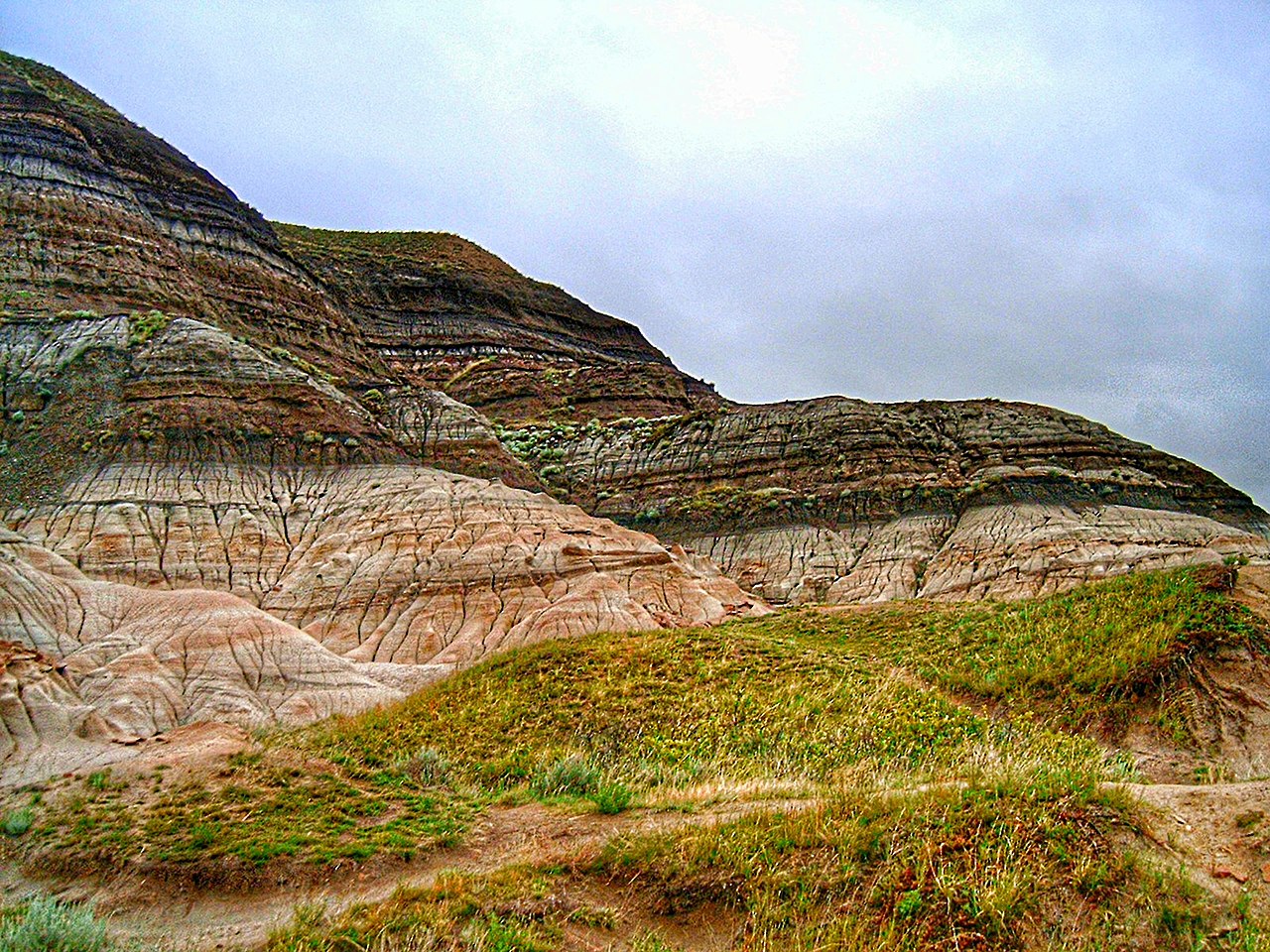
Apa yang berlaku dalam tempoh singkat itu masih menjadi misteri paling menarik dalam sains. Namun, jawapannya tersimpan dalam lapisan batuan setebal beberapa sentimeter – Sempadan Cretaceous–Paleogene (K-Pg). Lapisan ini bukan sekadar garisan geologi biasa; ia adalah bukti fizikal bagi salah satu peristiwa paling dahsyat yang pernah melanda planet kita.
## Kejutan Pertama: Iridium yang Tidak Seperti Biasa
Pada tahun 1980, pasukan saintis diketuai oleh Luis Alvarez membuat penemuan yang menggemparkan dunia. Mereka mendapati bahawa lapisan K-Pg mengandungi kepekatan iridium yang sangat tinggi – sehingga 160 kali ganda lebih banyak daripada lapisan biasa. Iridium adalah unsur yang jarang ditemui di kerak Bumi, tetapi lazim dalam asteroid dan komet.
Ini bukan sekadar anomali; ia adalah petunjuk langsung. Alvarez mengemukakan teori bahawa hentaman asteroid gergasi telah menyebabkan kepupusan besar-besaran. Teori ini pada mulanya ditolak oleh ramai, tetapi bukti demi bukti mula terkumpul. Pada tahun 1991, saintis menemui Kawah Chicxulub di Semenanjung Yucatan, Mexico – kawah hentaman selebar 180 kilometer yang tepat berusia 66 juta tahun. Kawah ini adalah smoking gun yang mengesahkan teori Alvarez.
## Kekuatan Pemusnah: Lebih Berkuasa daripada Bom Atom
Asteroid yang melanggar Bumi itu dianggarkan selebar 10–15 kilometer. Ketika ia memasuki atmosfera, suhunya meningkat dengan pantas, mencipta bola api yang boleh dilihat dari jarak ribuan kilometer. Hentaman itu melepaskan tenaga bersamaan dengan 10 bilion bom atom Hiroshima – cukup untuk mencairkan batuan dan mengewapkan lautan di kawasan sekitar.
Gelombang kejutan yang terhasil menggegarkan seluruh planet. Gempa bumi berskala 11 atau lebih tinggi mengguncang Bumi selama beberapa minit. Tsunami setinggi 1.5 kilometer melanda pantai di seluruh dunia. Lebih dahsyat lagi, habuk dan serpihan yang terlempar ke atmosfera menyekat cahaya matahari selama bertahun-tahun. Inilah yang dipanggil "musim sejuk hentaman" – tempoh kegelapan dan kesejukan yang memusnahkan rantai makanan global.
## Bukan Sekadar Dinosaur: Kepupusan 75% Spesies
Ramai orang menganggap kepupusan K-Pg hanya melibatkan dinosaur. Realitinya lebih mengerikan: lebih 75% daripada semua spesies di Bumi ketika itu pupus. Bukan hanya dinosaur bukan-avian, tetapi juga pterosaur, mosasaur, plesiosaur, dan ammonit. Di lautan, foraminifera (organisma laut bersaiz mikro) hampir hilang sepenuhnya. Hanya spesies yang dapat bertahan dalam kegelapan dan kekurangan makanan – seperti mamalia kecil, burung, dan buaya – terselamat.
Namun, ada satu fakta yang jarang diketahui: beberapa dinosaur mungkin telah bertahan lebih lama daripada yang disangka. Penemuan fosil dinosaur di lapisan batuan yang lebih tinggi daripada K-Pg di beberapa lokasi mencetuskan kontroversi. Adakah ini bukti bahawa sesetengah dinosaur hidup beberapa ribu tahun selepas hentaman? Atau adakah ia kesan daripada proses geologi yang mengganggu lapisan batuan? Perdebatan ini masih berlanjutan.
## Lapisan Misteri: Debu yang Menyimpan Cerita
Lapisan K-Pg bukan hanya mengandungi iridium. Ia juga kaya dengan kuarza hentaman (mineral yang terbentuk di bawah tekanan hentaman tinggi) dan sfera mikroskopik yang dipanggil tektit. Tektit ini adalah titisan batuan cair yang terlempar ke udara dan mengeras semasa jatuh. Kesemua ini membentuk lapisan setebal 1–2 sentimeter yang boleh ditemui di seluruh dunia – dari Denmark ke New Zealand.
Fakta mengejutkan: lapisan ini terbentuk dalam tempoh hanya beberapa hari atau minggu, tetapi ia menjadi sempadan yang memisahkan dua era geologi yang berbeza. Di bawahnya, kita dapati fosil dinosaur dan ammonit. Di atasnya, fosil mamalia dan burung mula muncul. Lapisan ini adalah garis masa yang paling tepat dalam sejarah Bumi.
## Kesan Jangka Panjang: Dari Kematian ke Kehidupan
Kepupusan K-Pg membuka jalan kepada evolusi mamalia. Dengan ketiadaan dinosaur, mamalia kecil yang sebelum ini hidup dalam bayang-bayang mula berkembang. Dalam beberapa juta tahun, mereka menjadi spesies dominan di darat. Manusia sendiri adalah hasil daripada peristiwa ini – tanpa hentaman Chicxulub, mungkin kita tidak akan wujud.
Namun, ada satu lagi misteri: mengapa sesetengah spesies terselamat dan yang lain tidak? Buaya, misalnya, masih wujud hingga kini. Mereka mungkin bertahan kerana keupayaan untuk hidup dalam air dan memakan bangkai. Burung, sebagai keturunan dinosaur theropod, juga terselamat. Tetapi dinosaur besar seperti Tyrannosaurus rex lenyap sepenuhnya. Jawapannya mungkin terletak pada saiz, diet, dan habitat. Spesies yang bergantung pada fotosintesis (tumbuhan dan haiwan herbivor) paling terjejas oleh musim sejuk hentaman.
## Penemuan Terkini: Apa Lagi yang Tersembunyi?
Pada tahun 2023, saintis menemui bukti bahawa hentaman Chicxulub mungkin menyebabkan letusan gunung berapi besar-besaran di India, yang dikenali sebagai Perangkap Deccan. Letusan ini sudah bermula sebelum hentaman, tetapi mungkin dipercepatkan oleh gema seismik daripada perlanggaran. Ini bermakna kepupusan K-Pg mungkin disebabkan oleh gabungan dua bencana – asteroid dan gunung berapi – yang berlaku serentak. Teori ini masih dikaji, tetapi ia menambah satu lagi lapisan misteri kepada kisah ini.
Sempadan K-Pg bukan sekadar garis geologi. Ia adalah pintu masa yang membawa kita kembali ke salah satu detik paling kritikal dalam sejarah planet. Setiap butiran iridium, setiap sfera tektit, adalah saksi kepada malapetaka yang membentuk dunia seperti yang kita kenali. Dan masih banyak yang belum kita fahami – mungkin itulah yang paling menakutkan.
---
Rujukan: Cretaceous–Paleogene boundary — Wikipedia
Lapisan Iridium yang Membunuh Dinosaur: Rahsia K-Pg. Di sebalik lapisan batuan nipis yang kaya dengan iridium tersembunyi kisah paling dahsyat dalam sejarah Bumi. 66 juta tahun lalu, satu hentaman asteroid mengubah planet ini, memusnahkan dinosaur dan membuka jalan kepada kebangkitan mamalia. Artikel ini membongkar fakta mengejutkan di sebalik sempadan Cretaceous–Paleogene yang menjadi saksi bisu malapetaka kosmik.. Bayangkan: Suatu hari seperti biasa di Bumi, 66 juta tahun lalu. Dinosaur berkuasa, pterosaur terbang di langit, dan ammonit berenang di lautan. Keesokan harinya, dunia tidak lagi sama.
Apa yang berlaku dalam tempoh singkat itu masih menjadi misteri paling menarik dalam sains. Namun, jawapannya tersimpan dalam lapisan batuan setebal beberapa sentimeter – Sempadan Cretaceous–Paleogene K-Pg . Lapisan ini bukan sekadar garisan geologi biasa; ia adalah bukti fizikal bagi salah satu peristiwa paling dahsyat yang pernah melanda planet kita.
Kejutan Pertama: Iridium yang Tidak Seperti Biasa
Pada tahun 1980, pasukan saintis diketuai oleh Luis Alvarez membuat penemuan yang menggemparkan dunia. Mereka mendapati bahawa lapisan K-Pg mengandungi kepekatan iridium yang sangat tinggi – sehingga 160 kali ganda lebih banyak daripada lapisan biasa. Iridium adalah unsur yang jarang ditemui di kerak Bumi, tetapi lazim dalam asteroid dan komet.
Ini bukan sekadar anomali; ia adalah petunjuk langsung. Alvarez mengemukakan teori bahawa hentaman asteroid gergasi telah menyebabkan kepupusan besar-besaran. Teori ini pada mulanya ditolak oleh ramai, tetapi bukti demi bukti mula terkumpul. Pada tahun 1991, saintis menemui Kawah Chicxulub di Semenanjung Yucatan, Mexico – kawah hentaman selebar 180 kilometer yang tepat berusia 66 juta tahun. Kawah ini adalah smoking gun yang mengesahkan teori Alvarez.
Kekuatan Pemusnah: Lebih Berkuasa daripada Bom Atom
Asteroid yang melanggar Bumi itu dianggarkan selebar 10–15 kilometer. Ketika ia memasuki atmosfera, suhunya meningkat dengan pantas, mencipta bola api yang boleh dilihat dari jarak ribuan kilometer. Hentaman itu melepaskan tenaga bersamaan dengan 10 bilion bom atom Hiroshima – cukup untuk mencairkan batuan dan mengewapkan lautan di kawasan sekitar.
Gelombang kejutan yang terhasil menggegarkan seluruh planet. Gempa bumi berskala 11 atau lebih tinggi mengguncang Bumi selama beberapa minit. Tsunami setinggi 1.5 kilometer melanda pantai di seluruh dunia. Lebih dahsyat lagi, habuk dan serpihan yang terlempar ke atmosfera menyekat cahaya matahari selama bertahun-tahun. Inilah yang dipanggil "musim sejuk hentaman" – tempoh kegelapan dan kesejukan yang memusnahkan rantai makanan global.
Bukan Sekadar Dinosaur: Kepupusan 75% Spesies
Ramai orang menganggap kepupusan K-Pg hanya melibatkan dinosaur. Realitinya lebih mengerikan: lebih 75% daripada semua spesies di Bumi ketika itu pupus. Bukan hanya dinosaur bukan-avian, tetapi juga pterosaur, mosasaur, plesiosaur, dan ammonit. Di lautan, foraminifera organisma laut bersaiz mikro hampir hilang sepenuhnya. Hanya spesies yang dapat bertahan dalam kegelapan dan kekurangan makanan – seperti mamalia kecil, burung, dan buaya – terselamat.
Namun, ada satu fakta yang jarang diketahui: beberapa dinosaur mungkin telah bertahan lebih lama daripada yang disangka. Penemuan fosil dinosaur di lapisan batuan yang lebih tinggi daripada K-Pg di beberapa lokasi mencetuskan kontroversi. Adakah ini bukti bahawa sesetengah dinosaur hidup beberapa ribu tahun selepas hentaman? Atau adakah ia kesan daripada proses geologi yang mengganggu lapisan batuan? Perdebatan ini masih berlanjutan.
Lapisan Misteri: Debu yang Menyimpan Cerita
Lapisan K-Pg bukan hanya mengandungi iridium. Ia juga kaya dengan kuarza hentaman mineral yang terbentuk di bawah tekanan hentaman tinggi dan sfera mikroskopik yang dipanggil tektit. Tektit ini adalah titisan batuan cair yang terlempar ke udara dan mengeras semasa jatuh. Kesemua ini membentuk lapisan setebal 1–2 sentimeter yang boleh ditemui di seluruh dunia – dari Denmark ke New Zealand.
Fakta mengejutkan: lapisan ini terbentuk dalam tempoh hanya beberapa hari atau minggu, tetapi ia menjadi sempadan yang memisahkan dua era geologi yang berbeza. Di bawahnya, kita dapati fosil dinosaur dan ammonit. Di atasnya, fosil mamalia dan burung mula muncul. Lapisan ini adalah garis masa yang paling tepat dalam sejarah Bumi.
Kesan Jangka Panjang: Dari Kematian ke Kehidupan
Kepupusan K-Pg membuka jalan kepada evolusi mamalia. Dengan ketiadaan dinosaur, mamalia kecil yang sebelum ini hidup dalam bayang-bayang mula berkembang. Dalam beberapa juta tahun, mereka menjadi spesies dominan di darat. Manusia sendiri adalah hasil daripada peristiwa ini – tanpa hentaman Chicxulub, mungkin kita tidak akan wujud.
Namun, ada satu lagi misteri: mengapa sesetengah spesies terselamat dan yang lain tidak? Buaya, misalnya, masih wujud hingga kini. Mereka mungkin bertahan kerana keupayaan untuk hidup dalam air dan memakan bangkai. Burung, sebagai keturunan dinosaur theropod, juga terselamat. Tetapi dinosaur besar seperti Tyrannosaurus rex lenyap sepenuhnya. Jawapannya mungkin terletak pada saiz, diet, dan habitat. Spesies yang bergantung pada fotosintesis tumbuhan dan haiwan herbivor paling terjejas oleh musim sejuk hentaman.
Penemuan Terkini: Apa Lagi yang Tersembunyi?
Pada tahun 2023, saintis menemui bukti bahawa hentaman Chicxulub mungkin menyebabkan letusan gunung berapi besar-besaran di India, yang dikenali sebagai Perangkap Deccan. Letusan ini sudah bermula sebelum hentaman, tetapi mungkin dipercepatkan oleh gema seismik daripada perlanggaran. Ini bermakna kepupusan K-Pg mungkin disebabkan oleh gabungan dua bencana – asteroid dan gunung berapi – yang berlaku serentak. Teori ini masih dikaji, tetapi ia menambah satu lagi lapisan misteri kepada kisah ini.
Sempadan K-Pg bukan sekadar garis geologi. Ia adalah pintu masa yang membawa kita kembali ke salah satu detik paling kritikal dalam sejarah planet. Setiap butiran iridium, setiap sfera tektit, adalah saksi kepada malapetaka yang membentuk dunia seperti yang kita kenali. Dan masih banyak yang belum kita fahami – mungkin itulah yang paling menakutkan.
---
Rujukan: Cretaceous–Paleogene boundary — Wikipedia https://en.wikipedia.org/wiki/Cretaceous%E2%80%93Paleogene boundary