The cosmopolitan capital of South Korea, Seoul, is officially launching an environmental transformation agenda that is described as one of the most ambitious master plans in Asia. Known for its fast-paced urban life and abundance of skyscrapers, the municipal council is now focusing on large-scale efforts to transform its identity into a sustainable green city concept by the next decade. The main focus of this mission is a drastic reduction in household and commercial waste production through strict waste separation policies mandated to all residents without any compromise or legal leniency.
The implementation of volume-based garbage bags is just the beginning. Seoul is now pioneering circular economy practices by establishing various community upcycling centers in every district, where plastic waste, used clothing, and electronic equipment are sorted and reused to create innovative new products. The local government has also introduced a strict ban on the use of single-use plastic cups in all cafes, forcing citizens to use reusable bottles or the city's rental cup system. Although initially met with complaints, this measure has proven successful in changing consumer habits in an exceptionally short period, thanks to the high level of collective discipline that is a source of pride for Koreans.
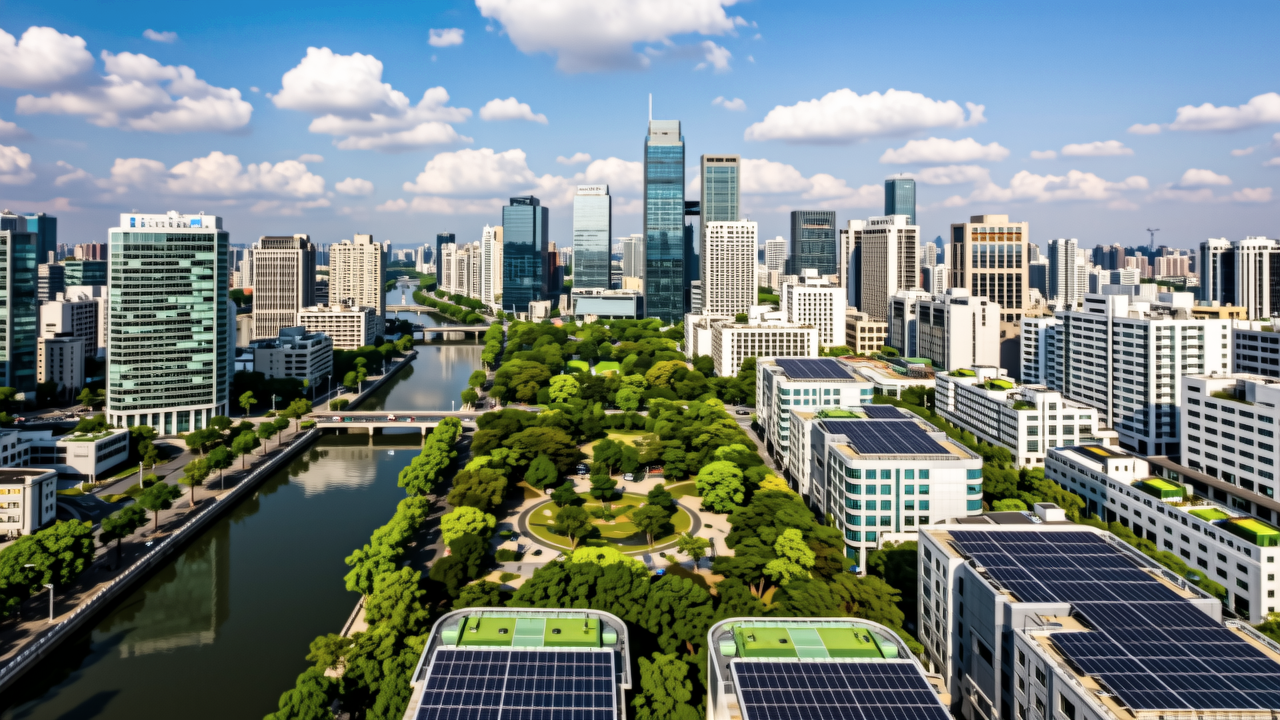
Alongside waste management initiatives, the transition towards renewable energy is also being rapidly implemented. The widespread "Solar Roof" project allows public schools, hospitals, and apartments to install solar panels through government subsidies, thereby reducing the country's reliance on imported fossil fuels. In addition, Seoul is increasing the number of electric buses and public charging stations for private green vehicles in almost every commercial block. Bicycle lanes are also being expanded to promote a low-carbon lifestyle and a healthier physical environment for the busy and constantly task-laden urban population.
To complete the master plan, the aspect of tree and landscape maintenance has become an additional focus to counter the urban heat island effect. Planting millions of trees along major roadways and opening more pocket parks provide a much-needed natural cooling effect as the increasingly hot summer season approaches. Politicians and nature lovers believe this campaign is not only to address the threat of global warming but also to become a new symbol of pride for the community. Seoul is now on a solid path to becoming a leading guide for sustainability and eco-friendly lifestyles to be emulated by other mega-cities around the world.
Seoul Green Mission: How the South Korean Capital is Moving Towards Zero Waste and Renewable Energy. To address the impact of climate change, the city of Seoul has launched the most aggressive environmental sustainability initiative with a comprehensive recycling system, zero-waste clean-up, and a low-carbon lifestyle.. The cosmopolitan capital of South Korea, Seoul, is officially launching an environmental transformation agenda that is described as one of the most ambitious master plans in Asia. Known for its fast-paced urban life and abundance of skyscrapers, the municipal council is now focusing on large-scale efforts to transform its identity into a sustainable green city concept by the next decade. The main focus of this mission is a drastic reduction in household and commercial waste production through strict waste separation policies mandated to all residents without any compromise or legal leniency.
The implementation of volume-based garbage bags is just the beginning. Seoul is now pioneering circular economy practices by establishing various community upcycling centers in every district, where plastic waste, used clothing, and electronic equipment are sorted and reused to create innovative new products. The local government has also introduced a strict ban on the use of single-use plastic cups in all cafes, forcing citizens to use reusable bottles or the city's rental cup system. Although initially met with complaints, this measure has proven successful in changing consumer habits in an exceptionally short period, thanks to the high level of collective discipline that is a source of pride for Koreans.
Alongside waste management initiatives, the transition towards renewable energy is also being rapidly implemented. The widespread "Solar Roof" project allows public schools, hospitals, and apartments to install solar panels through government subsidies, thereby reducing the country's reliance on imported fossil fuels. In addition, Seoul is increasing the number of electric buses and public charging stations for private green vehicles in almost every commercial block. Bicycle lanes are also being expanded to promote a low-carbon lifestyle and a healthier physical environment for the busy and constantly task-laden urban population.
To complete the master plan, the aspect of tree and landscape maintenance has become an additional focus to counter the urban heat island effect. Planting millions of trees along major roadways and opening more pocket parks provide a much-needed natural cooling effect as the increasingly hot summer season approaches. Politicians and nature lovers believe this campaign is not only to address the threat of global warming but also to become a new symbol of pride for the community. Seoul is now on a solid path to becoming a leading guide for sustainability and eco-friendly lifestyles to be emulated by other mega-cities around the world.