Introduction
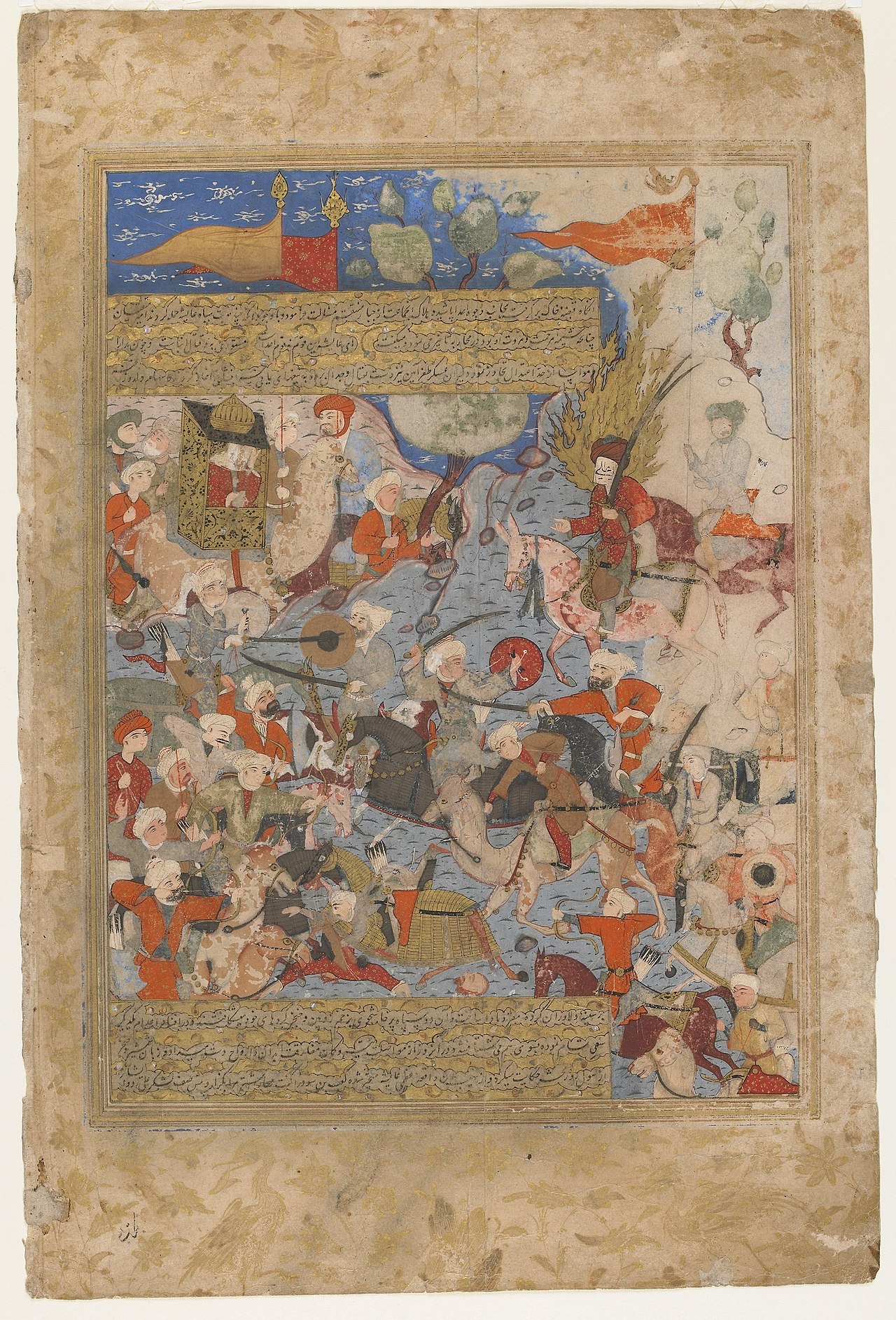
In 656 CE, only a few months after the appointment of Saidina Ali as the fourth caliph, the Muslim community witnessed an astonishing event: a battle between fellow Muslims in the desert of Basra. This battle is known as the Battle of the Camel (Battle of the Donkey) because Aishah, the wife of the Prophet Muhammad SAW, led her troops while riding a red camel. This war became a dark point in history, but it also brought deep lessons about leadership, justice, and the dangers of division.
Background: The Murder of Uthman and the Rise of Ali
The crisis began with the murder of Caliph Uthman bin Affan in 656 by rebels from Egypt and Kufah. After Uthman's death, the Muslims in Medina appointed Ali as the caliph. However, many companions, including Aishah, Talhah, and Zubair, demanded immediate punishment for Uthman's killers. They saw Ali as too slow to act, which caused dissatisfaction. Ali, on the other hand, argued that the situation needed to be stabilized before taking action. This difference became the cause of the division.
Main Figures: Aishah, Talhah, and Zubair
Aishah binti Abu Bakar, the mother of the believers, was a respected scholar and leader. Her husband, Talhah bin Ubaidillah, and Zubair bin Awwam were among the early companions who were promised paradise. The three of them formed an alliance to demand justice for Uthman. They moved to Basra and gained support from the local people. However, their intentions were misinterpreted by some as a rebellion against the legitimate caliph.
The Battle: The Red Camel as a Witness
On December 7, 656, both sides met outside Basra. Ali's forces consisted of troops from Kufah and Medina, while Aishah's forces were a combination of Meccans and Basrans. A fierce battle took place around Aishah's camel, which became a symbol of the conflict. When the camel was killed, Aishah was captured and treated with respect by Ali. Talhah was killed in the battle, while Zubair left the battlefield before the battle and was later killed. Ali won the battle, but at a great cost.
Lessons: Leadership, Justice, and Unity
The Battle of the Camel teaches us that leadership requires patience and diplomacy. Ali tried to avoid bloodshed but failed due to the pressure from both sides. This event also shows that demands for justice must be carried out wisely; otherwise, they can lead to chaos. More importantly, the war reminds us of the danger of division within the community. After the battle, Ali pardoned Aishah and sent her back to Medina with honor, showing a forgiving nature and mature leadership.
Conclusion: The Legacy of the Battle of the Camel
The Battle of the Camel was the first crisis in Islamic history that tested the strength of the caliphate institution. Although it left deep wounds, it also became a starting point for Muslims to reflect on the importance of unity and justice. As heirs of this civilization, we must learn from this event to build a harmonious, principled, and noble society. History is not just an old story, but a mirror for the future.
---
Reference: Battle of the Camel — Wikipedia
The Battle of the Camel: The First Crisis in Islamic Leadership and Its Lessons. The Battle of the Camel (656 CE) was the first civil war in Islamic history between the forces of Caliph Ali and the combined leadership of Aishah, Talhah, and Zubair. It took place outside Basra, Iraq, and caused a division among the community, raising significant issues about justice, leadership, and unity. This article explores the chronology, main figures, and lessons that can be drawn from this event to strengthen Muslim unity.. Introduction
In 656 CE, only a few months after the appointment of Saidina Ali as the fourth caliph, the Muslim community witnessed an astonishing event: a battle between fellow Muslims in the desert of Basra. This battle is known as the Battle of the Camel Battle of the Donkey because Aishah, the wife of the Prophet Muhammad SAW, led her troops while riding a red camel. This war became a dark point in history, but it also brought deep lessons about leadership, justice, and the dangers of division.
Background: The Murder of Uthman and the Rise of Ali
The crisis began with the murder of Caliph Uthman bin Affan in 656 by rebels from Egypt and Kufah. After Uthman's death, the Muslims in Medina appointed Ali as the caliph. However, many companions, including Aishah, Talhah, and Zubair, demanded immediate punishment for Uthman's killers. They saw Ali as too slow to act, which caused dissatisfaction. Ali, on the other hand, argued that the situation needed to be stabilized before taking action. This difference became the cause of the division.
Main Figures: Aishah, Talhah, and Zubair
Aishah binti Abu Bakar, the mother of the believers, was a respected scholar and leader. Her husband, Talhah bin Ubaidillah, and Zubair bin Awwam were among the early companions who were promised paradise. The three of them formed an alliance to demand justice for Uthman. They moved to Basra and gained support from the local people. However, their intentions were misinterpreted by some as a rebellion against the legitimate caliph.
The Battle: The Red Camel as a Witness
On December 7, 656, both sides met outside Basra. Ali's forces consisted of troops from Kufah and Medina, while Aishah's forces were a combination of Meccans and Basrans. A fierce battle took place around Aishah's camel, which became a symbol of the conflict. When the camel was killed, Aishah was captured and treated with respect by Ali. Talhah was killed in the battle, while Zubair left the battlefield before the battle and was later killed. Ali won the battle, but at a great cost.
Lessons: Leadership, Justice, and Unity
The Battle of the Camel teaches us that leadership requires patience and diplomacy. Ali tried to avoid bloodshed but failed due to the pressure from both sides. This event also shows that demands for justice must be carried out wisely; otherwise, they can lead to chaos. More importantly, the war reminds us of the danger of division within the community. After the battle, Ali pardoned Aishah and sent her back to Medina with honor, showing a forgiving nature and mature leadership.
Conclusion: The Legacy of the Battle of the Camel
The Battle of the Camel was the first crisis in Islamic history that tested the strength of the caliphate institution. Although it left deep wounds, it also became a starting point for Muslims to reflect on the importance of unity and justice. As heirs of this civilization, we must learn from this event to build a harmonious, principled, and noble society. History is not just an old story, but a mirror for the future.
---
Reference: Battle of the Camel — Wikipedia https://en.wikipedia.org/wiki/Battle of the Camel