Moments Before Disaster
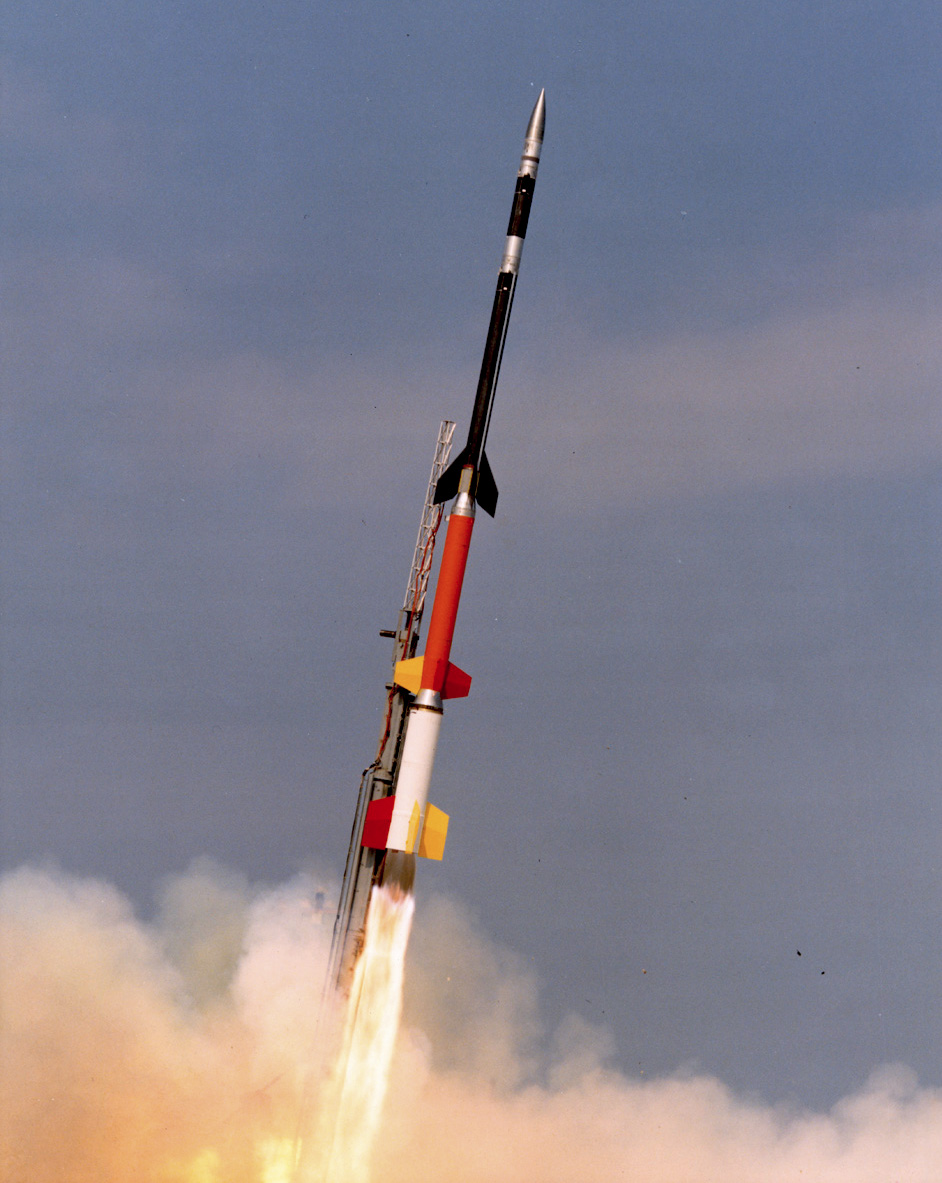
On January 25, 1995, the world had never been so close to nuclear destruction since the Cuban Missile Crisis. At the Andøya Rocket Range in Norway, a group of Norwegian and American scientists launched a Black Brant XII rocket to study the aurora borealis in Svalbard. However, what began as a routine scientific mission turned into a diplomatic nightmare that shook the Kremlin.
The rocket, with four stages of propulsion, soared northward on a very high trajectory—reaching an altitude of 1,453 kilometers. Its trajectory was almost identical to the Trident missiles launched from American submarines. Worse still, its flight path crossed the airspace corridor spanning from the Minuteman III missile bases in North Dakota to Moscow. In the minds of Russian officials still traumatized by the Cold War, this was not a science rocket—it was a nuclear attack.
When the Radar Sounded
At the Russian radar control center, alarms rang. The early warning system detected a fast-moving object coming from the direction of Norway. Data showed it mimicked the flight profile of a Trident missile launched from a submarine—weaponry capable of carrying a nuclear warhead. The duty officers took no risks. Within minutes, the report escalated to the highest level: from the Supreme Commander of the Armed Forces, then to President Boris Yeltsin.
"This was a nerve-wracking moment," said a former KGB officer later. "We had trained for this, but we never expected it to actually happen."
The Nuclear Briefcase Was Opened
In Moscow, the Russian president was startled by an emergency call. A "nuclear briefcase" (Cheget) was brought before him—a device that allowed Yeltsin to launch a nuclear counterattack within minutes. With his heart pounding, Yeltsin had to make a decision: was this a real attack or a mistake?
According to reports, Yeltsin activated the communication protocol with military advisors. They watched the radar screen showing the object getting closer to Russian airspace. Time kept ticking. If the rocket was indeed a nuclear attack, Russia would have only a few minutes to respond before major cities were destroyed.
Tension Reaches Its Peak
For several minutes that felt like centuries, the world depended on the composure of one man. Yeltsin, known for his hot temper, displayed extraordinary self-control. He ordered the military to continue analyzing the rocket's trajectory without launching a counterattack.
"Yeltsin's decision not to retaliate automatically was a lifesaving move," said a military analyst. "If he had been deceived, we might have witnessed the first nuclear exchange since Nagasaki."
Later, Russian officials realized the rocket did not carry a warhead. It was simply a scientific payload to study the northern lights. However, those tense moments left a deep impact on US-Russia relations.
Lessons from the Lack of Communication
The Norwegian rocket incident exposed a major weakness in post-Cold War communication. Norway and the United States had informed Russia about the launch, but the message did not reach the right officials. Rigid bureaucracy and lack of direct communication channels between scientists and Moscow's military almost triggered a disaster.
After the incident, both sides agreed to improve early warning mechanisms. However, this incident continues to serve as a reminder of how fragile global security is. Only a few people know that the world almost ended not because of malicious intent, but due to a misinterpretation of technology.
Legacy of the Norwegian Incident
Today, the 1995 Norwegian incident is often forgotten in the broader narrative of the Cold War. Yet, it is a relevant warning in an era of geopolitical uncertainty. "We are too dependent on automated systems," said a historian. "If humans do not think critically at critical moments, machines can destroy us."
For Yeltsin, it was the greatest test of his leadership. Although he was often criticized for political instability, on that day, he acted as a guardian of peace. The Norwegian rocket eventually landed in Svalbard as planned, bringing valuable scientific data. However, the world will never know how close we came to an unimaginable nuclear chaos.
---
Reference: Norwegian rocket incident — Wikipedia
When Yeltsin Almost Triggered a Nuclear War Because of a Norwegian Rocket. On January 25, 1995, a Norwegian science rocket was mistaken for a nuclear attack by Russia. President Boris Yeltsin held the 'nuclear briefcase' for several critical minutes. Find out how this incident almost caused a global catastrophe after the Cold War.. Moments Before Disaster
On January 25, 1995, the world had never been so close to nuclear destruction since the Cuban Missile Crisis. At the Andøya Rocket Range in Norway, a group of Norwegian and American scientists launched a Black Brant XII rocket to study the aurora borealis in Svalbard. However, what began as a routine scientific mission turned into a diplomatic nightmare that shook the Kremlin.
The rocket, with four stages of propulsion, soared northward on a very high trajectory—reaching an altitude of 1,453 kilometers. Its trajectory was almost identical to the Trident missiles launched from American submarines. Worse still, its flight path crossed the airspace corridor spanning from the Minuteman III missile bases in North Dakota to Moscow. In the minds of Russian officials still traumatized by the Cold War, this was not a science rocket—it was a nuclear attack.
When the Radar Sounded
At the Russian radar control center, alarms rang. The early warning system detected a fast-moving object coming from the direction of Norway. Data showed it mimicked the flight profile of a Trident missile launched from a submarine—weaponry capable of carrying a nuclear warhead. The duty officers took no risks. Within minutes, the report escalated to the highest level: from the Supreme Commander of the Armed Forces, then to President Boris Yeltsin.
"This was a nerve-wracking moment," said a former KGB officer later. "We had trained for this, but we never expected it to actually happen."
The Nuclear Briefcase Was Opened
In Moscow, the Russian president was startled by an emergency call. A "nuclear briefcase" Cheget was brought before him—a device that allowed Yeltsin to launch a nuclear counterattack within minutes. With his heart pounding, Yeltsin had to make a decision: was this a real attack or a mistake?
According to reports, Yeltsin activated the communication protocol with military advisors. They watched the radar screen showing the object getting closer to Russian airspace. Time kept ticking. If the rocket was indeed a nuclear attack, Russia would have only a few minutes to respond before major cities were destroyed.
Tension Reaches Its Peak
For several minutes that felt like centuries, the world depended on the composure of one man. Yeltsin, known for his hot temper, displayed extraordinary self-control. He ordered the military to continue analyzing the rocket's trajectory without launching a counterattack.
"Yeltsin's decision not to retaliate automatically was a lifesaving move," said a military analyst. "If he had been deceived, we might have witnessed the first nuclear exchange since Nagasaki."
Later, Russian officials realized the rocket did not carry a warhead. It was simply a scientific payload to study the northern lights. However, those tense moments left a deep impact on US-Russia relations.
Lessons from the Lack of Communication
The Norwegian rocket incident exposed a major weakness in post-Cold War communication. Norway and the United States had informed Russia about the launch, but the message did not reach the right officials. Rigid bureaucracy and lack of direct communication channels between scientists and Moscow's military almost triggered a disaster.
After the incident, both sides agreed to improve early warning mechanisms. However, this incident continues to serve as a reminder of how fragile global security is. Only a few people know that the world almost ended not because of malicious intent, but due to a misinterpretation of technology.
Legacy of the Norwegian Incident
Today, the 1995 Norwegian incident is often forgotten in the broader narrative of the Cold War. Yet, it is a relevant warning in an era of geopolitical uncertainty. "We are too dependent on automated systems," said a historian. "If humans do not think critically at critical moments, machines can destroy us."
For Yeltsin, it was the greatest test of his leadership. Although he was often criticized for political instability, on that day, he acted as a guardian of peace. The Norwegian rocket eventually landed in Svalbard as planned, bringing valuable scientific data. However, the world will never know how close we came to an unimaginable nuclear chaos.
---
Reference: Norwegian rocket incident — Wikipedia https://en.wikipedia.org/wiki/Norwegian rocket incident