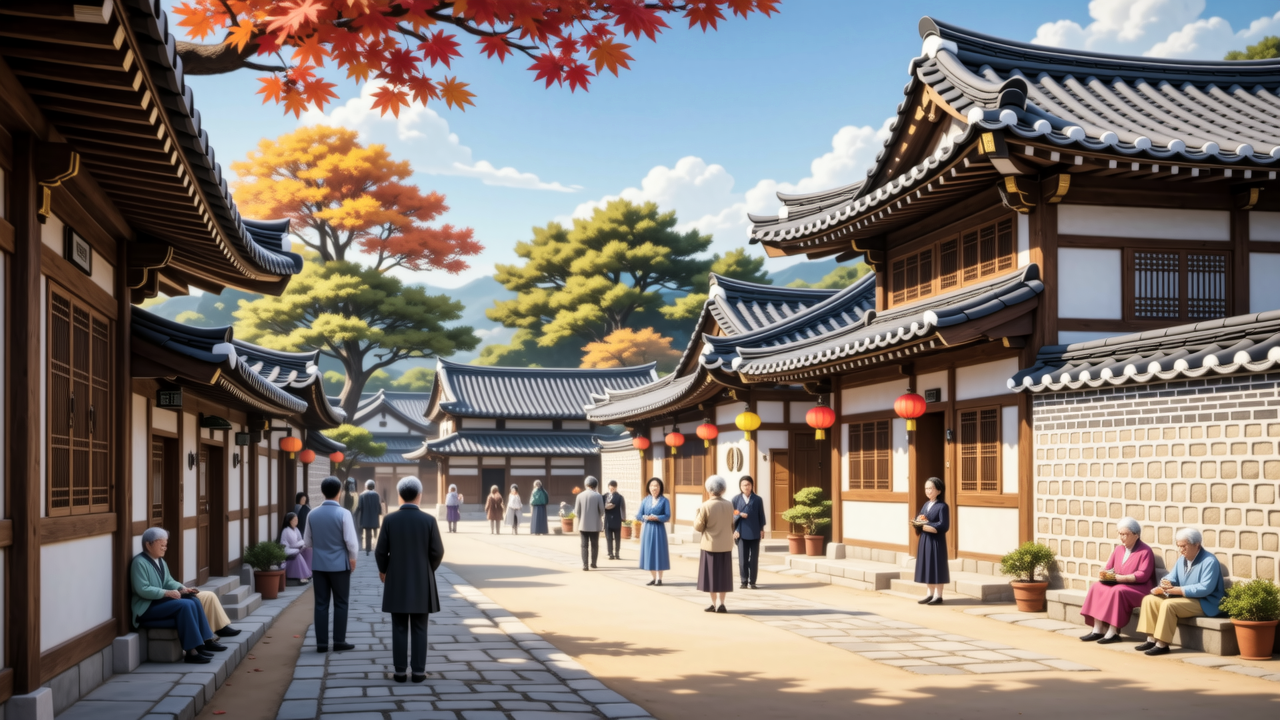
Jeonju, 24 June — In the narrow alleys of Jeonju's Hanok Village, a historic area housing more than 700 traditional Korean houses called hanok, a beautiful transformation is taking place. Once slowly deteriorating due to the tide of modernization, this area has now become one of the most popular tourist destinations in Korea, attracting nearly eight million visitors each year — domestic and international tourists who want to experience and understand traditional Korean architecture and lifestyle.
Hanok, traditional Korean houses designed based on the principles of wind and water or geomancy known as 'feng shui' in its Korean version, are masterpieces of architecture that combine function with beauty. Graceful curved roofs, finely carved wooden pillars, heated ondol floors through hot air channels beneath the floor, and tranquil inner courtyards — every element of hanok has deep meaning and function.
The restoration program carried out by local authorities and the South Korean central government is not just about restoring the exterior of buildings. It involves active participation from original residents still living in the area, traditional woodworkers who have inherited hanok construction techniques, and modern architects seeking a balance between preserving historical authenticity and adding modern amenities needed to make the area comfortable for living.
The Hanok Village area now offers various immersive experiences for tourists. Stay-in hanok programs that have been subtly renovated to provide modern facilities without compromising their traditional aesthetics allow tourists to experience firsthand the lifestyle of ancient Korea. Celadon pottery classes, hanbok clothing classes, and traditional Korean cooking classes add an educational dimension to this travel experience.
The success of the Jeonju model is now a reference for the development of cultural heritage tourism areas throughout Korea and has become an example for many other Asian countries that have rich traditional architectural heritages threatened by the tide of modernization.
Korean Heritage Architecture: Hanok Village Restored as a Premium Cultural Tourism Destination. South Korea has invested heavily in the restoration and preservation of traditional Hanok villages, making them premium cultural tourism destinations that combine historical authenticity with modern convenience.. Jeonju, 24 June — In the narrow alleys of Jeonju's Hanok Village, a historic area housing more than 700 traditional Korean houses called hanok, a beautiful transformation is taking place. Once slowly deteriorating due to the tide of modernization, this area has now become one of the most popular tourist destinations in Korea, attracting nearly eight million visitors each year — domestic and international tourists who want to experience and understand traditional Korean architecture and lifestyle.
Hanok, traditional Korean houses designed based on the principles of wind and water or geomancy known as 'feng shui' in its Korean version, are masterpieces of architecture that combine function with beauty. Graceful curved roofs, finely carved wooden pillars, heated ondol floors through hot air channels beneath the floor, and tranquil inner courtyards — every element of hanok has deep meaning and function.
The restoration program carried out by local authorities and the South Korean central government is not just about restoring the exterior of buildings. It involves active participation from original residents still living in the area, traditional woodworkers who have inherited hanok construction techniques, and modern architects seeking a balance between preserving historical authenticity and adding modern amenities needed to make the area comfortable for living.
The Hanok Village area now offers various immersive experiences for tourists. Stay-in hanok programs that have been subtly renovated to provide modern facilities without compromising their traditional aesthetics allow tourists to experience firsthand the lifestyle of ancient Korea. Celadon pottery classes, hanbok clothing classes, and traditional Korean cooking classes add an educational dimension to this travel experience.
The success of the Jeonju model is now a reference for the development of cultural heritage tourism areas throughout Korea and has become an example for many other Asian countries that have rich traditional architectural heritages threatened by the tide of modernization.