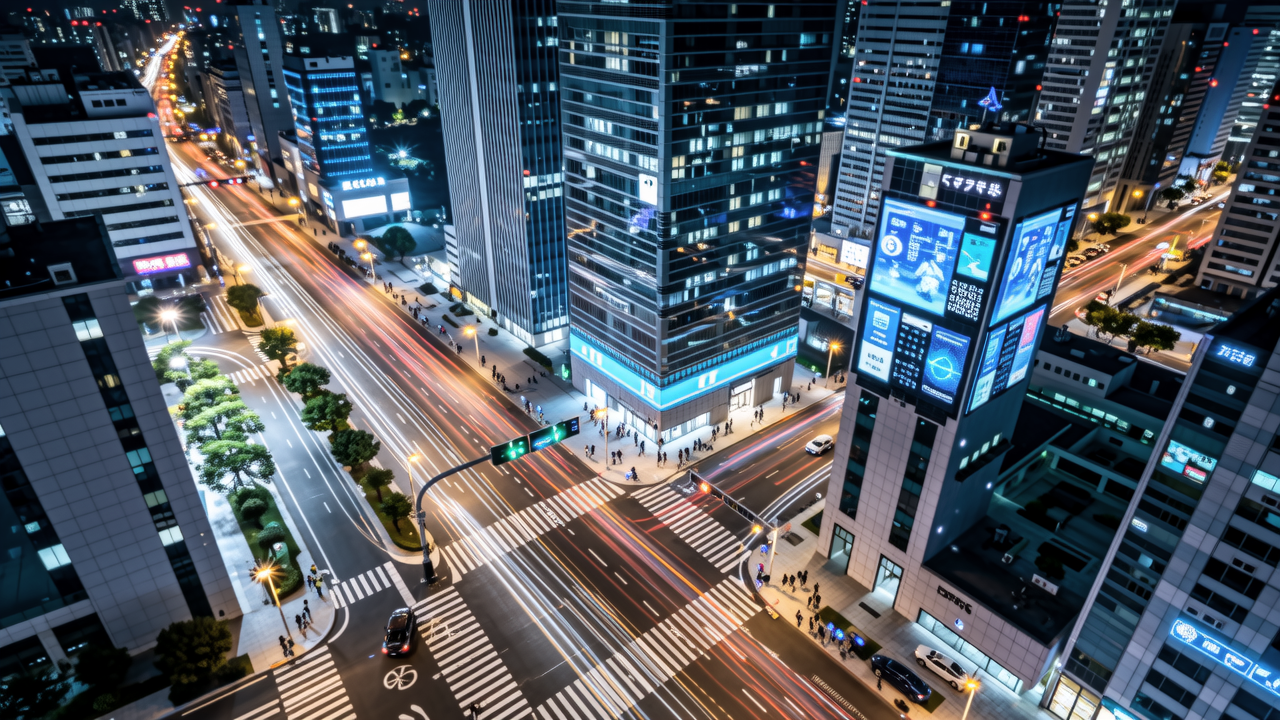
Seoul, 24 June — Seoul, the capital of South Korea with a population of nearly 10 million, can now confidently be called the world's most "smart" city. The Seoul Smart City program, which has been running for several years, has reached an impressive level of technological integration, where almost every aspect of urban management — from traffic management to waste collection, from energy management to emergency services — is optimized by AI systems that continuously learn and evolve.
The Seoul Smart Traffic Management system is the most advanced in the world. Over 2,000 smart CCTV cameras are installed at major intersections, collecting real-time traffic data analyzed by AI systems to dynamically optimize traffic light timing. The result is a 25 percent reduction in average travel time in Seoul over the past two years, a significant achievement in a city known for its traffic congestion.
The Seoul public transportation system, already renowned as one of the best in the world, has been further enhanced with AI integration. AI-based passenger mapping systems installed in LRT and subway stations analyze real-time passenger movement patterns and provide optimal route suggestions that consider current passenger density on each route.
In the solid waste management field, Seoul has implemented a smart waste collection system that uses IoT-enabled trash bins to notify waste collection vehicles when they are full. This replaces the inefficient fixed schedule with an on-demand system that reduces unnecessary collection trips by 30 percent, saving fuel and reducing carbon emissions.
In the field of public safety, the Seoul Smart Surveillance system, which combines CCTV cameras, sound sensors, and AI analysis, is able to detect emergency situations such as fights, accidents, or individuals falling within a very short time, automatically notifying the control center, which then quickly sends assistance.
The Seoul Metropolitan Government is now sharing this experience and technology with other cities around the world through the Seoul Smart City Solutions program, making the capital of Korea not only a model for the world but also an active exporter of smart city solutions.
Seoul Smart City 2026: How the Capital of Korea Becomes the Most Technological City in the World. Seoul is implementing a comprehensive smart city transformation, integrating AI, IoT, and big data into urban management to improve the quality of life for millions of its residents.. Seoul, 24 June — Seoul, the capital of South Korea with a population of nearly 10 million, can now confidently be called the world's most "smart" city. The Seoul Smart City program, which has been running for several years, has reached an impressive level of technological integration, where almost every aspect of urban management — from traffic management to waste collection, from energy management to emergency services — is optimized by AI systems that continuously learn and evolve.
The Seoul Smart Traffic Management system is the most advanced in the world. Over 2,000 smart CCTV cameras are installed at major intersections, collecting real-time traffic data analyzed by AI systems to dynamically optimize traffic light timing. The result is a 25 percent reduction in average travel time in Seoul over the past two years, a significant achievement in a city known for its traffic congestion.
The Seoul public transportation system, already renowned as one of the best in the world, has been further enhanced with AI integration. AI-based passenger mapping systems installed in LRT and subway stations analyze real-time passenger movement patterns and provide optimal route suggestions that consider current passenger density on each route.
In the solid waste management field, Seoul has implemented a smart waste collection system that uses IoT-enabled trash bins to notify waste collection vehicles when they are full. This replaces the inefficient fixed schedule with an on-demand system that reduces unnecessary collection trips by 30 percent, saving fuel and reducing carbon emissions.
In the field of public safety, the Seoul Smart Surveillance system, which combines CCTV cameras, sound sensors, and AI analysis, is able to detect emergency situations such as fights, accidents, or individuals falling within a very short time, automatically notifying the control center, which then quickly sends assistance.
The Seoul Metropolitan Government is now sharing this experience and technology with other cities around the world through the Seoul Smart City Solutions program, making the capital of Korea not only a model for the world but also an active exporter of smart city solutions.