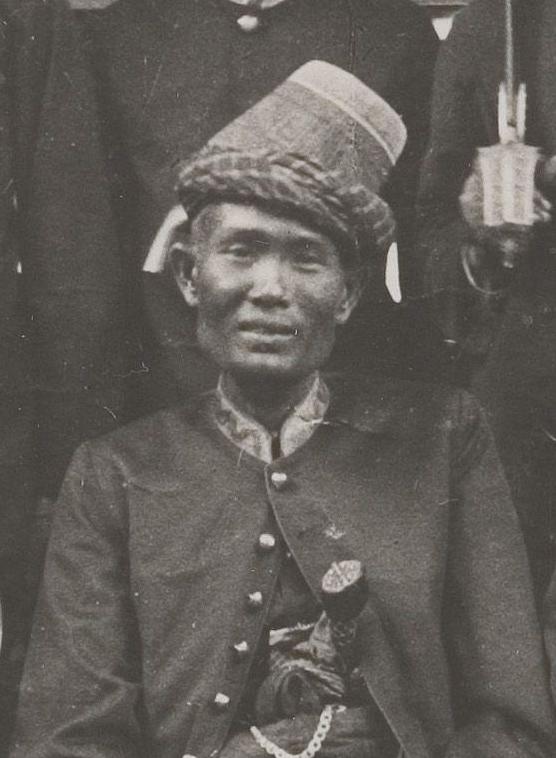
Introduction: The Light of Struggle from Aceh
In the darkness of Dutch colonization in the 19th century, a commander whose name remains revered to this day was born in the land of Serambi Mekah: Teuku Umar. He was not just an ordinary fighter, but an Islamic commander who led a 25-year guerrilla resistance against the colonizers. Every step he took was accompanied by prayer and remarkable military tactics. In the history of Islamic civilization, Teuku Umar is proof that faith and strategy can shake the power of a great colonial force.
Background: The Birth of a Commander
Teuku Umar was born in 1854 in Meulaboh, West Aceh. He came from the Aceh aristocracy—his father, Teuku Ahmad, was a religious scholar and traditional leader. From a young age, Teuku Umar was educated with Islamic values and a spirit of heroism. At a young age, he became involved in the Aceh War that erupted in 1873. When the Dutch attacked the Aceh Sultanate, Teuku Umar immediately joined the ranks of the mujahidin. Soon after, his wisdom and bravery made him one of the main commanders.
Guerrilla Strategy: Infiltration and Attack
One of the unique aspects of Teuku Umar was his flexible approach to warfare. He used highly effective guerrilla tactics in the Acehnese forests and swamps. His forces moved swiftly, attacking Dutch posts before disappearing into the wilderness. More interestingly, Teuku Umar once pretended to cooperate with the Dutch. In 1893, he surrendered and received a rank and weapons from the colonial side. However, this was only a ruse. After obtaining enough weapons and bullets, Teuku Umar returned to the Acehnese side and launched a major attack on the Dutch. This event is known as a 'betrayal'—a brilliant strategy that is admirable in the history of Islamic warfare.
Role of the Wife: Cut Nyak Dhien, the Warrior at the Commander's Side
Teuku Umar did not fight alone. His wife, Cut Nyak Dhien, was a brave female war commander. Together, they led thousands of fighters. Cut Nyak Dhien was not just a companion, but also planned attacks and inspired the troops. When Teuku Umar fell, Cut Nyak Dhien continued the struggle with an unyielding spirit. This shows that in Islamic civilization, women also played a significant role in defending their homeland and religion.
Success and Sacrifice: Martyred in Meulaboh
After years of guerrilla warfare, Teuku Umar finally fell on February 11, 1899. He was killed in a surprise Dutch attack in Meulaboh. His body was buried in the Mugo area, Aceh. Although he had passed away, his legacy lived on. Cut Nyak Dhien led the remaining forces until she was eventually captured and exiled. However, Teuku Umar's spirit never died. In 1973, he was honored as a National Hero of Indonesia, a recognition that matches his struggle.
Islamic Civilization Legacy: A Model of Leadership and Courage
Teuku Umar is an example of an Islamic leader who did not fear worldly power. He showed that resisting colonization is part of jihad fi sabilillah. His strategies and bravery teach us that knowledge, faith, and tactics can overcome the power of weapons. In the context of Islamic civilization, Teuku Umar represents the spirit of resilience and intelligence that is characteristic of true Muslims.
Conclusion: The Light That Never Fades
Today, the name of Teuku Umar is remembered throughout Nusantara. Streets, universities, and monuments have been built in his honor. However, the most important thing is that his spirit continues to inspire the younger generation. Teuku Umar's struggle is not just a story of the past, but a call to continue upholding truth and justice. In every heartbeat of Acehnese fighters, Teuku Umar remains alive.
Source: Wikipedia — Teuku Umar
Reference: Teuku Umar — Wikipedia
Teuku Umar: Aceh's Islamic Commander Who Fought the Dutch for 25 Years. Teuku Umar, an Acehnese war commander, led a guerrilla resistance against the Dutch for a quarter of a century during the Aceh War. With clever strategies and extraordinary bravery, he became a symbol of Islamic resistance in Nusantara. His story ended with his martyrdom in 1899, but his spirit was continued by his wife, Cut Nyak Dhien.. Introduction: The Light of Struggle from Aceh
In the darkness of Dutch colonization in the 19th century, a commander whose name remains revered to this day was born in the land of Serambi Mekah: Teuku Umar. He was not just an ordinary fighter, but an Islamic commander who led a 25-year guerrilla resistance against the colonizers. Every step he took was accompanied by prayer and remarkable military tactics. In the history of Islamic civilization, Teuku Umar is proof that faith and strategy can shake the power of a great colonial force.
Background: The Birth of a Commander
Teuku Umar was born in 1854 in Meulaboh, West Aceh. He came from the Aceh aristocracy—his father, Teuku Ahmad, was a religious scholar and traditional leader. From a young age, Teuku Umar was educated with Islamic values and a spirit of heroism. At a young age, he became involved in the Aceh War that erupted in 1873. When the Dutch attacked the Aceh Sultanate, Teuku Umar immediately joined the ranks of the mujahidin. Soon after, his wisdom and bravery made him one of the main commanders.
Guerrilla Strategy: Infiltration and Attack
One of the unique aspects of Teuku Umar was his flexible approach to warfare. He used highly effective guerrilla tactics in the Acehnese forests and swamps. His forces moved swiftly, attacking Dutch posts before disappearing into the wilderness. More interestingly, Teuku Umar once pretended to cooperate with the Dutch. In 1893, he surrendered and received a rank and weapons from the colonial side. However, this was only a ruse. After obtaining enough weapons and bullets, Teuku Umar returned to the Acehnese side and launched a major attack on the Dutch. This event is known as a 'betrayal'—a brilliant strategy that is admirable in the history of Islamic warfare.
Role of the Wife: Cut Nyak Dhien, the Warrior at the Commander's Side
Teuku Umar did not fight alone. His wife, Cut Nyak Dhien, was a brave female war commander. Together, they led thousands of fighters. Cut Nyak Dhien was not just a companion, but also planned attacks and inspired the troops. When Teuku Umar fell, Cut Nyak Dhien continued the struggle with an unyielding spirit. This shows that in Islamic civilization, women also played a significant role in defending their homeland and religion.
Success and Sacrifice: Martyred in Meulaboh
After years of guerrilla warfare, Teuku Umar finally fell on February 11, 1899. He was killed in a surprise Dutch attack in Meulaboh. His body was buried in the Mugo area, Aceh. Although he had passed away, his legacy lived on. Cut Nyak Dhien led the remaining forces until she was eventually captured and exiled. However, Teuku Umar's spirit never died. In 1973, he was honored as a National Hero of Indonesia, a recognition that matches his struggle.
Islamic Civilization Legacy: A Model of Leadership and Courage
Teuku Umar is an example of an Islamic leader who did not fear worldly power. He showed that resisting colonization is part of jihad fi sabilillah. His strategies and bravery teach us that knowledge, faith, and tactics can overcome the power of weapons. In the context of Islamic civilization, Teuku Umar represents the spirit of resilience and intelligence that is characteristic of true Muslims.
Conclusion: The Light That Never Fades
Today, the name of Teuku Umar is remembered throughout Nusantara. Streets, universities, and monuments have been built in his honor. However, the most important thing is that his spirit continues to inspire the younger generation. Teuku Umar's struggle is not just a story of the past, but a call to continue upholding truth and justice. In every heartbeat of Acehnese fighters, Teuku Umar remains alive.
Source: Wikipedia — Teuku Umar
Reference: Teuku Umar — Wikipedia https://en.wikipedia.org/wiki/Teuku Umar