The Secret Behind the Rubbing: From Good Fortune to Harmful Bacteria
Have you ever seen tourists lining up to rub a statue? Around the world, this practice is not just a habit — it's a modern form of superstition believed to bring good fortune, return to the city, or improve love life. But what drives people to touch public statues? The answer is more complex than just a silly belief.
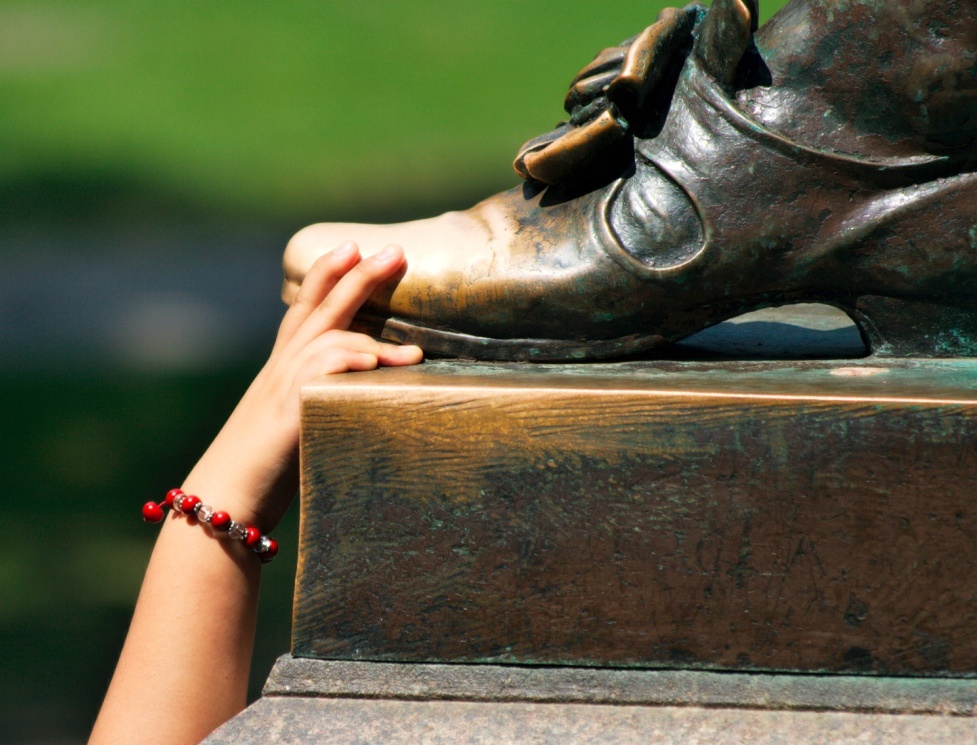
According to Wikipedia, 'statue rubbing' refers to the act of touching a part of a public statue, usually the most prominent or recognizable feature, such as the nose, feet, or chest. In Verona, Italy, the Juliet statue is believed to bring good fortune in love if visitors touch her breasts. In Springfield, Illinois, at the Lincoln Memorial, rubbing the nose of the large Abraham Lincoln statue is believed to bring good fortune. However, behind these beliefs, there is a less pleasant reality: physical erosion, high restoration costs, and the risk of bacterial infection.
Origins and Beliefs: From Ancient Times to the Instagram Era
The practice of rubbing statues may have its roots in ancient pagan beliefs, where statues were seen as intermediaries for supernatural power. In Roman and Greek cultures, people often touched statues of gods to seek blessings. Today, this practice has been adapted by modern tourists, especially on social media, where 'rubbing statues' have become a popular trend.
A notable example is the Lincoln Memorial, where the nose of the Lincoln statue has been rubbed repeatedly, making it smoother than its original state. The belief is that rubbing the nose brings good fortune — but is it really effective? There is no scientific evidence to support this claim. Instead, this practice is more related to human psychology: the desire to control one's fate, even symbolically.
Physical Consequences: Statues 'Damaged' by Touch
What many people are unaware of is that every touch leaves a mark. Oil from skin, sweat, and dust from human hands act as slow-acting erosion agents, gradually destroying the surface of the statue. The Juliet statue in Verona, for example, has experienced erosion on its chest after tens of thousands of touches by tourists. As a result, the original statue had to be replaced with a replica in 2014 for preservation.
At the Lincoln Memorial, the management has reported significant damage to the nose of the statue, which now needs to be cleaned regularly using specialized techniques. Several other monuments, such as the 'Manneken Pis' in Brussels, have also experienced similar issues. Even cities like Paris and London have started posting clear signs prohibiting this practice, but tourists often ignore them, eager to get their 'good fortune'.
Health Risks: More Hazardous Than You Think
In addition to physical consequences, there are health risks that are less well-known. Public statues are often exposed to dirt, urine, and bacteria from animals or humans. According to scientific studies, the surface of the statue can become a breeding ground for bacteria like Staphylococcus aureus and E. coli. Rubbing the statue with unwashed hands can transfer these bacteria to the body, causing skin infections or more serious health problems.
Health experts advise washing hands after touching public statues. However, in the case of statues that are rubbed by thousands of tourists every day, this risk increases. In some places, like the Lincoln Memorial, authorities have issued warnings about the possibility of infection, but this practice continues due to strong superstition.
The Answer: Is It Worth It? The Future of Public Statues
So, is this practice worth continuing? The answer is no. Although it may give a temporary sense of satisfaction, its impact on cultural heritage and health is too great. Restoring damaged statues can cost thousands of dollars, and this cost is ultimately borne by taxpayers. More importantly, these statues are part of a history that needs to be preserved for future generations.
Some cities have taken drastic measures, such as installing replicas at the original site and storing the original statue in a museum. In Verona, the replica of the Juliet statue is now used, while the original is displayed in a closed gallery. This is a compromise that allows tourists to continue interacting without damaging the original.
However, the best step is to change our habits: instead of rubbing statues, we can appreciate their art and history in a more responsible way. Take photos, read their history, and let the statue stand without touching it. After all, true fortune may come from knowledge and respect, not from rubbing hands full of bacteria.
The Mysterious Tradition: Why Tourists Willingly Rub Statues — and What the Consequences Are. The practice of rubbing statues may seem like a common tourist activity, but it is actually an ancient superstition believed to bring good fortune. However, this habit has damaged several famous statues to the point where they had to be replaced with replicas. More surprisingly, it can also cause serious bacterial infections.. The Secret Behind the Rubbing: From Good Fortune to Harmful Bacteria
Have you ever seen tourists lining up to rub a statue? Around the world, this practice is not just a habit — it's a modern form of superstition believed to bring good fortune, return to the city, or improve love life. But what drives people to touch public statues? The answer is more complex than just a silly belief.
According to Wikipedia, 'statue rubbing' refers to the act of touching a part of a public statue, usually the most prominent or recognizable feature, such as the nose, feet, or chest. In Verona, Italy, the Juliet statue is believed to bring good fortune in love if visitors touch her breasts. In Springfield, Illinois, at the Lincoln Memorial, rubbing the nose of the large Abraham Lincoln statue is believed to bring good fortune. However, behind these beliefs, there is a less pleasant reality: physical erosion, high restoration costs, and the risk of bacterial infection.
Origins and Beliefs: From Ancient Times to the Instagram Era
The practice of rubbing statues may have its roots in ancient pagan beliefs, where statues were seen as intermediaries for supernatural power. In Roman and Greek cultures, people often touched statues of gods to seek blessings. Today, this practice has been adapted by modern tourists, especially on social media, where 'rubbing statues' have become a popular trend.
A notable example is the Lincoln Memorial, where the nose of the Lincoln statue has been rubbed repeatedly, making it smoother than its original state. The belief is that rubbing the nose brings good fortune — but is it really effective? There is no scientific evidence to support this claim. Instead, this practice is more related to human psychology: the desire to control one's fate, even symbolically.
Physical Consequences: Statues 'Damaged' by Touch
What many people are unaware of is that every touch leaves a mark. Oil from skin, sweat, and dust from human hands act as slow-acting erosion agents, gradually destroying the surface of the statue. The Juliet statue in Verona, for example, has experienced erosion on its chest after tens of thousands of touches by tourists. As a result, the original statue had to be replaced with a replica in 2014 for preservation.
At the Lincoln Memorial, the management has reported significant damage to the nose of the statue, which now needs to be cleaned regularly using specialized techniques. Several other monuments, such as the 'Manneken Pis' in Brussels, have also experienced similar issues. Even cities like Paris and London have started posting clear signs prohibiting this practice, but tourists often ignore them, eager to get their 'good fortune'.
Health Risks: More Hazardous Than You Think
In addition to physical consequences, there are health risks that are less well-known. Public statues are often exposed to dirt, urine, and bacteria from animals or humans. According to scientific studies, the surface of the statue can become a breeding ground for bacteria like Staphylococcus aureus and E. coli. Rubbing the statue with unwashed hands can transfer these bacteria to the body, causing skin infections or more serious health problems.
Health experts advise washing hands after touching public statues. However, in the case of statues that are rubbed by thousands of tourists every day, this risk increases. In some places, like the Lincoln Memorial, authorities have issued warnings about the possibility of infection, but this practice continues due to strong superstition.
The Answer: Is It Worth It? The Future of Public Statues
So, is this practice worth continuing? The answer is no. Although it may give a temporary sense of satisfaction, its impact on cultural heritage and health is too great. Restoring damaged statues can cost thousands of dollars, and this cost is ultimately borne by taxpayers. More importantly, these statues are part of a history that needs to be preserved for future generations.
Some cities have taken drastic measures, such as installing replicas at the original site and storing the original statue in a museum. In Verona, the replica of the Juliet statue is now used, while the original is displayed in a closed gallery. This is a compromise that allows tourists to continue interacting without damaging the original.
However, the best step is to change our habits: instead of rubbing statues, we can appreciate their art and history in a more responsible way. Take photos, read their history, and let the statue stand without touching it. After all, true fortune may come from knowledge and respect, not from rubbing hands full of bacteria.