Dawn of the Atom in Japan: From a Ray of Hope to Disaster
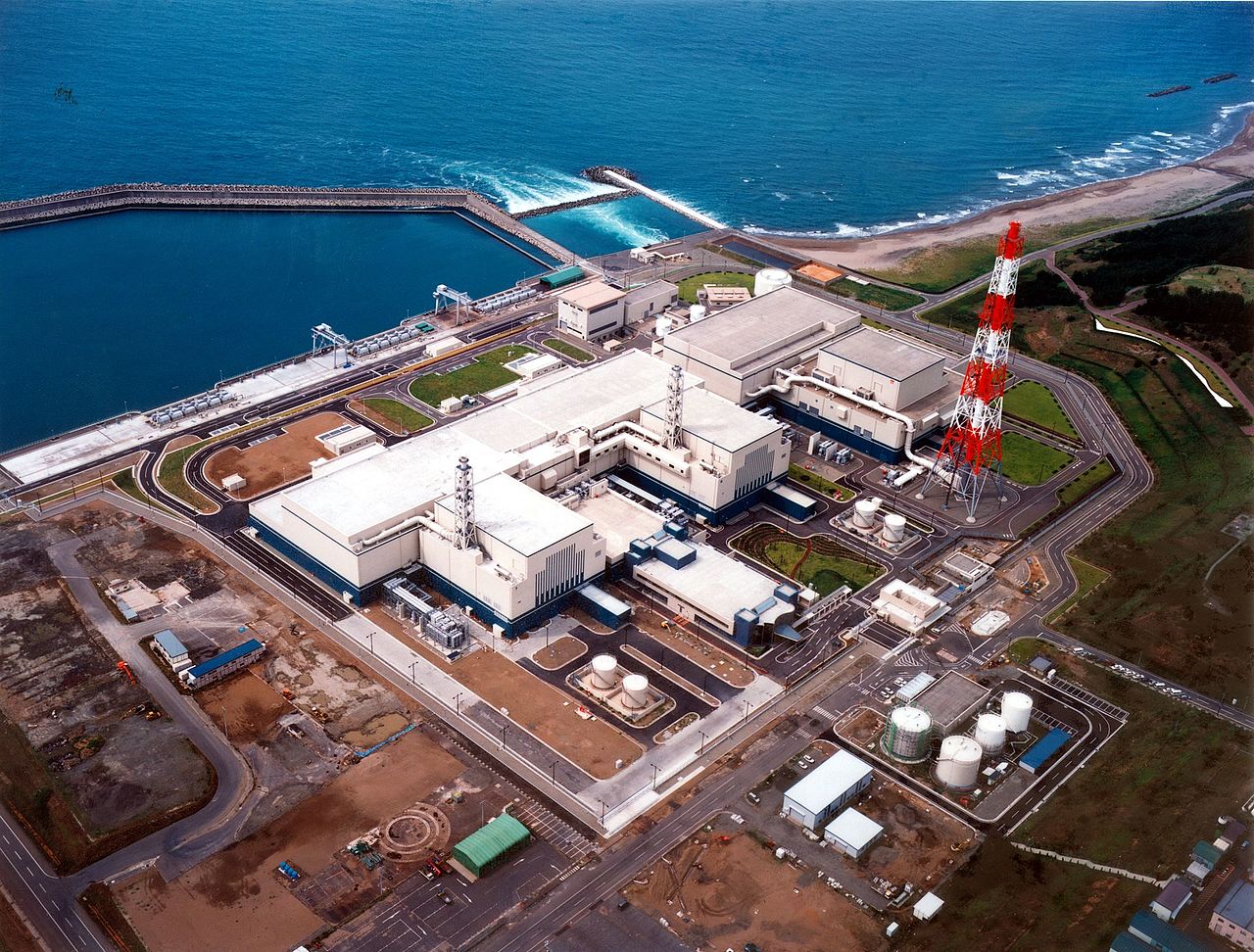
In 1966, Japan began a new era in its energy history—the use of nuclear power to generate electricity. With technology considered clean, efficient, and capable of reducing dependence on foreign oil, nuclear reactors began to flourish across the archipelago. Until early 2011, nearly one-third of the country's entire electricity supply came from 54 operating reactors—a remarkable achievement in the industrial world. However, behind these impressive figures lay subtle cracks that would be shaken by an unstoppable force of nature.
March 11, 2011: When Sky and Sea Were in Turmoil
On a gray Friday, a magnitude 9.0 earthquake—among the strongest ever recorded—shook northeastern Japan. Waves up to 40 meters high then hit the coast, tearing through the defenses of the Fukushima Daiichi nuclear plant. Within hours, cooling systems failed, reactor cores began to melt, and radiation leaked into the air and sea. The disaster not only destroyed the plant but also shattered the Japanese people's confidence in nuclear safety. In the span of a year, the whole country held its breath—every one of the 54 reactors was shut down, one by one. A civilization dependent on atoms had to switch to more expensive and dirtier fossil fuels.
From 54 to 13: The Bitter Reality of Recovery
In November 2024, the map of Japan's nuclear power appears like a wound slowly healing. Of the original 54 reactors, only 33 are considered operable again, and of those, only 13 at six plants are fully operational. As many as 24 reactors have been scheduled for decommissioning or are in the process of being shut down—a silent acknowledgment that some wounds cannot be healed. The rest are undergoing major renovations, reinforced with tsunami barriers, emergency cooling systems, and safer remote control centers. However, every reactor that is restarted must go through the strictest safety screening in history, as well as gain approval from local governments that are often hesitant.
The Shadow of Fukushima Still Haunts
More than a decade after the disaster, public opinion in Japan about nuclear power remains divided. Surveys in June 2011 found over 80 percent of the population opposed nuclear energy; now, the number has decreased but still leaves a deep impact. Many communities are reluctant to accept restarted reactors, fearing a repeat of history. However, with rising costs of imported fossil fuels and promises to reduce carbon emissions, the Japanese government remains determined. The country's 2030 energy targets confidently state that at least 33 reactors will resume operation. The question is: will the Japanese people be willing to pay that price—not in money, but in peace of mind?
Legacy of a Disaster: Lessons Without Borders
Fukushima is not just a national tragedy—it is a warning to the entire world. Japan, once a model of nuclear safety, had to acknowledge that human technology has limits. Now, every reactor being rebuilt carries bitter lessons: that safety is not just procedures, but a culture. A nation that once fell now teaches other nations to rise with greater caution. Like a phoenix flying from ashes, Japan tries to rebuild its nuclear empire—not with arrogance, but with the humility of a nation saved from catastrophe.
Reference: Nuclear power in Japan — Wikipedia
From Ruin to Revival: How Japan Revived Its Nuclear Power After Fukushima?. After the devastating earthquake and tsunami in 2011 that crippled the Fukushima nuclear plant, Japan shut down all 54 of its reactors. Now, 13 of them have resumed operations, but the journey toward nuclear recovery is still shadowed by trauma, controversy, and unresolved safety challenges.. Dawn of the Atom in Japan: From a Ray of Hope to Disaster
In 1966, Japan began a new era in its energy history—the use of nuclear power to generate electricity. With technology considered clean, efficient, and capable of reducing dependence on foreign oil, nuclear reactors began to flourish across the archipelago. Until early 2011, nearly one-third of the country's entire electricity supply came from 54 operating reactors—a remarkable achievement in the industrial world. However, behind these impressive figures lay subtle cracks that would be shaken by an unstoppable force of nature.
March 11, 2011: When Sky and Sea Were in Turmoil
On a gray Friday, a magnitude 9.0 earthquake—among the strongest ever recorded—shook northeastern Japan. Waves up to 40 meters high then hit the coast, tearing through the defenses of the Fukushima Daiichi nuclear plant. Within hours, cooling systems failed, reactor cores began to melt, and radiation leaked into the air and sea. The disaster not only destroyed the plant but also shattered the Japanese people's confidence in nuclear safety. In the span of a year, the whole country held its breath—every one of the 54 reactors was shut down, one by one. A civilization dependent on atoms had to switch to more expensive and dirtier fossil fuels.
From 54 to 13: The Bitter Reality of Recovery
In November 2024, the map of Japan's nuclear power appears like a wound slowly healing. Of the original 54 reactors, only 33 are considered operable again, and of those, only 13 at six plants are fully operational. As many as 24 reactors have been scheduled for decommissioning or are in the process of being shut down—a silent acknowledgment that some wounds cannot be healed. The rest are undergoing major renovations, reinforced with tsunami barriers, emergency cooling systems, and safer remote control centers. However, every reactor that is restarted must go through the strictest safety screening in history, as well as gain approval from local governments that are often hesitant.
The Shadow of Fukushima Still Haunts
More than a decade after the disaster, public opinion in Japan about nuclear power remains divided. Surveys in June 2011 found over 80 percent of the population opposed nuclear energy; now, the number has decreased but still leaves a deep impact. Many communities are reluctant to accept restarted reactors, fearing a repeat of history. However, with rising costs of imported fossil fuels and promises to reduce carbon emissions, the Japanese government remains determined. The country's 2030 energy targets confidently state that at least 33 reactors will resume operation. The question is: will the Japanese people be willing to pay that price—not in money, but in peace of mind?
Legacy of a Disaster: Lessons Without Borders
Fukushima is not just a national tragedy—it is a warning to the entire world. Japan, once a model of nuclear safety, had to acknowledge that human technology has limits. Now, every reactor being rebuilt carries bitter lessons: that safety is not just procedures, but a culture. A nation that once fell now teaches other nations to rise with greater caution. Like a phoenix flying from ashes, Japan tries to rebuild its nuclear empire—not with arrogance, but with the humility of a nation saved from catastrophe.
Reference: Nuclear power in Japan — Wikipedia https://en.wikipedia.org/wiki/Nuclear power in Japan