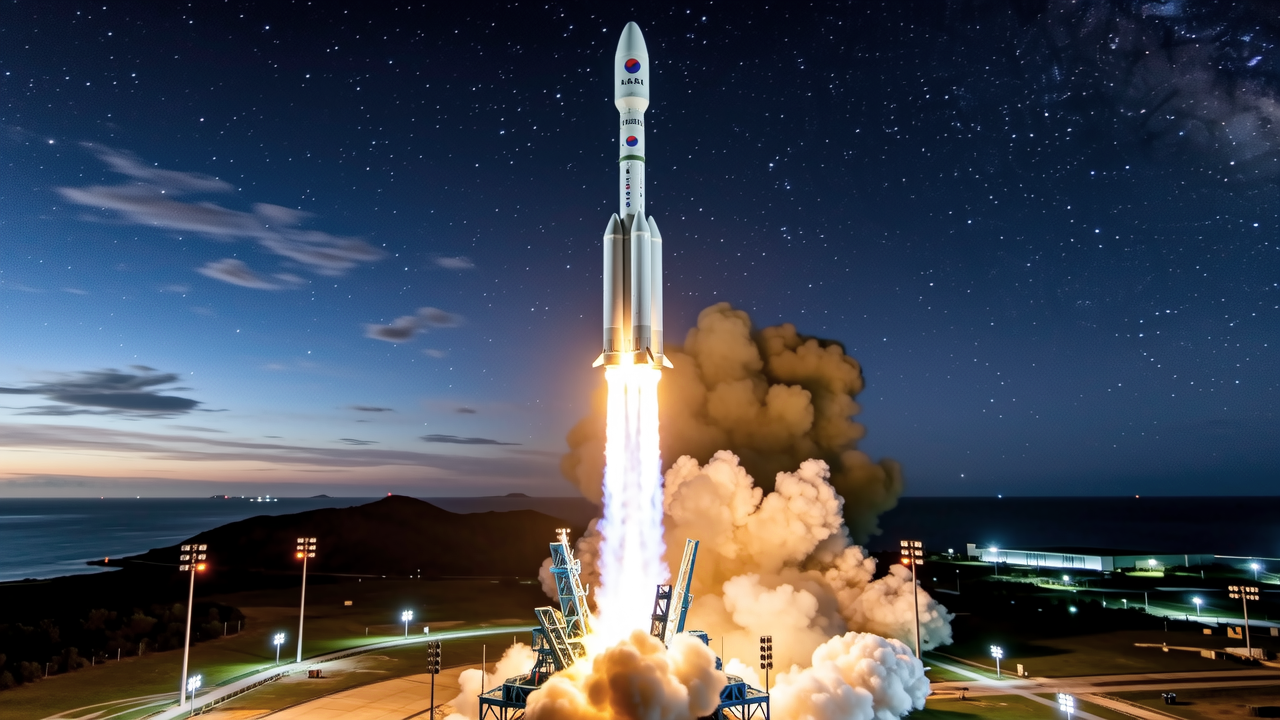
Goheung, 24 Juni — Korea Selatan secara resmi memasuki liga kekuatan ruang angkasa dunia yang terbatas ketika roket Nuri generasi terbaru berhasil diluncurkan dari Pusat Luar Angkasa Naro di Goheung untuk yang keempat kalinya, membawa sembilan satelit ke orbit dengan tepat. Keberhasilan ini menandai kematangan teknologi roket lokal Korea yang sepenuhnya dikembangkan oleh ilmuwan dan insinyur setempat dalam waktu lebih dari dua dekade penelitian dan pengembangan.
Roket Nuri, atau KSLV-II (Korea Space Launch Vehicle-II), adalah pencapaian luar biasa dari segi teknik. Berukuran 47,2 meter dan berat 200 ton, roket ini mampu membawa beban seberat 2,6 ton ke orbit rendah Bumi. Yang paling membanggakan, lebih dari 90 persen komponen-komponen roket ini dikembangkan dan diproduksi di Korea, berbeda dengan banyak program luar angkasa negara lain yang masih bergantung pada teknologi asing untuk bagian-bagian kritis.
Satelit-satelit yang dibawa oleh peluncuran kali ini termasuk satelit pengamatan Bumi beresolusi tinggi yang akan digunakan untuk pemantauan lingkungan, pemetaan pertanian, dan pengawasan keamanan; satelit komunikasi yang akan menyediakan jangkauan internet kecepatan tinggi ke daerah-daerah terpencil Korea; serta beberapa nanosatelit yang dikembangkan oleh universitas-universitas Korea sebagai proyek penelitian.
Program luar angkasa Korea kini melihat ke depan dengan tujuan-tujuan yang lebih ambisius. Korea berencana untuk mendaratkan pesawat tanpa awak di permukaan Bulan menjelang 2032 dan menjadi bagian dari konsorsium internasional yang merancang untuk membangun pangkalan penelitian di Bulan dalam waktu dua dekade mendatang.
Jammu Korea Aerospace Research Institute (KARI) dan perusahaan-perusahaan swasta Korea yang muncul di sektor luar angkasa seperti Innospace dan Perigee Aerospace sedang bekerja untuk mengkomersialkan teknologi roket Korea, menawarkan layanan peluncuran satelit kepada pelanggan internasional dengan harga yang kompetitif. Ini menciptakan industri luar angkasa komersial baru yang diharapkan menghasilkan pendapatan miliar dolar bagi ekonomi Korea.
Korea Selatan Meluncurkan Program Ruang Angkasa Ambisius: Roket Nuri Kesuksesan Keempat. Program ruang angkasa Korea Selatan mencapai pencapaian bersejarah dengan peluncuran keempat roket Nuri yang berhasil membawa satelit-satelit penting ke orbit, memperkuat status Korea sebagai kekuatan ruang angkasa.. Goheung, 24 Juni — Korea Selatan secara resmi memasuki liga kekuatan ruang angkasa dunia yang terbatas ketika roket Nuri generasi terbaru berhasil diluncurkan dari Pusat Luar Angkasa Naro di Goheung untuk yang keempat kalinya, membawa sembilan satelit ke orbit dengan tepat. Keberhasilan ini menandai kematangan teknologi roket lokal Korea yang sepenuhnya dikembangkan oleh ilmuwan dan insinyur setempat dalam waktu lebih dari dua dekade penelitian dan pengembangan.
Roket Nuri, atau KSLV-II Korea Space Launch Vehicle-II , adalah pencapaian luar biasa dari segi teknik. Berukuran 47,2 meter dan berat 200 ton, roket ini mampu membawa beban seberat 2,6 ton ke orbit rendah Bumi. Yang paling membanggakan, lebih dari 90 persen komponen-komponen roket ini dikembangkan dan diproduksi di Korea, berbeda dengan banyak program luar angkasa negara lain yang masih bergantung pada teknologi asing untuk bagian-bagian kritis.
Satelit-satelit yang dibawa oleh peluncuran kali ini termasuk satelit pengamatan Bumi beresolusi tinggi yang akan digunakan untuk pemantauan lingkungan, pemetaan pertanian, dan pengawasan keamanan; satelit komunikasi yang akan menyediakan jangkauan internet kecepatan tinggi ke daerah-daerah terpencil Korea; serta beberapa nanosatelit yang dikembangkan oleh universitas-universitas Korea sebagai proyek penelitian.
Program luar angkasa Korea kini melihat ke depan dengan tujuan-tujuan yang lebih ambisius. Korea berencana untuk mendaratkan pesawat tanpa awak di permukaan Bulan menjelang 2032 dan menjadi bagian dari konsorsium internasional yang merancang untuk membangun pangkalan penelitian di Bulan dalam waktu dua dekade mendatang.
Jammu Korea Aerospace Research Institute KARI dan perusahaan-perusahaan swasta Korea yang muncul di sektor luar angkasa seperti Innospace dan Perigee Aerospace sedang bekerja untuk mengkomersialkan teknologi roket Korea, menawarkan layanan peluncuran satelit kepada pelanggan internasional dengan harga yang kompetitif. Ini menciptakan industri luar angkasa komersial baru yang diharapkan menghasilkan pendapatan miliar dolar bagi ekonomi Korea.