'Mata Siberia': Satu Keajaiban Geologi
Di tengah-tengah kawasan Siberia, Russia yang terkenal dengan kekerasan musim sejuknya, terletaknya sebuah permata alam yang begitu luar biasa sehingga sering dianggap sebagai 'Mata Siberia'. Tasik Baikal bukan sekadar tasik biasa; ia merupakan sebuah monumen semula jadi yang memegang rekod dunia yang amat prestij. Dengan usia dianggarkan antara 25 hingga 30 juta tahun, Baikal diiktiraf sebagai tasik tertua di planet Bumi. Malah, kedalamannya yang mencecah 1,642 meter menjadikannya tasik terdalam di dunia, mengandungi lebih kurang 20 peratus daripada semua air tawar yang tidak beku di permukaan Bumi—lebih banyak daripada jumlah yang terdapat di semua Tasik-tasik Besar di Amerika Utara digabungkan.
Kekristalan Air yang Menakjubkan
Keunikan Baikal tidak berhenti pada usia dan kedalaman semata-mata. Tasik ini juga terkenal dengan ketelusan airnya yang luar biasa. Dalam sesetengah kawasan, airnya begitu jernih sehingga seseorang boleh melihat objek yang terletak sedalam 40 meter dari permukaan. Kekristalan ini berpunca daripada proses penapisan semula jadi oleh organisma mikroskopik yang hidup di dalam tasik tersebut, yang membersihkan air dengan cekap. Namun, adalah pada musim sejuk ketika suhu mencecah sehingga minus 38 darjah Celsius, Baikal bertukar menjadi sebuah dunia fantasi yang mengkagumkan.
Seni Bina Ais: Formasi Turquoise yang Sakti
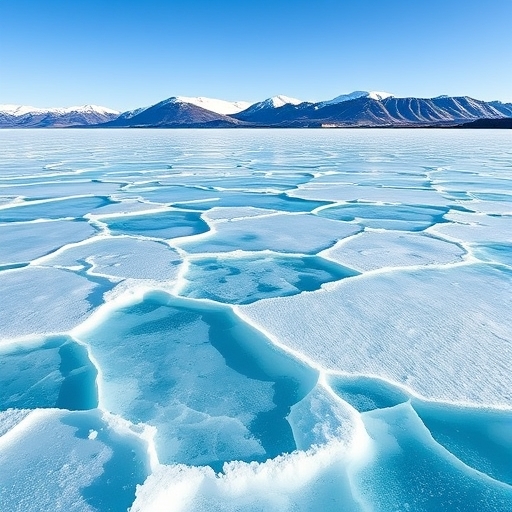
Apabila musim sejuk tiba, permukaan Tasik Baikal membeku, namun ia tidak membentuk blok ais putih yang kasar seperti kebanyakan tasik lain. Sebaliknya, ia menghasilkan lapisan ais yang lutsinar dan stabil. Fenomena yang paling memukau para pelancong dan ahli fotografi ialah penampilan formasi ais berwarna turquoise atau biru zamrud yang berkilauan di bawah cahaya matahari.
Warna biru ini berlaku akibat daripada struktur ais yang telus; apabila cahaya matahari menembusi ais tulen tersebut, spektrum cahaya yang berfrekuensi rendah seperti merah diserap, manakala cahaya biru dipantulkan ke mata kita. Hasilnya adalah pemandangan yang seolah-olah sedang memandang ke permukaan kaca biru yang diukir oleh tangan-tangan halus alam semula jadi.
Perangkap Masa: Gelembung Metana Beku
Satu lagi fenomena yang menjadikan Tasik Baikal unik ialah kehadiran gelembung metana yang kelihatan 'terperangkap' di bawah lapisan ais. Di dasar tasik, tumbuhan dan organisma mati mengurai dan membebaskan gas metana. Semasa musim panas, gas ini naik ke permukaan dan melepaskan diri ke udara. Namun, pada musim sejuk, apabila tasik membeku dengan cepat, gelembung-gelembung gas ini terperangkap di tengah-tengah lapisan ais ketika sedang naik ke permukaan.
Pemandangan ini mencipta corak yang menyerupai tetingkap kaca berwarna (stained glass) atau deretan manik-manik permata putih yang digantung dalam jernihnya ais. Ia adalah peringatan visual mengenai proses geopolitik dan biologi yang berlaku di dasar tasik yang gelap gelita. Walaupun cantik dipandang, gelembung metana ini juga menjadi tanda kepada para saintis mengenai perubahan iklim dan pembebasan gas rumah hijau.
Kesimpulan
Tasik Baikal adalah sebuah bukti nyata kekuatan dan keindahan Bumi. Daripada sejarah geologinya yang purba kepada keindahan artistik ais beku dan gelembung metananya, ia kekal sebagai sebuah destinasi yang mempersonakan. Bagi sesiapa yang mencari keajaiban alam yang melangkaui imaginasi, 'Mata Siberia' ini menanti untuk dijelajahi.
Permata Siberia: Mengungkap Misteri Tasik Terdalam dan Tertua di Bumi, Baikal. Tersembunyi di jantung padang tundra Siberia yang sejuk, Tasik Baikal bukan sekadar sebuah jasad air, tetapi sebuah keajaiban geologi yang memegang pelbagai rekod dunia. Artikel ini membawa anda menyelami kedalaman tasik tertua di Bumi, mengagumi formasi ais turquoise yang mempesonakan, serta menyingkap rahsia gelembung metana yang terperangkap dalam masa.. 'Mata Siberia': Satu Keajaiban Geologi
Di tengah-tengah kawasan Siberia, Russia yang terkenal dengan kekerasan musim sejuknya, terletaknya sebuah permata alam yang begitu luar biasa sehingga sering dianggap sebagai 'Mata Siberia'. Tasik Baikal bukan sekadar tasik biasa; ia merupakan sebuah monumen semula jadi yang memegang rekod dunia yang amat prestij. Dengan usia dianggarkan antara 25 hingga 30 juta tahun, Baikal diiktiraf sebagai tasik tertua di planet Bumi. Malah, kedalamannya yang mencecah 1,642 meter menjadikannya tasik terdalam di dunia, mengandungi lebih kurang 20 peratus daripada semua air tawar yang tidak beku di permukaan Bumi—lebih banyak daripada jumlah yang terdapat di semua Tasik-tasik Besar di Amerika Utara digabungkan.
Kekristalan Air yang Menakjubkan
Keunikan Baikal tidak berhenti pada usia dan kedalaman semata-mata. Tasik ini juga terkenal dengan ketelusan airnya yang luar biasa. Dalam sesetengah kawasan, airnya begitu jernih sehingga seseorang boleh melihat objek yang terletak sedalam 40 meter dari permukaan. Kekristalan ini berpunca daripada proses penapisan semula jadi oleh organisma mikroskopik yang hidup di dalam tasik tersebut, yang membersihkan air dengan cekap. Namun, adalah pada musim sejuk ketika suhu mencecah sehingga minus 38 darjah Celsius, Baikal bertukar menjadi sebuah dunia fantasi yang mengkagumkan.
Seni Bina Ais: Formasi Turquoise yang Sakti
Apabila musim sejuk tiba, permukaan Tasik Baikal membeku, namun ia tidak membentuk blok ais putih yang kasar seperti kebanyakan tasik lain. Sebaliknya, ia menghasilkan lapisan ais yang lutsinar dan stabil. Fenomena yang paling memukau para pelancong dan ahli fotografi ialah penampilan formasi ais berwarna turquoise atau biru zamrud yang berkilauan di bawah cahaya matahari.
Warna biru ini berlaku akibat daripada struktur ais yang telus; apabila cahaya matahari menembusi ais tulen tersebut, spektrum cahaya yang berfrekuensi rendah seperti merah diserap, manakala cahaya biru dipantulkan ke mata kita. Hasilnya adalah pemandangan yang seolah-olah sedang memandang ke permukaan kaca biru yang diukir oleh tangan-tangan halus alam semula jadi.
Perangkap Masa: Gelembung Metana Beku
Satu lagi fenomena yang menjadikan Tasik Baikal unik ialah kehadiran gelembung metana yang kelihatan 'terperangkap' di bawah lapisan ais. Di dasar tasik, tumbuhan dan organisma mati mengurai dan membebaskan gas metana. Semasa musim panas, gas ini naik ke permukaan dan melepaskan diri ke udara. Namun, pada musim sejuk, apabila tasik membeku dengan cepat, gelembung-gelembung gas ini terperangkap di tengah-tengah lapisan ais ketika sedang naik ke permukaan.
Pemandangan ini mencipta corak yang menyerupai tetingkap kaca berwarna stained glass atau deretan manik-manik permata putih yang digantung dalam jernihnya ais. Ia adalah peringatan visual mengenai proses geopolitik dan biologi yang berlaku di dasar tasik yang gelap gelita. Walaupun cantik dipandang, gelembung metana ini juga menjadi tanda kepada para saintis mengenai perubahan iklim dan pembebasan gas rumah hijau.
Kesimpulan
Tasik Baikal adalah sebuah bukti nyata kekuatan dan keindahan Bumi. Daripada sejarah geologinya yang purba kepada keindahan artistik ais beku dan gelembung metananya, ia kekal sebagai sebuah destinasi yang mempersonakan. Bagi sesiapa yang mencari keajaiban alam yang melangkaui imaginasi, 'Mata Siberia' ini menanti untuk dijelajahi.