What Was the Windscale Fire and Why Is It Important?
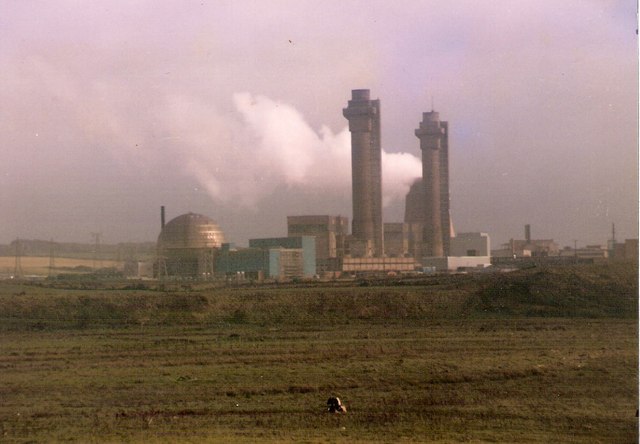
The Windscale fire, or the Windscale fire, occurred on October 10, 1957, and was the worst nuclear accident in the history of the United Kingdom. The incident took place at Unit 1 of two nuclear reactors at the Windscale site (now known as Sellafield) on the northwest coast of England, Cumberland. These reactors, called "piles" at the time, were built as part of the British atomic bomb project after World War II. Pile No. 1 began operating in October 1950, followed by Pile No. 2 in June 1951. The fire lasted for three days and released radioactive material that spread throughout the UK and Europe. The severity of the incident was rated at Level 5 (out of 7) on the International Nuclear Event Scale (INES), making it one of the most serious nuclear accidents in the world at that time.
How Did This Fire Happen?
The Windscale reactor was a graphite reactor cooled by air. On that day, the operating crew was performing a reheating (annealing) procedure to release the energy accumulated in the reactor's graphite. This process involved controlled heating of the graphite, but on October 10, the temperature increased uncontrollably. The temperature in the reactor core rose rapidly, causing the graphite to catch fire. The reactor did not have an adequate emergency cooling system, and the fire spread quickly. The fire destroyed the uranium fuel and produced radioactive smoke that rose into the atmosphere. Efforts to extinguish the fire using carbon dioxide failed, and eventually, the crew used water — a risky move because water could cause an explosion if it came into contact with molten uranium. Fortunately, water managed to put out the fire after three days.
What Radioactive Materials Were Released?
The Windscale fire released various radioactive isotopes into the environment. At the time, the most concerning was iodine-131, a radioactive isotope that can cause thyroid cancer. The release of iodine-131 was so high that authorities banned the sale of milk from farms in the surrounding area. However, subsequent research revealed that a small but significant amount of polonium-210 — a highly dangerous isotope — was also released. Polonium-210 is a radioactive toxin that can cause lung cancer if inhaled. Other releases included cesium-137 and strontium-90, which can remain in the environment for long periods. The amount of radioactive material released was equivalent to a few percent of the release from Chernobyl in 1986, but its impact was still significant.
How Many People Were Affected by This Fire?
The long-term health effects of the Windscale fire are still debated. Early estimates based on the amount of radiation released suggested that the accident may have caused about 190 cancer cases, with around 100 of them resulting in death. However, recent epidemiological studies found that the actual number of cancer cases may be lower, as many residents in the area did not experience a significant increase in cancer risk compared to the general population. Nevertheless, the psychological and social effects were significant — the incident undermined public trust in nuclear safety and caused ongoing debates to this day. Radiation exposure also increased health risks for reactor workers and local residents, although long-term data is limited.
What Happened After the Fire?
After the fire, the Windscale Pile No. 1 was permanently closed. Pile No. 2 was also shut down in the same year, even though it was not involved in the fire. The Windscale site was later renamed Sellafield and continued to be used for nuclear fuel reprocessing, but this incident led to major changes in UK nuclear policy. Nuclear reactor safety was tightened, and emergency protocols were improved. However, the legacy of the Windscale fire is a bitter lesson: it showed that unsafe reactor designs and lack of safety measures can lead to disaster. This incident also spurred more in-depth research on the effects of radiation and health risks, shaping global nuclear policies in the following decades.
Has the Windscale Fire Been Forgotten?
No, the Windscale fire remains a subject of study and debate in the scientific and historical communities. Although it is not as well-known as Chernobyl or Fukushima, its importance cannot be ignored. It serves as a reminder of the risks involved in nuclear energy and how procedural failures and design flaws can lead to disasters. For local residents, the incident left a deep impact, and to this day, the former reactor site is still monitored for radiation. Ongoing studies on the long-term health of Windscale victims help us understand the effects of radiation on humans. In addition, this incident became the basis for the development of stricter nuclear safety standards in the UK and around the world.
Reference: Windscale fire — Wikipedia
Nuclear Reactor Caught Fire for 3 Days in England: What Actually Happened?. On October 10, 1957, the United Kingdom experienced its worst nuclear disaster in history when the Windscale reactor burned for three days. Radioactive release contaminated all of Europe, and its effects are still debated. To this day, experts continue to study how many cancer cases were caused by the fire. This article answers the main questions often asked about this tragedy.. What Was the Windscale Fire and Why Is It Important?
The Windscale fire, or the Windscale fire, occurred on October 10, 1957, and was the worst nuclear accident in the history of the United Kingdom. The incident took place at Unit 1 of two nuclear reactors at the Windscale site now known as Sellafield on the northwest coast of England, Cumberland. These reactors, called "piles" at the time, were built as part of the British atomic bomb project after World War II. Pile No. 1 began operating in October 1950, followed by Pile No. 2 in June 1951. The fire lasted for three days and released radioactive material that spread throughout the UK and Europe. The severity of the incident was rated at Level 5 out of 7 on the International Nuclear Event Scale INES , making it one of the most serious nuclear accidents in the world at that time.
How Did This Fire Happen?
The Windscale reactor was a graphite reactor cooled by air. On that day, the operating crew was performing a reheating annealing procedure to release the energy accumulated in the reactor's graphite. This process involved controlled heating of the graphite, but on October 10, the temperature increased uncontrollably. The temperature in the reactor core rose rapidly, causing the graphite to catch fire. The reactor did not have an adequate emergency cooling system, and the fire spread quickly. The fire destroyed the uranium fuel and produced radioactive smoke that rose into the atmosphere. Efforts to extinguish the fire using carbon dioxide failed, and eventually, the crew used water — a risky move because water could cause an explosion if it came into contact with molten uranium. Fortunately, water managed to put out the fire after three days.
What Radioactive Materials Were Released?
The Windscale fire released various radioactive isotopes into the environment. At the time, the most concerning was iodine-131, a radioactive isotope that can cause thyroid cancer. The release of iodine-131 was so high that authorities banned the sale of milk from farms in the surrounding area. However, subsequent research revealed that a small but significant amount of polonium-210 — a highly dangerous isotope — was also released. Polonium-210 is a radioactive toxin that can cause lung cancer if inhaled. Other releases included cesium-137 and strontium-90, which can remain in the environment for long periods. The amount of radioactive material released was equivalent to a few percent of the release from Chernobyl in 1986, but its impact was still significant.
How Many People Were Affected by This Fire?
The long-term health effects of the Windscale fire are still debated. Early estimates based on the amount of radiation released suggested that the accident may have caused about 190 cancer cases, with around 100 of them resulting in death. However, recent epidemiological studies found that the actual number of cancer cases may be lower, as many residents in the area did not experience a significant increase in cancer risk compared to the general population. Nevertheless, the psychological and social effects were significant — the incident undermined public trust in nuclear safety and caused ongoing debates to this day. Radiation exposure also increased health risks for reactor workers and local residents, although long-term data is limited.
What Happened After the Fire?
After the fire, the Windscale Pile No. 1 was permanently closed. Pile No. 2 was also shut down in the same year, even though it was not involved in the fire. The Windscale site was later renamed Sellafield and continued to be used for nuclear fuel reprocessing, but this incident led to major changes in UK nuclear policy. Nuclear reactor safety was tightened, and emergency protocols were improved. However, the legacy of the Windscale fire is a bitter lesson: it showed that unsafe reactor designs and lack of safety measures can lead to disaster. This incident also spurred more in-depth research on the effects of radiation and health risks, shaping global nuclear policies in the following decades.
Has the Windscale Fire Been Forgotten?
No, the Windscale fire remains a subject of study and debate in the scientific and historical communities. Although it is not as well-known as Chernobyl or Fukushima, its importance cannot be ignored. It serves as a reminder of the risks involved in nuclear energy and how procedural failures and design flaws can lead to disasters. For local residents, the incident left a deep impact, and to this day, the former reactor site is still monitored for radiation. Ongoing studies on the long-term health of Windscale victims help us understand the effects of radiation on humans. In addition, this incident became the basis for the development of stricter nuclear safety standards in the UK and around the world.
Reference: Windscale fire — Wikipedia https://en.wikipedia.org/wiki/Windscale fire