🌍 Global coverage 24/7 • 🏯 East Asia: China, Japan, Korea • 🛕 South Asia: India • 🏰 Europe • 🗽 Americas • 🌍 Africa • 🕌 Middle East • 🇵🇸 Palestine Solidarity •
This article is a translation from the original language.
🏥 Health
12 Benefits of Betel Leaves for Health and How to Use Them
Betel leaves contain various nutrients and bioactive compounds that contribute to health benefits such as reducing vaginal discharge, eliminating bad breath, and lowering blood sugar; this article explores 12 main uses and safe preparation methods.
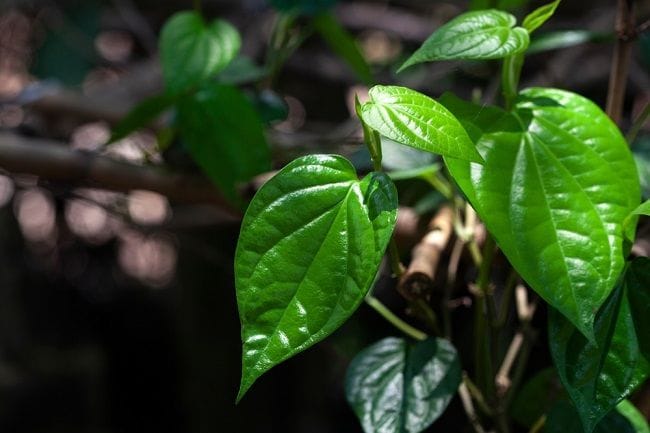
Betel leaves (Piper betle) are a climbing herb commonly found in homes and gardens in Indonesia and other Nusantara countries. In addition to their use as wrapping material in traditional food, these leaves have long been used in traditional medicine due to their antiseptic, antibacterial, and anti-inflammatory properties. The two main varieties - green betel leaves and red betel leaves - have different colors but similar chemical compositions, making them a wide source of health benefits.
Nutritional Content and Active Compounds
Betel leaves are rich in protein, vitamin A, vitamin B1, vitamin B2, nicotinic acid, iodine, sodium, and essential oils. In addition, they contain important antioxidants such as flavonoids, alkaloids, saponins, polyphenols, and tannins. This combination of nutrients and compounds contributes to the reported antiseptic, antibacterial, antifungal, and anti-inflammatory effects in various laboratory studies.
12 Benefits of Betel Leaves
Reducing vaginal discharge – The antifungal and antiseptic properties of betel leaves can inhibit the growth of Candida albicans and bacteria causing vaginal discharge. Using boiled water to clean the genital area regularly has proven to help reduce symptoms.
Eliminating bad breath – The essential oils in betel leaves kill bacteria causing bad breath. Rinsing with boiled water regularly can maintain fresh breath.
Treating oral fungal infections – The antifungal properties of betel leaves help fight oral candidiasis. Using a boiled solution as a mouth rinse can relieve symptoms.
Treating cough – Boiled betel leaf water has antibacterial and antioxidant effects that soothe inflammation in the respiratory tract, making coughs less severe.
Relieving itching – Essential oils with anti-inflammatory properties help reduce itching caused by allergies, mosquito bites, or skin infections like tinea versicolor.
Accelerating wound healing – Saponins, tannins, flavonoids, and alkaloids accelerate the formation of new tissue, making wounds close faster.
Brightening skin – Compounds that inhibit tyrosinase enzymes reduce melanin production, helping the skin appear brighter.
Treating acne – Antibacterial properties against Propionibacterium acnes help reduce acne when used in skincare products.
Relieving joint inflammation – Flavonoids, tannins, saponins, and alkaloids have anti-inflammatory effects that can reduce pain in arthritis.
Lowering blood sugar levels – Tannins, flavonoids, and alkaloids help regenerate pancreatic cells and increase insulin sensitivity, contributing to glucose control in diabetic patients. The use of boiled water should be considered as a supplement, not a replacement for medication.
Treating red eyes – Phenols, tannins, flavonoids, and saponins have antibacterial properties that help fight conjunctivitis infections.
Stopping nosebleeds – Tannins speed up blood clotting and help heal damaged nasal passages, reducing the occurrence of nosebleeds.
Preparation and Usage Methods
Boiling betel leaves – Wash several betel leaves thoroughly, boil them with 500 ml of water until boiling. Let it cool before use.
Mouth rinsing – Use 100 ml of boiled water, rinse 2–3 times a day, especially after meals.
Genital washing – For vaginal discharge, use boiled water to wash the vaginal area up to twice a day. Avoid prolonged use as it may disrupt the natural balance of flora.
Drinking the boiled water – 1–2 cups a day can help control blood sugar levels or relieve coughs. Add ginger or lemongrass to improve the taste.
Topical application – Apply the boiled water on wounds, rashes, or itchy areas with a clean cotton pad. Let it dry naturally.
Warnings and Conclusion
Although betel leaves have many benefits, their use must be cautious. Excessive or long-term use in the genital area can disrupt the natural pH and healthy bacterial flora. Individuals taking blood thinners, antidiabetic medications, or those allergic to Piperaceae are advised to consult a healthcare professional before starting treatment based on betel leaves. Further clinical studies are still needed to confirm effectiveness and long-term safety.
With proper understanding and responsible use, betel leaves can become a valuable addition to daily health care routines.
12 Benefits of Betel Leaves for Health and How to Use Them. Betel leaves contain various nutrients and bioactive compounds that contribute to health benefits such as reducing vaginal discharge, eliminating bad breath, and lowering blood sugar; this article explores 12 main uses and safe preparation methods.. Introduction
Betel leaves Piper betle are a climbing herb commonly found in homes and gardens in Indonesia and other Nusantara countries. In addition to their use as wrapping material in traditional food, these leaves have long been used in traditional medicine due to their antiseptic, antibacterial, and anti-inflammatory properties. The two main varieties - green betel leaves and red betel leaves - have different colors but similar chemical compositions, making them a wide source of health benefits.
Nutritional Content and Active Compounds
Betel leaves are rich in protein, vitamin A, vitamin B1, vitamin B2, nicotinic acid, iodine, sodium, and essential oils. In addition, they contain important antioxidants such as flavonoids, alkaloids, saponins, polyphenols, and tannins. This combination of nutrients and compounds contributes to the reported antiseptic, antibacterial, antifungal, and anti-inflammatory effects in various laboratory studies.
12 Benefits of Betel Leaves
1. Reducing vaginal discharge – The antifungal and antiseptic properties of betel leaves can inhibit the growth of Candida albicans and bacteria causing vaginal discharge. Using boiled water to clean the genital area regularly has proven to help reduce symptoms.
2. Eliminating bad breath – The essential oils in betel leaves kill bacteria causing bad breath. Rinsing with boiled water regularly can maintain fresh breath.
3. Treating oral fungal infections – The antifungal properties of betel leaves help fight oral candidiasis. Using a boiled solution as a mouth rinse can relieve symptoms.
4. Treating cough – Boiled betel leaf water has antibacterial and antioxidant effects that soothe inflammation in the respiratory tract, making coughs less severe.
5. Relieving itching – Essential oils with anti-inflammatory properties help reduce itching caused by allergies, mosquito bites, or skin infections like tinea versicolor.
6. Accelerating wound healing – Saponins, tannins, flavonoids, and alkaloids accelerate the formation of new tissue, making wounds close faster.
7. Brightening skin – Compounds that inhibit tyrosinase enzymes reduce melanin production, helping the skin appear brighter.
8. Treating acne – Antibacterial properties against Propionibacterium acnes help reduce acne when used in skincare products.
9. Relieving joint inflammation – Flavonoids, tannins, saponins, and alkaloids have anti-inflammatory effects that can reduce pain in arthritis.
10. Lowering blood sugar levels – Tannins, flavonoids, and alkaloids help regenerate pancreatic cells and increase insulin sensitivity, contributing to glucose control in diabetic patients. The use of boiled water should be considered as a supplement, not a replacement for medication.
11. Treating red eyes – Phenols, tannins, flavonoids, and saponins have antibacterial properties that help fight conjunctivitis infections.
12. Stopping nosebleeds – Tannins speed up blood clotting and help heal damaged nasal passages, reducing the occurrence of nosebleeds.
Preparation and Usage Methods
1. Boiling betel leaves – Wash several betel leaves thoroughly, boil them with 500 ml of water until boiling. Let it cool before use.
2. Mouth rinsing – Use 100 ml of boiled water, rinse 2–3 times a day, especially after meals.
3. Genital washing – For vaginal discharge, use boiled water to wash the vaginal area up to twice a day. Avoid prolonged use as it may disrupt the natural balance of flora.
4. Drinking the boiled water – 1–2 cups a day can help control blood sugar levels or relieve coughs. Add ginger or lemongrass to improve the taste.
5. Topical application – Apply the boiled water on wounds, rashes, or itchy areas with a clean cotton pad. Let it dry naturally.
Warnings and Conclusion
Although betel leaves have many benefits, their use must be cautious. Excessive or long-term use in the genital area can disrupt the natural pH and healthy bacterial flora. Individuals taking blood thinners, antidiabetic medications, or those allergic to Piperaceae are advised to consult a healthcare professional before starting treatment based on betel leaves. Further clinical studies are still needed to confirm effectiveness and long-term safety.
With proper understanding and responsible use, betel leaves can become a valuable addition to daily health care routines.
---
Original source: alodokter.com https://www.alodokter.com/12-manfaat-daun-sirih-untuk-kesehatan