Positif
AI
Baca 30 saat
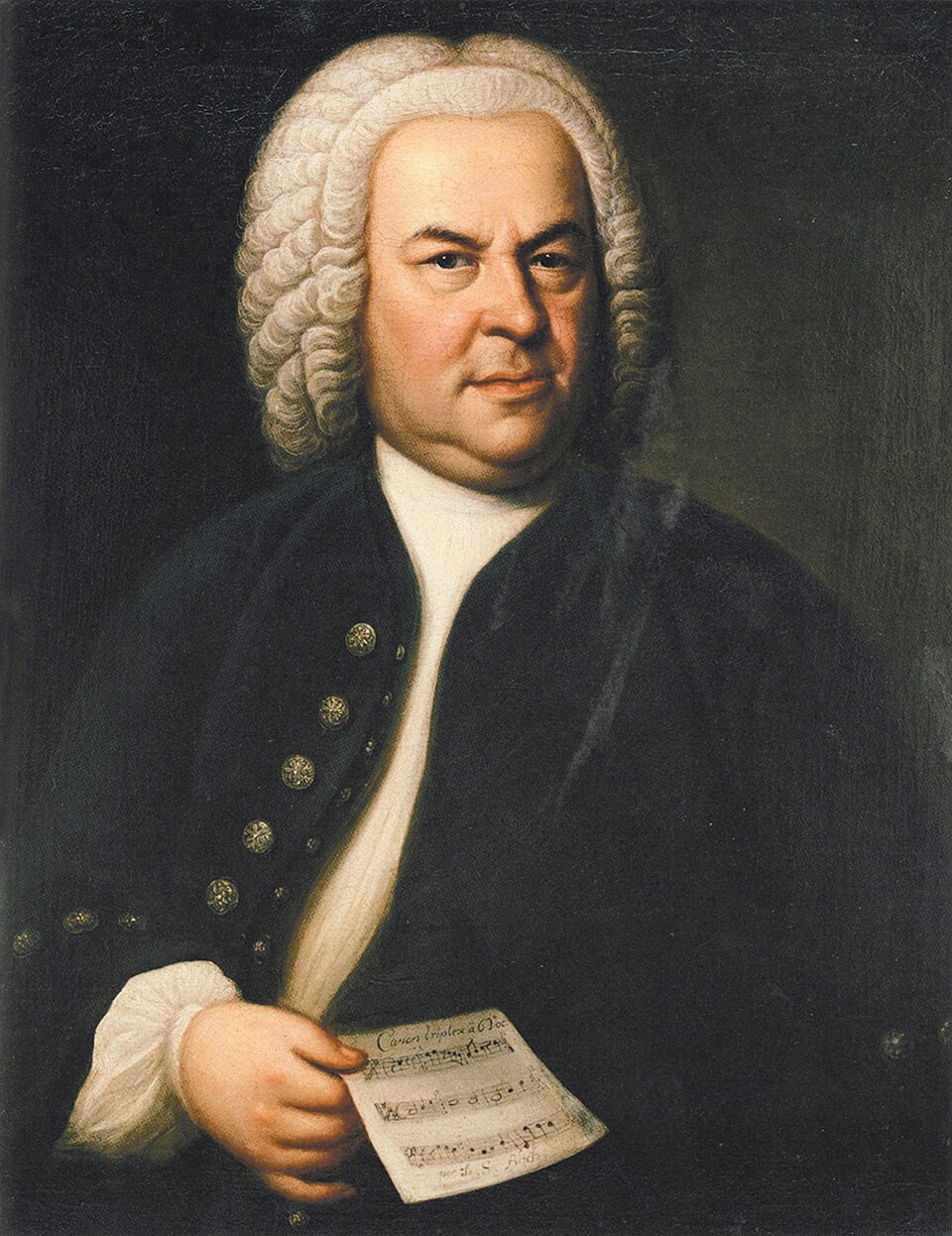
- •Pada 27 Oktober 1726, Johann Sebastian Bach memimpin pertunjukan perdana kantata BWV 56 di Gereja St. Thomas, Leipzig.
- •Kantata ini menggabungkan ariak solo bass, khoral, dan orkestra dengan tema rohani tentang penerimaan salib.
- •Pertunjukan ini menandakan puncak kreativiti Bach dalam musim liturgi 1726‑1727.
Kandungan Ditaja (Sponsored)
1726: Premiere Performance of Johann Sebastian Bach's Cantata BWV 56 in Leipzig. On October 27, 1726, Johann Sebastian Bach led the first performance of the cantata "Ich will den Kreuzstab gerne tragen" (BWV 56) at St. Thomas Church, Leipzig. This work is one of the few compositions that Bach himself designated as a cantata, combining solo arias, chorales, and orchestra with text depicting spiritual struggle and acceptance of the cross. This performance marked the peak of Bach's creativity in the 1726‑1727 liturgical season and demonstrated his mastery in integrating counterpoint, harmony, and textual expression.. Premiere Performance in Leipzig
On October 27, 1726, Johann Sebastian Bach, who at that time held the position of Cantor at St. Thomas School and Music Director at Leipzig's four main churches, led the vocal and instrumental ensemble for the first performance of Cantata BWV 56. The event took place in the context of the 19th Sunday after Trinity service, according to the Lutheran liturgical calendar. Bach not only directed the orchestra and choir but also sang the bass solo part, demonstrating his dual capacity as director and performer. The placement of this cantata within the regular service demonstrates how important liturgical music was in the spiritual life of Leipzig's community in the 18th century.
Baroque Era Context and Bach's Position
The late Baroque era in Germany was marked by high demand for church music that was complex yet accessible to congregations. Bach, having mastered counterpoint style and fugal forms, was at the peak of his professional career in 1726. He had completed weekly cantata cycles for the 1723‑1724 and 1724‑1725 liturgical years, and was now entering a more reflective and theological compositional phase. Cantata BWV 56 arose from the need to provide music suitable for the theme of "bearing the cross" taken from Matthew 16:24, and to meet the expectations of the congregation and church authorities who demanded high artistic quality.
Structure and Theme of Cantata BWV 56
This cantata is structured in five movements: an opening aria for solo bass, recitative, second aria, closing chorale, and an additional chorale often sung by the congregation. The text was written by an unknown poet but aligns with Lutheran theology emphasizing Christ's suffering as an example for believers. Musically, Bach employs a small orchestra — two oboes, two violins, viola, and basso continuo — creating an intimate yet dramatic texture. The "cross" motif is represented through descending melodies and minor harmonies, while the second aria offers contrast with nuances of hope and relief.
Audience Reaction and Modern Criticism
Contemporary records of audience reaction do not exist, but church records indicate full attendance and congregational participation in the closing chorale. In the 19th century, Felix Mendelssohn and other music scholars began to regard this cantata as a perfect example of text and music integration. Modern criticism highlights Bach's ability to transform heavy theological text into a tangible emotional experience, as well as his use of subtle counterpoint techniques without sacrificing melodic clarity. Orchestra directors now frequently program BWV 56 in summer concerts and Bach festivals worldwide.
Legacy and Influence on Subsequent Generations
Cantata BWV 56 has become a primary reference in teaching Baroque vocal composition at universities and conservatories. Its structure — aria, recitative, chorale — serves as a model for students to understand the relationship between liturgy and
Tags:
#Sejarah Muzik#Gereja St. Thomas#Johann Sebastian Bach#Leipzig#Kantata+3 lagi#Baroque#BWV 56#Kantata BWV 56
Sejarah Muzik, Gereja St. Thomas, Johann Sebastian Bach, Leipzig, Kantata, Baroque, BWV 56, Kantata BWV 56