The Pinnacle of the Liberation Struggle in Saint-Domingue
At the end of the 18th century, the French colony of Saint-Domingue (now Haiti) was one of the wealthiest colonies in the world. The economic prosperity of this colony was driven by the abundant production of sugar, coffee, and indigo for the European market. However, that wealth was built upon the systemic suffering and brutal enslavement of hundreds of people of African descent. These inhumane living conditions eventually triggered the Haitian Revolution in 1791, a large-scale resistance that shook the foundations of the European colonial empire.
Entering the early 1800s, the First Consul of France, Napoleon Bonaparte, was determined to restore absolute French control over the island and reinstate the system of slavery that had been abolished. He dispatched a large expeditionary force under the command of General Charles Leclerc. Although early revolutionary leaders such as Toussaint Louverture were captured through deceit and imprisoned in France, the flame of local resistance was never extinguished. The leadership of the struggle was continued by Jean-Jacques Dessalines, who successfully united various rebel groups under the banner of the Indigenous Army (L'Armée Indigène).
The Battle of Vertières: Fierce Clash at Cap-Français
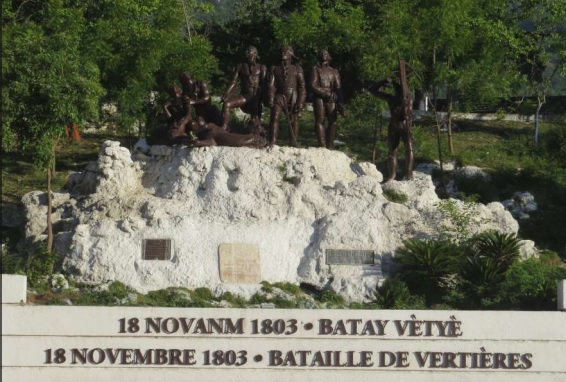
On November 18, 1803, the culmination of this conflict occurred at Vertières, a hilly area near Cap-Français (now Cap-Haïtien) in the northern part of the island. The Battle of Vertières was the last major battle of the military campaign. The Indigenous Army led by Dessalines launched a strategic and bold attack against the French stronghold defended by General Donatien-Marie-Joseph de Vimeur, Vicomte de Rochambeau, who succeeded Leclerc after his death.
The battle witnessed extraordinary bravery from the revolutionary army. One of the most famous events in the history of this battle was the action of Commander François Capois, dubbed Capois-la-Mort (Capois the Dead). Amidst a heavy rain of cannonballs and intense rifle fire, Capois led his troops in repeated charges up the hill to attack the French defenses. Although his horse was shot out from under him and his hat was blown off by a bullet, Capois got back up and continued to lead his troops with a cry of bravery that stunned both fighting sides.
Winning Tactics and the Decline of the French Army
The relentless attacks by the Indigenous Army, coupled with the exhaustion of the French troops and the outbreak of yellow fever that claimed the lives of thousands of French soldiers, broke Rochambeau's defenses. Furthermore, the naval blockade by the British Royal Navy prevented supplies and reinforcements from reaching the French forces from Europe.
By the night of November 18, 1803, the position of the French army at Vertières was no longer defensible. Rochambeau realized that his force's defeat was absolute. He agreed to negotiate a surrender and signed the Act of Capitulation, which gave the French troops ten days to evacuate Cap-Français and leave the island. This retreat marked the total destruction of Napoleon's ambitions to build a vast French colonial empire in the Western Hemisphere.
The Legacy of Vertières and the Rise of the Haitian Nation
The historic victory at Vertières directly paved the way for the establishment of a new nation. On January 1, 1804, Jean-Jacques Dessalines officially declared the territory's independence from France and restored its original Taíno name, Haiti. This declaration made Haiti the world's first black republic and the second independent nation in the Western Hemisphere after the United States.
The French defeat in Haiti also had major geopolitical side effects, including Napoleon's decision to sell the Louisiana territory to the United States (the Louisiana Purchase) in 1803 because France no longer had a military base in the Caribbean to defend that North American territory. To this day, the Battle of Vertières is celebrated in Haiti every November 18 as Vertières Day, a national holiday commemorating the courage, sacrifice, and success of the struggle for freedom from the tyranny of slavery.
Source: Wikipedia — https://en.wikipedia.org/wiki/Battle_of_Verti%C3%A8res | License: CC BY-SA 4.0_
1803: The Battle of Vertières and the Birth of Haiti as the World's First Black Republic. On November 18, 1803, the Battle of Vertières broke out in Saint-Domingue between the Indigenous Army led by Jean-Jacques Dessalines and the French forces under Donatien de Rochambeau. The decisive victory of the revolutionary army ended French colonization and led to the declaration of Haiti's independence, making it the world's first black republic.. The Pinnacle of the Liberation Struggle in Saint-Domingue
At the end of the 18th century, the French colony of Saint-Domingue now Haiti was one of the wealthiest colonies in the world. The economic prosperity of this colony was driven by the abundant production of sugar, coffee, and indigo for the European market. However, that wealth was built upon the systemic suffering and brutal enslavement of hundreds of people of African descent. These inhumane living conditions eventually triggered the Haitian Revolution in 1791, a large-scale resistance that shook the foundations of the European colonial empire.
Entering the early 1800s, the First Consul of France, Napoleon Bonaparte, was determined to restore absolute French control over the island and reinstate the system of slavery that had been abolished. He dispatched a large expeditionary force under the command of General Charles Leclerc. Although early revolutionary leaders such as Toussaint Louverture were captured through deceit and imprisoned in France, the flame of local resistance was never extinguished. The leadership of the struggle was continued by Jean-Jacques Dessalines, who successfully united various rebel groups under the banner of the Indigenous Army L'Armée Indigène .
The Battle of Vertières: Fierce Clash at Cap-Français
On November 18, 1803, the culmination of this conflict occurred at Vertières, a hilly area near Cap-Français now Cap-Haïtien in the northern part of the island. The Battle of Vertières was the last major battle of the military campaign. The Indigenous Army led by Dessalines launched a strategic and bold attack against the French stronghold defended by General Donatien-Marie-Joseph de Vimeur, Vicomte de Rochambeau, who succeeded Leclerc after his death.
The battle witnessed extraordinary bravery from the revolutionary army. One of the most famous events in the history of this battle was the action of Commander François Capois, dubbed Capois-la-Mort Capois the Dead . Amidst a heavy rain of cannonballs and intense rifle fire, Capois led his troops in repeated charges up the hill to attack the French defenses. Although his horse was shot out from under him and his hat was blown off by a bullet, Capois got back up and continued to lead his troops with a cry of bravery that stunned both fighting sides.
Winning Tactics and the Decline of the French Army
The relentless attacks by the Indigenous Army, coupled with the exhaustion of the French troops and the outbreak of yellow fever that claimed the lives of thousands of French soldiers, broke Rochambeau's defenses. Furthermore, the naval blockade by the British Royal Navy prevented supplies and reinforcements from reaching the French forces from Europe.
By the night of November 18, 1803, the position of the French army at Vertières was no longer defensible. Rochambeau realized that his force's defeat was absolute. He agreed to negotiate a surrender and signed the Act of Capitulation, which gave the French troops ten days to evacuate Cap-Français and leave the island. This retreat marked the total destruction of Napoleon's ambitions to build a vast French colonial empire in the Western Hemisphere.
The Legacy of Vertières and the Rise of the Haitian Nation
The historic victory at Vertières directly paved the way for the establishment of a new nation. On January 1, 1804, Jean-Jacques Dessalines officially declared the territory's independence from France and restored its original Taíno name, Haiti. This declaration made Haiti the world's first black republic and the second independent nation in the Western Hemisphere after the United States.
The French defeat in Haiti also had major geopolitical side effects, including Napoleon's decision to sell the Louisiana territory to the United States the Louisiana Purchase in 1803 because France no longer had a military base in the Caribbean to defend that North American territory. To this day, the Battle of Vertières is celebrated in Haiti every November 18 as Vertières Day, a national holiday commemorating the courage, sacrifice, and success of the struggle for freedom from the tyranny of slavery.
Source: Wikipedia — https://en.wikipedia.org/wiki/Battle of Verti%C3%A8res License: CC BY-SA 4.0