Neutral
AI
Baca 30 saat
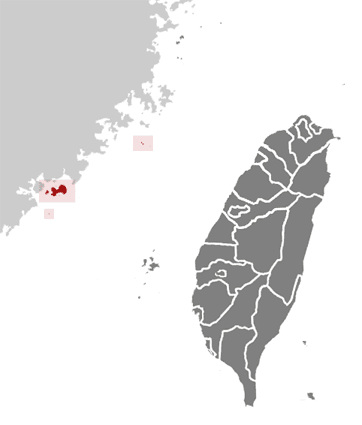
- •Pertempuran Guningtou bermula 25 Oktober 1949 di pulau Kinmen.
- •Pasukan Kominis menyerang pulau-pulau Kuomintang di Selat Taiwan.
- •Kekalahan Kuomintang menyebabkan pengukuhan kendalian mereka di Taiwan dan pulau-pulau berhampiran.
Kandungan Ditaja (Sponsored)
1949: The Battle of Guningtou in the Taiwan Strait. The Battle of Guningtou began on October 25, 1949, on Kinmen Island. After the Chinese Communist forces occupied the main island of Taiwan, they launched attacks on the small islands in the Taiwan Strait controlled by the Kuomintang. This event marked a critical final phase of the Chinese Civil War, where fierce battles occurred between the two major political and military powers. Following the military defeat, the Kuomintang decided to strengthen itself in Taiwan and nearby islands, including Kinmen. This battle had a profound impact on the regional geopolitical dynamics and determined the fate of Taiwan to this day.. Origins of the Battle
On October 25, 1949, the Chinese Communist forces launched a major attack on Kinmen Island also known as Quemoy , located at a strategic location in the Taiwan Strait. This attack was part of a broader campaign to recapture areas controlled by the Kuomintang after they were forced to retreat to Taiwan in September 1949. With its strategic airbase and seaport, Kinmen Island became the primary target to strengthen the Communist control over the sea and air. The battle lasted for several days and involved the use of heavy weapons and artillery from both sides.
Background of the Conflict
The Chinese Civil War had been ongoing since the late 1920s between the Communist Party supported by the Soviet Union and the Kuomintang supported by the West . In early 1949, the Kuomintang suffered consecutive defeats on various battlefields, including the capture of almost the entire mainland Chinese territory. On October 1, 1949, the Communist Party successfully proclaimed the People's Republic of China in Beijing, while the remaining Kuomintang forces hid in Taiwan. However, small islands such as Kinmen and Matsu, located near the coast of Fujian, were still controlled by the Kuomintang, becoming the focus of further attacks.
Key Figures Involved
On the Communist side, the main commanders of the operation at this stage included several senior naval and air force generals responsible for planning air and sea attacks on Kinmen Island. On the Kuomintang side, the field commanders leading the defense of the island included several generals responsible for coordinating air and sea defenses. Both sides used strategies to maximize the effectiveness of their weapons and available resources. Despite pressure from Western parties attempting to prevent escalation, the battle continued without significant interruption.
Impact and Outcome
The Battle of Guningtou ended with a clear military defeat for the Chinese Communist forces, who failed to achieve their main objective of capturing Kinmen Island. As a result, the Kuomintang successfully maintained control over the island and several small surrounding areas. The fall of these islands became an important signal that the Kuomintang could no longer be eliminated from the Taiwan Strait. This helped them strengthen their strategic position in Taiwan and form a long-term defense policy that has lasted until today. The battle also left deep emotional impacts in the collective memory of the people of Kinmen and Taiwan, who still remember it as a symbol of resilience and struggle.
Historical Legacy
To this day, the Battle of Guningtou is remembered as a significant turning point in the history of Taiwan and the relationship between mainland China and Taiwan. It has become a symbol of national firmness and territorial defense presented by the Kuomintang. In the history education of Taiwan, this event is often highlighted to emphasize the importance of island sovereignty and the role of the military. At the same time, in the official narrative of mainland China, this event is often forgotten or presented as part of the effort to unify all of China. Nevertheless, it remains one of the most impactful conflicts in the modern history of the region.
Conclusion
The Battle of Guningtou on October 25, 1949, was a significant moment in the final phase of the Chinese Civil War. It marked the last attempt by the Communists to capture the islands in the Taiwan Strait and had a direct impact on shaping the regional geopolitical map. The failure of the attack ensured the integrity of the Kuomintang's retreat to Taiwan, forming the basis for the continued political and military development to this day. This history remains relevant in global discussions about the status of Taiwan and international relations, making it an unforgettable topic in understanding the dynamics of the Asia-Pacific region.
Tags:
#perang saudara china#taiwan strait#Selat Taiwan#sejarah harian#pertempuran guningtou+3 lagi#1949#Parti Kominis China#Pulau Kinmen
perang saudara china, taiwan strait, Selat Taiwan, sejarah harian, pertempuran guningtou, 1949, Parti Kominis China, Pulau Kinmen