Political Background and Independence of Grenada
Grenada, a small island in the southern Caribbean, gained independence from Britain in 1974. However, this newly established democracy did not last long. In 1979, the New JEWEL Movement (Joint Endeavor for Welfare, Education, and Liberation), led by Maurice Bishop, successfully overthrew the government of Eric Gairy through a bloodless coup. Bishop subsequently formed the People's Revolutionary Government (PRG) and clearly shifted toward the communist bloc, establishing close ties with Cuba and the Soviet Union.
This move not only altered the domestic political landscape but also raised deep concerns among U.S. authorities. By linking the development of a new international airport on the island—believed to also be usable for bomber operations—Washington realized that the presence of communist power in its "backyard" posed a strategic threat that could not be ignored within the context of the Cold War.
Decline Within the Revolutionary Party
Tensions among members of the PRG reached a peak in October 1983. A hardline faction within the party, led by Deputy Prime Minister Bernard Coard, managed to capture Bishop on October 12 and detained him under house arrest. Widespread public protests eventually forced Bishop's release, but his fate was sealed. On October 19, Bishop along with several senior ministers was arrested and killed by army troops loyal to Coard.
Hudson Austin, who at the time acted as a military school official, then took control and formed the Revolutionary Military Council. Under his leadership, the council implemented strict measures to maintain order and suppress dissent.
International Response and the Invasion
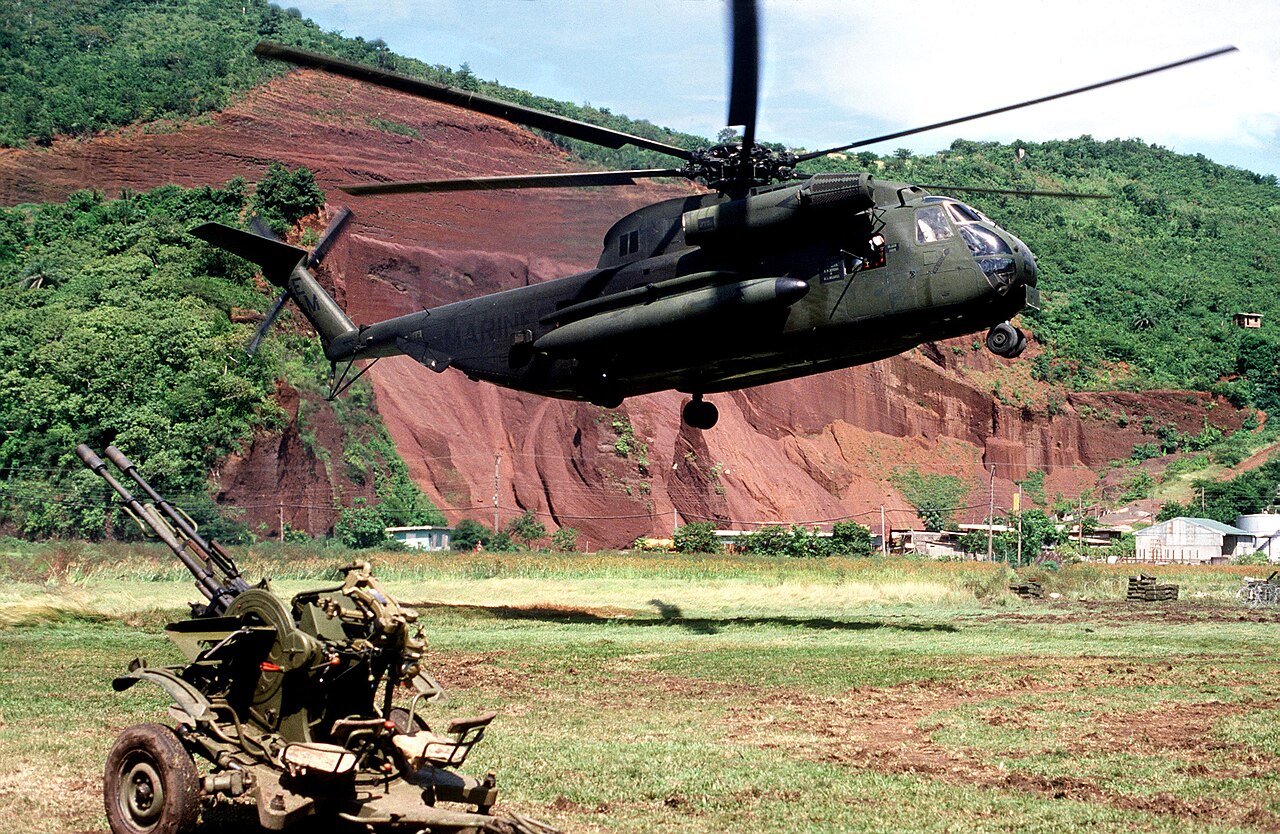
The instability in Grenada, combined with the threat posed by the growing communist influence, prompted the United States to take decisive action. On October 25, 1983, Operation Urgent Fury was launched, involving approximately 7,500 U.S. troops supported by airborne and naval forces. The operation aimed to restore order, protect American citizens, and dismantle the communist regime.
The invasion was met with minimal resistance, and within a few days, U.S. forces had secured key strategic locations, including the airport and government buildings. The operation concluded with the establishment of an interim government led by Governor-General Paul Scoon, who called for democratic elections.
In December 1984, democratic elections were held, resulting in the victory of the New National Party (NNP), led by Herbert Blaize. This marked the end of the revolutionary period and the beginning of a new democratic era in Grenada.
Aftermath and Legacy
The U.S. invasion of Grenada remains a controversial chapter in international relations. While the United States justified the action as necessary to protect its citizens and counter communist expansion, critics argued that it violated international law and sovereignty. The operation demonstrated the U.S.'s willingness to use military force to protect its interests in the Western Hemisphere during the Cold War.
The legacy of Operation Urgent Fury continues to be debated among historians and policymakers, reflecting the complex dynamics of Cold War politics and the challenges of maintaining stability in the Caribbean region.
1983: U.S. Invasion of Grenada – Operation Urgent Fury. On October 25, 1983, the United States, alongside a coalition of Caribbean nations, launched Operation Urgent Fury, a military invasion of the island of Grenada. The operation was triggered by an internal coup that resulted in the execution of Prime Minister Maurice Bishop and several of his followers. The invasion ended with the deployment of U.S. troops and the appointment of an interim government, followed by general elections in December 1984.. Political Background and Independence of Grenada
Grenada, a small island in the southern Caribbean, gained independence from Britain in 1974. However, this newly established democracy did not last long. In 1979, the New JEWEL Movement Joint Endeavor for Welfare, Education, and Liberation , led by Maurice Bishop, successfully overthrew the government of Eric Gairy through a bloodless coup. Bishop subsequently formed the People's Revolutionary Government PRG and clearly shifted toward the communist bloc, establishing close ties with Cuba and the Soviet Union.
This move not only altered the domestic political landscape but also raised deep concerns among U.S. authorities. By linking the development of a new international airport on the island—believed to also be usable for bomber operations—Washington realized that the presence of communist power in its "backyard" posed a strategic threat that could not be ignored within the context of the Cold War.
Decline Within the Revolutionary Party
Tensions among members of the PRG reached a peak in October 1983. A hardline faction within the party, led by Deputy Prime Minister Bernard Coard, managed to capture Bishop on October 12 and detained him under house arrest. Widespread public protests eventually forced Bishop's release, but his fate was sealed. On October 19, Bishop along with several senior ministers was arrested and killed by army troops loyal to Coard.
Hudson Austin, who at the time acted as a military school official, then took control and formed the Revolutionary Military Council. Under his leadership, the council implemented strict measures to maintain order and suppress dissent.
International Response and the Invasion
The instability in Grenada, combined with the threat posed by the growing communist influence, prompted the United States to take decisive action. On October 25, 1983, Operation Urgent Fury was launched, involving approximately 7,500 U.S. troops supported by airborne and naval forces. The operation aimed to restore order, protect American citizens, and dismantle the communist regime.
The invasion was met with minimal resistance, and within a few days, U.S. forces had secured key strategic locations, including the airport and government buildings. The operation concluded with the establishment of an interim government led by Governor-General Paul Scoon, who called for democratic elections.
In December 1984, democratic elections were held, resulting in the victory of the New National Party NNP , led by Herbert Blaize. This marked the end of the revolutionary period and the beginning of a new democratic era in Grenada.
Aftermath and Legacy
The U.S. invasion of Grenada remains a controversial chapter in international relations. While the United States justified the action as necessary to protect its citizens and counter communist expansion, critics argued that it violated international law and sovereignty. The operation demonstrated the U.S.'s willingness to use military force to protect its interests in the Western Hemisphere during the Cold War.
The legacy of Operation Urgent Fury continues to be debated among historians and policymakers, reflecting the complex dynamics of Cold War politics and the challenges of maintaining stability in the Caribbean region.