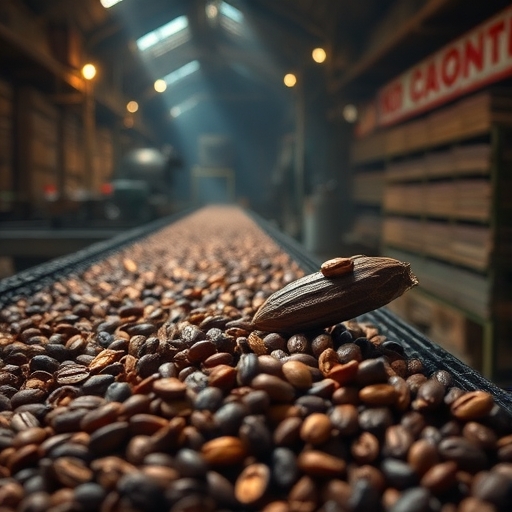
Have you ever wondered who the genius individual behind the creation of chocolate is? In the world of food, it's rare to be able to name a single 'creator' for something that has undergone thousands of years of evolution, and chocolate is a prime example of this phenomenon. From the bitter drink of ancient Mesoamerican rituals to the smooth, creamy chocolate bars overflowing on store shelves today, chocolate is the result of collective effort and generational innovation.
Who is the 'Creator' of Chocolate We Know Today?
There is no single individual who can be given the title of 'chocolate creator' exclusively. Instead, chocolate is a rich cultural heritage, the result of contributions from various civilizations and individuals throughout history. Its story began long before sugar and milk became part of its recipe, when cacao beans were used for purposes vastly different from what we imagine today.
How Cacao Was Used Thousands of Years Ago?
The story of chocolate begins in ancient Mesoamerica, which now includes Mexico and Central America. Archaeological evidence shows that the Olmec civilization (around 1500 BC to 400 BC) was among the first to use cacao beans. They considered cacao to be a gift from the gods, using it in religious rituals and as a drink. Later, the Maya and Aztec civilizations also inherited and developed the use of cacao.
For these civilizations, cacao was not just a food; it was a symbol of wealth, prestige, and used as a form of currency. Their cacao drink, known as xocolatl, was bitter, often mixed with chili, spices, or corn, and consumed in important ceremonies. It was a drink that provided energy and was believed to have medicinal properties. The concept of chocolate as a sweet confection like today did not exist at that time.
A Critical Turning Point: From Bitter Drink to the First Chocolate Bar
When cacao beans were brought to Europe by Spanish explorers in the 16th century, they began to undergo a transformation. Europeans added sugar and spices like vanilla and cinnamon to adjust the bitter taste to their liking. However, chocolate remained a drink, particularly among the aristocracy and the wealthy.
A critical turning point occurred in the 19th century with the Industrial Revolution. In 1828, a Dutch chemist and chocolate maker named Coenraad Johannes van Houten successfully invented the hydraulic cacao press. This machine allowed for the separation of cacao butter (cocoa butter) from solid cacao, resulting in a finer, more soluble cocoa powder and reusable cocoa butter. Van Houten's innovation opened the door to the creation of solid chocolate.
Not long after, in 1847, the Bristol, England-based company J.S. Fry & Sons used Van Houten's discovery to create the first edible chocolate bar. They mixed cocoa powder, cocoa butter, and sugar to form a solid that was later cut into bars. This was a historic moment that transformed chocolate from a drink to the solid confection we know today.
The Industrial Revolution: Chocolate Becomes Smoother and Sweeter
The era following the creation of the first chocolate bar saw several key innovations that shaped the modern taste and texture of chocolate. In 1875,
Daniel Peter, a Swiss chocolate maker, collaborated with his friend,
Henri Nestlé (inventor of condensed milk), to produce the first milk chocolate. The addition of condensed milk not only created a smoother, sweeter texture but also opened up a wider market for chocolate.
Four years later, in 1879, another Swiss chocolate maker, Rodolphe Lindt, invented the 'conching' process. This involved continuously grinding and mixing chocolate for hours, sometimes days, resulting in a very smooth, rich, and velvety texture in the mouth. Without conching, modern chocolate might still be grainy and less enjoyable. These innovations, combined with large-scale production techniques, made chocolate accessible and enjoyable for the masses worldwide.
Why the Story of Chocolate Remains Relevant Today?
Understanding the history of chocolate and the individuals who contributed to its development is not just a fascinating fact. It reminds us of the power of innovation and how one raw material can be transformed into something entirely different through human ingenuity and experimentation. The story of chocolate is a testament that major creations often involve a long journey of contributions from various cultures and eras, not just the work of a single individual.
To this day, the world of chocolate continues to evolve with the emergence of artisanal chocolate, sugar-free chocolate, and various other innovations. However, its foundation remains the same: the revered cacao beans of ancient civilizations, transformed and modernized by human creativity to become one of the world's most beloved foods.
The Unlikely Creator: Unraveling the History of Chocolate Over Thousands of Years. Who is the genius behind the chocolate we enjoy today? The answer lies not in a single name, but in the narrative of a long evolution that spans ancient civilizations to modern innovators who shaped this beloved confection.. Have you ever wondered who the genius individual behind the creation of chocolate is? In the world of food, it's rare to be able to name a single 'creator' for something that has undergone thousands of years of evolution, and chocolate is a prime example of this phenomenon. From the bitter drink of ancient Mesoamerican rituals to the smooth, creamy chocolate bars overflowing on store shelves today, chocolate is the result of collective effort and generational innovation.
Who is the 'Creator' of Chocolate We Know Today?
There is no single individual who can be given the title of 'chocolate creator' exclusively. Instead, chocolate is a rich cultural heritage, the result of contributions from various civilizations and individuals throughout history. Its story began long before sugar and milk became part of its recipe, when cacao beans were used for purposes vastly different from what we imagine today.
How Cacao Was Used Thousands of Years Ago?
The story of chocolate begins in ancient Mesoamerica, which now includes Mexico and Central America. Archaeological evidence shows that the Olmec civilization around 1500 BC to 400 BC was among the first to use cacao beans. They considered cacao to be a gift from the gods, using it in religious rituals and as a drink. Later, the Maya and Aztec civilizations also inherited and developed the use of cacao.
For these civilizations, cacao was not just a food; it was a symbol of wealth, prestige, and used as a form of currency. Their cacao drink, known as xocolatl , was bitter, often mixed with chili, spices, or corn, and consumed in important ceremonies. It was a drink that provided energy and was believed to have medicinal properties. The concept of chocolate as a sweet confection like today did not exist at that time.
A Critical Turning Point: From Bitter Drink to the First Chocolate Bar
When cacao beans were brought to Europe by Spanish explorers in the 16th century, they began to undergo a transformation. Europeans added sugar and spices like vanilla and cinnamon to adjust the bitter taste to their liking. However, chocolate remained a drink, particularly among the aristocracy and the wealthy.
A critical turning point occurred in the 19th century with the Industrial Revolution. In 1828, a Dutch chemist and chocolate maker named Coenraad Johannes van Houten successfully invented the hydraulic cacao press. This machine allowed for the separation of cacao butter cocoa butter from solid cacao, resulting in a finer, more soluble cocoa powder and reusable cocoa butter. Van Houten's innovation opened the door to the creation of solid chocolate.
Not long after, in 1847, the Bristol, England-based company J.S. Fry & Sons used Van Houten's discovery to create the first edible chocolate bar. They mixed cocoa powder, cocoa butter, and sugar to form a solid that was later cut into bars. This was a historic moment that transformed chocolate from a drink to the solid confection we know today.
The Industrial Revolution: Chocolate Becomes Smoother and Sweeter
The era following the creation of the first chocolate bar saw several key innovations that shaped the modern taste and texture of chocolate. In 1875, Daniel Peter , a Swiss chocolate maker, collaborated with his friend, Henri Nestlé inventor of condensed milk , to produce the first milk chocolate. The addition of condensed milk not only created a smoother, sweeter texture but also opened up a wider market for chocolate.
Four years later, in 1879, another Swiss chocolate maker, Rodolphe Lindt , invented the 'conching' process. This involved continuously grinding and mixing chocolate for hours, sometimes days, resulting in a very smooth, rich, and velvety texture in the mouth. Without conching, modern chocolate might still be grainy and less enjoyable. These innovations, combined with large-scale production techniques, made chocolate accessible and enjoyable for the masses worldwide.
Why the Story of Chocolate Remains Relevant Today?
Understanding the history of chocolate and the individuals who contributed to its development is not just a fascinating fact. It reminds us of the power of innovation and how one raw material can be transformed into something entirely different through human ingenuity and experimentation. The story of chocolate is a testament that major creations often involve a long journey of contributions from various cultures and eras, not just the work of a single individual.
To this day, the world of chocolate continues to evolve with the emergence of artisanal chocolate, sugar-free chocolate, and various other innovations. However, its foundation remains the same: the revered cacao beans of ancient civilizations, transformed and modernized by human creativity to become one of the world's most beloved foods.