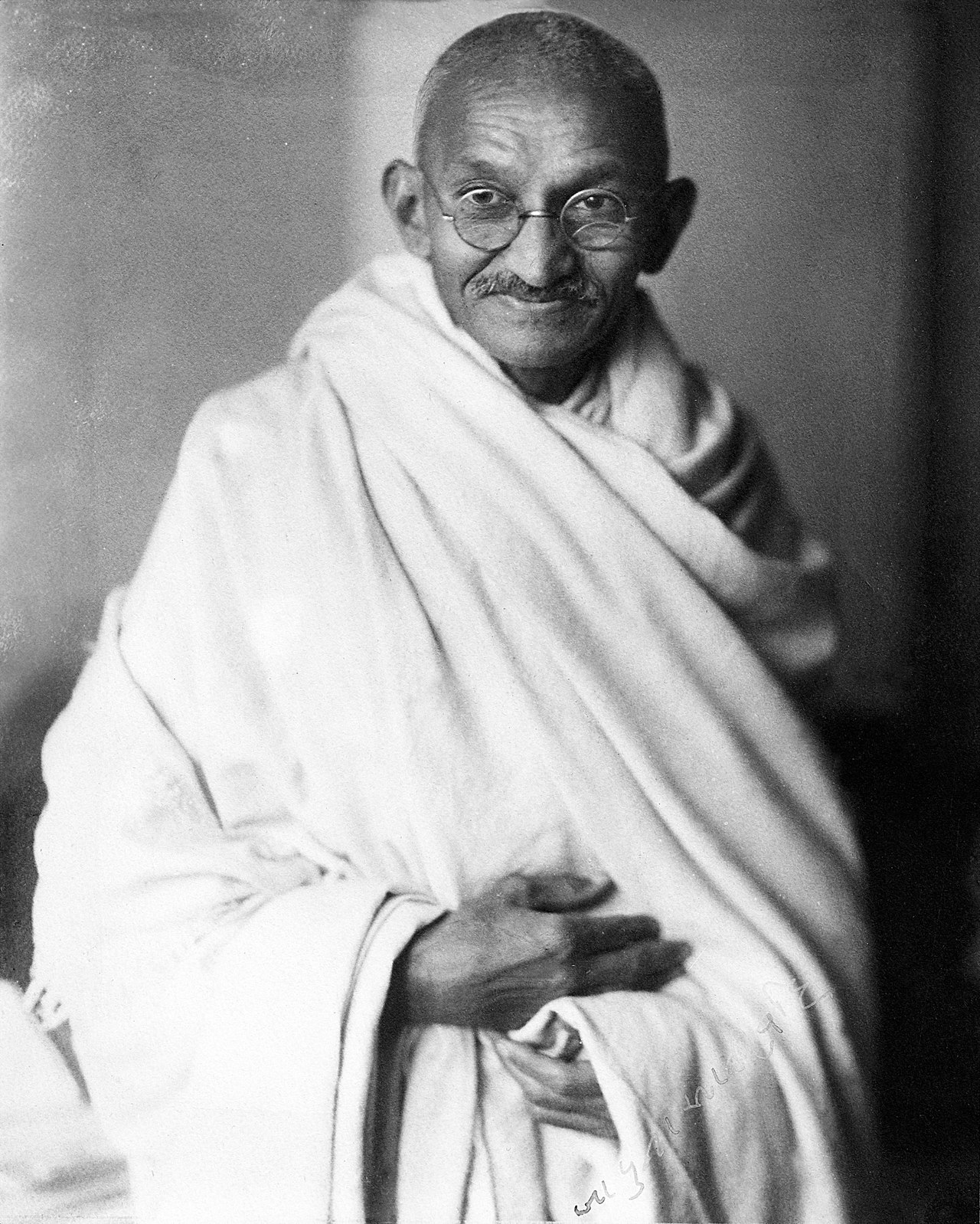
Historical Roots: From Porbandar to London — Education That Shaped a Rebel's Soul
Mohandas Karamchand Gandhi was born on October 2, 1869, in Porbandar, a small port town in Gujarat, western India, into a devout and socially influential Hindu Modh Bania family. His father, Karamchand Gandhi, served as
dewan (chief minister) to several small princely states in Kathiawar, while his mother, Putlibai, was known for her spiritual devotion and strict fasting practices. This environment sowed the seeds of
ahimsa (non-violence) and
satya (truth) from childhood—two pillars that later became the backbone of his philosophy. At age 19, Gandhi sailed to London to study law at the Inner Temple, one of the four Inns of Court. There, he not only learned British codification but was also exposed to the works of Tolstoy, Ruskin, and Thoreau—especially
Unto This Last, which touched his soul so deeply that he translated it into Gujarati under the title
Sarvodaya ('the uplift of all'). The London experience was not merely academic; it was a process of deconstructing colonial identity—where an Indian boy began to question not only the colonial legal system but also the underlying human values.
First Trial: South Africa as a 'Moral Workshop'
The year 1893 marked an unavoidable turning point. Gandhi, then 24, arrived in Durban as a contract lawyer for an Indian-South African firm. However, on a train journey to Pretoria, he was thrown out of a first-class carriage despite having a first-class ticket—because of his skin color and because he was 'not European'. The incident at Pietermaritzburg station was not merely a personal insult; it became the birth moment of his political consciousness. During 21 years in South Africa, Gandhi founded the
Natal Indian Congress, organized peaceful protests against the
Asiatic Registration Act (1907)—a law requiring all Indians to register and carry fingerprint identification cards—and began his first hunger strike in 1906. Here, the term
Satyagraha (holding onto truth) was born—not merely 'non-violent resistance', but a spiritual discipline requiring participants to face tyranny without hatred, without retaliation, and ready to accept punishment. It was not pacifism, but
moral activism demanding more courage than armed combat.
Return to the Homeland: From Village Movements to National Wave
In 1915, Gandhi returned to India—now 45, experienced, and ideologically mature. He did not immediately join a political party; instead, he walked through the villages of Gujarat and Bihar, listening to the grievances of peasants, laborers, and women—documenting the exploitation of the
tinkathia system (forced cotton cultivation for British companies) and the burdensome salt tax. The
Champaran Satyagraha (1917) against European landlords in Bihar became the first test of his methods in the homeland—and its success convinced leaders like Jawaharlal Nehru and Vallabhbhai Patel that Gandhi was not just a theorist but a practical strategist. Subsequently, the
Non-Cooperation Movement (1920–22),
Civil Disobedience Movement (1930), and
Quit India Movement (1942) reshaped India's political landscape: from symbolic demonstrations—like the march to the sea to make salt—to the arrest of thousands of activists. Statistics show that between 1920 and 1947, over 100,000 Indians were imprisoned for participating in Gandhi's movements—most without violence, without hatred, and with respect toward jailers.
A Vibrant Legacy: From Montgomery to Tahrir
Gandhi's influence did not stop at India's borders. Martin Luther King Jr. acknowledged that the
Letter from Birmingham Jail (1963) was an 'intellectual descendant' of Gandhi; he studied
Satyagraha at seminary and visited India in 1959 to learn directly from Gandhi's disciples. In Poland, Solidarity used peaceful strike tactics inspired by him. Even in 2011, protesters in Tahrir Square, Cairo, distributed pamphlets titled
Gandhi for Egyptians. However, this legacy is not monolithic: Nelson Mandela initially criticized Gandhi's approach as 'unrealistic' under apartheid—until he eventually combined elements of
Satyagraha with controlled armed strategy in the ANC. Important questions arise: Is
nonviolence still relevant in the face of systemic state violence and sophisticated surveillance technology? Or does its weakness lie in the prerequisite of faith in the moral conscience of the enemy—an assumption that often fails in the reality of absolute power?
21st Century Reflection: What Do We Still Need from Gandhi Today?
Gandhi is not a static historical figure—he is a mirror that continues to reflect our condition. His lifestyle—
khadi clothing, simple diet, communal living—was not merely symbolic but a manifestation of ecological ethics before the term became popular. He opposed the exploitation of natural resources and structural inequality with the same firmness as he opposed colonialism. Today, as the world grapples with political polarization, misinformation, and loss of trust in institutions, Gandhi reminds us: change begins not by changing laws first, but by changing oneself—through honesty, personal responsibility, and the courage to stand alone in truth. One reflective question we should ask: If Gandhi lived in the age of social media, would he use these platforms to spread his message—or would he choose silence, realizing that digital noise often erodes the tranquility needed to hear the voice of conscience?
Epilogue: Not an End, But an Unending Beginning
Gandhi's death on January 30, 1948—shot by Nathuram Godse, a radical Hindu nationalist who blamed him for the partition of India—did not end his influence. It instead cemented him as a symbol of unbuyable human dignity. In India today,
khadi is still worn by political leaders; in Malaysian schools, students read about the
Dandi March in history books; in universities worldwide, courses on political ethics still begin their first chapter with Gandhi. He is not an icon to be worshipped, but a compass to be consulted—especially when we face choices between emotional reaction and principled response, between momentary victory and lasting justice. As he wrote in
Hind Swaraj:
'If we want to change the world, we must begin with ourselves.' That simple sentence, in its simplicity, remains one of the most demanding—and most important—ever uttered in the history of human civilization.
---
Reference: Mahatma Gandhi — Wikipedia
Gandhi: The Man Who Toppled an Empire Without a Single Bullet. Mohandas Karamchand Gandhi was not merely a figure of Indian independence—he was the architect of a 20th-century moral revolution, proving that true strength lies not in weapons but in discipline of the soul, firmness of principle, and the courage to suffer for truth. From experiences of discrimination in South Africa to leading the 'Satyagraha' movement in India, Gandhi fundamentally transformed the paradigm of political struggle. His influence transcends time and geography: from Martin Luther King Jr. in the United States to Nelson Mandela in South Africa. Yet, his legacy also raises profound questions about the relevance of his methods in an increasingly complex and fast-paced world.. Historical Roots: From Porbandar to London — Education That Shaped a Rebel's Soul
Mohandas Karamchand Gandhi was born on October 2, 1869, in Porbandar, a small port town in Gujarat, western India, into a devout and socially influential Hindu Modh Bania family. His father, Karamchand Gandhi, served as dewan chief minister to several small princely states in Kathiawar, while his mother, Putlibai, was known for her spiritual devotion and strict fasting practices. This environment sowed the seeds of ahimsa non-violence and satya truth from childhood—two pillars that later became the backbone of his philosophy. At age 19, Gandhi sailed to London to study law at the Inner Temple, one of the four Inns of Court. There, he not only learned British codification but was also exposed to the works of Tolstoy, Ruskin, and Thoreau—especially Unto This Last , which touched his soul so deeply that he translated it into Gujarati under the title Sarvodaya 'the uplift of all' . The London experience was not merely academic; it was a process of deconstructing colonial identity—where an Indian boy began to question not only the colonial legal system but also the underlying human values.
First Trial: South Africa as a 'Moral Workshop'
The year 1893 marked an unavoidable turning point. Gandhi, then 24, arrived in Durban as a contract lawyer for an Indian-South African firm. However, on a train journey to Pretoria, he was thrown out of a first-class carriage despite having a first-class ticket—because of his skin color and because he was 'not European'. The incident at Pietermaritzburg station was not merely a personal insult; it became the birth moment of his political consciousness. During 21 years in South Africa, Gandhi founded the Natal Indian Congress , organized peaceful protests against the Asiatic Registration Act 1907 —a law requiring all Indians to register and carry fingerprint identification cards—and began his first hunger strike in 1906. Here, the term Satyagraha holding onto truth was born—not merely 'non-violent resistance', but a spiritual discipline requiring participants to face tyranny without hatred, without retaliation, and ready to accept punishment. It was not pacifism, but moral activism demanding more courage than armed combat.
Return to the Homeland: From Village Movements to National Wave
In 1915, Gandhi returned to India—now 45, experienced, and ideologically mature. He did not immediately join a political party; instead, he walked through the villages of Gujarat and Bihar, listening to the grievances of peasants, laborers, and women—documenting the exploitation of the tinkathia system forced cotton cultivation for British companies and the burdensome salt tax. The Champaran Satyagraha 1917 against European landlords in Bihar became the first test of his methods in the homeland—and its success convinced leaders like Jawaharlal Nehru and Vallabhbhai Patel that Gandhi was not just a theorist but a practical strategist. Subsequently, the Non-Cooperation Movement 1920–22 , Civil Disobedience Movement 1930 , and Quit India Movement 1942 reshaped India's political landscape: from symbolic demonstrations—like the march to the sea to make salt—to the arrest of thousands of activists. Statistics show that between 1920 and 1947, over 100,000 Indians were imprisoned for participating in Gandhi's movements—most without violence, without hatred, and with respect toward jailers.
A Vibrant Legacy: From Montgomery to Tahrir
Gandhi's influence did not stop at India's borders. Martin Luther King Jr. acknowledged that the Letter from Birmingham Jail 1963 was an 'intellectual descendant' of Gandhi; he studied Satyagraha at seminary and visited India in 1959 to learn directly from Gandhi's disciples. In Poland, Solidarity used peaceful strike tactics inspired by him. Even in 2011, protesters in Tahrir Square, Cairo, distributed pamphlets titled Gandhi for Egyptians . However, this legacy is not monolithic: Nelson Mandela initially criticized Gandhi's approach as 'unrealistic' under apartheid—until he eventually combined elements of Satyagraha with controlled armed strategy in the ANC. Important questions arise: Is nonviolence still relevant in the face of systemic state violence and sophisticated surveillance technology? Or does its weakness lie in the prerequisite of faith in the moral conscience of the enemy—an assumption that often fails in the reality of absolute power?
21st Century Reflection: What Do We Still Need from Gandhi Today?
Gandhi is not a static historical figure—he is a mirror that continues to reflect our condition. His lifestyle— khadi clothing, simple diet, communal living—was not merely symbolic but a manifestation of ecological ethics before the term became popular. He opposed the exploitation of natural resources and structural inequality with the same firmness as he opposed colonialism. Today, as the world grapples with political polarization, misinformation, and loss of trust in institutions, Gandhi reminds us: change begins not by changing laws first, but by changing oneself—through honesty, personal responsibility, and the courage to stand alone in truth. One reflective question we should ask: If Gandhi lived in the age of social media, would he use these platforms to spread his message—or would he choose silence, realizing that digital noise often erodes the tranquility needed to hear the voice of conscience?
Epilogue: Not an End, But an Unending Beginning
Gandhi's death on January 30, 1948—shot by Nathuram Godse, a radical Hindu nationalist who blamed him for the partition of India—did not end his influence. It instead cemented him as a symbol of unbuyable human dignity. In India today, khadi is still worn by political leaders; in Malaysian schools, students read about the Dandi March in history books; in universities worldwide, courses on political ethics still begin their first chapter with Gandhi. He is not an icon to be worshipped, but a compass to be consulted—especially when we face choices between emotional reaction and principled response, between momentary victory and lasting justice. As he wrote in Hind Swaraj : 'If we want to change the world, we must begin with ourselves.' That simple sentence, in its simplicity, remains one of the most demanding—and most important—ever uttered in the history of human civilization.
---
Reference: Mahatma Gandhi — Wikipedia https://en.wikipedia.org/wiki/Mahatma Gandhi