Tokyo, June 24 — Japan, the country with the oldest population in the world, announced a program to launch a new generation of elderly care robots that will be widely used in elderly care homes and private residences throughout the country. The government-backed program, with a budget of 500 billion yen, is a response to the most urgent demographic challenges faced by Japan.
With more than 30 percent of Japan's 125 million residents aged 65 or older, and a continuously declining birth rate, Japan faces a severe shortage of workers in the elderly care sector. It is expected that by 2040, Japan will be short of more than 600,000 caregivers, making technological solutions not just an option but an urgent necessity.
The new generation of elderly care robots, developed by a consortium of leading Japanese companies including TOYOTA, Softbank Robotics, and several technology startups, are far more advanced than previous generations. They are capable of performing physical tasks such as helping patients get up from bed and walk, lifting and moving heavy objects, and continuously monitoring users' vital signs through embedded sensors in the robot's clothing.
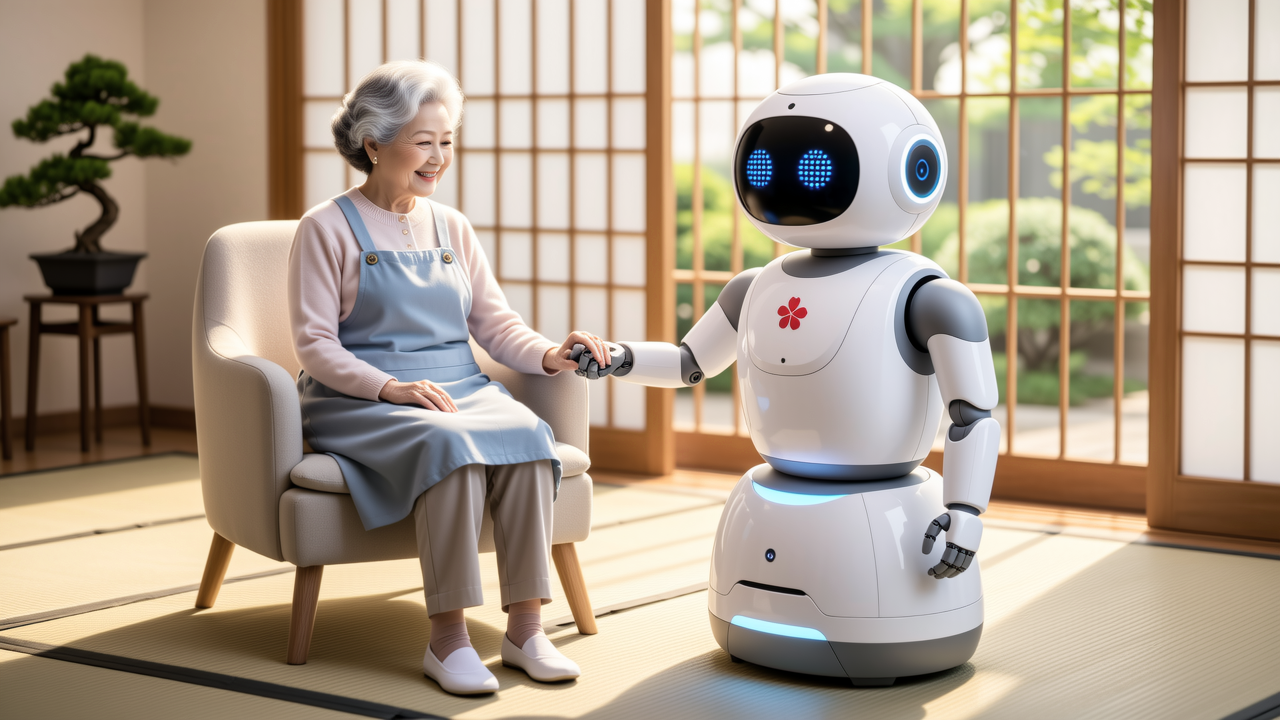
Beyond physical functions, these robots are also able to provide companionship to elderly individuals who often feel lonely. Through an advanced AI conversation system that can speak Japanese fluently, including local dialects, the robots can engage in long conversations, recount old memories based on user profiles programmed into them, and even play word games and puzzles together.
Clinical trials conducted at 50 elderly care homes in Tokyo, Osaka, and Nagoya showed very encouraging results. Elderly individuals using these robots showed a significant reduction in symptoms of depression and social isolation, and their families reported a noticeable improvement in the quality of care received.
This program also aims to export the elderly care robot technology to other countries facing similar demographic issues, making this innovation not only a solution to Japan's domestic problems but also a trillion-yen global business opportunity.
Japan Launches Elderly Care Robots: A Revolution in an Aging Society. Japan has launched a new generation of elderly care robots that can assist the elderly in daily life, addressing the critical labor shortage in the world's oldest society.. Tokyo, June 24 — Japan, the country with the oldest population in the world, announced a program to launch a new generation of elderly care robots that will be widely used in elderly care homes and private residences throughout the country. The government-backed program, with a budget of 500 billion yen, is a response to the most urgent demographic challenges faced by Japan.
With more than 30 percent of Japan's 125 million residents aged 65 or older, and a continuously declining birth rate, Japan faces a severe shortage of workers in the elderly care sector. It is expected that by 2040, Japan will be short of more than 600,000 caregivers, making technological solutions not just an option but an urgent necessity.
The new generation of elderly care robots, developed by a consortium of leading Japanese companies including TOYOTA, Softbank Robotics, and several technology startups, are far more advanced than previous generations. They are capable of performing physical tasks such as helping patients get up from bed and walk, lifting and moving heavy objects, and continuously monitoring users' vital signs through embedded sensors in the robot's clothing.
Beyond physical functions, these robots are also able to provide companionship to elderly individuals who often feel lonely. Through an advanced AI conversation system that can speak Japanese fluently, including local dialects, the robots can engage in long conversations, recount old memories based on user profiles programmed into them, and even play word games and puzzles together.
Clinical trials conducted at 50 elderly care homes in Tokyo, Osaka, and Nagoya showed very encouraging results. Elderly individuals using these robots showed a significant reduction in symptoms of depression and social isolation, and their families reported a noticeable improvement in the quality of care received.
This program also aims to export the elderly care robot technology to other countries facing similar demographic issues, making this innovation not only a solution to Japan's domestic problems but also a trillion-yen global business opportunity.