1. Petra: The Red Stone City Built from Gold and Water
In the scorching deserts of Jordan, Petra is not just a city—it is a manifestation of human success in the harshest environments. Known as the "City of Roses" because of its red sandstone, Petra is a classic example of a caravanserai city that became rich due to being a major stop on the trade routes of spices, frankincense, and silk from Yemen to the Mediterranean. The Nabateans who built Petra were not only skilled in architecture and stone carving but also in water management—they created tunnel systems and reservoirs that allowed the city to thrive in the middle of the desert. Without these techniques, caravans carrying valuable goods would not have been able to stop. As a result, Petra became a financial and tax hub, with its inhabitants living in a luxury rarely seen in the ancient world. However, when sea routes began to dominate trade, Petra started to lose its breath—like a thirsty camel in the sand.
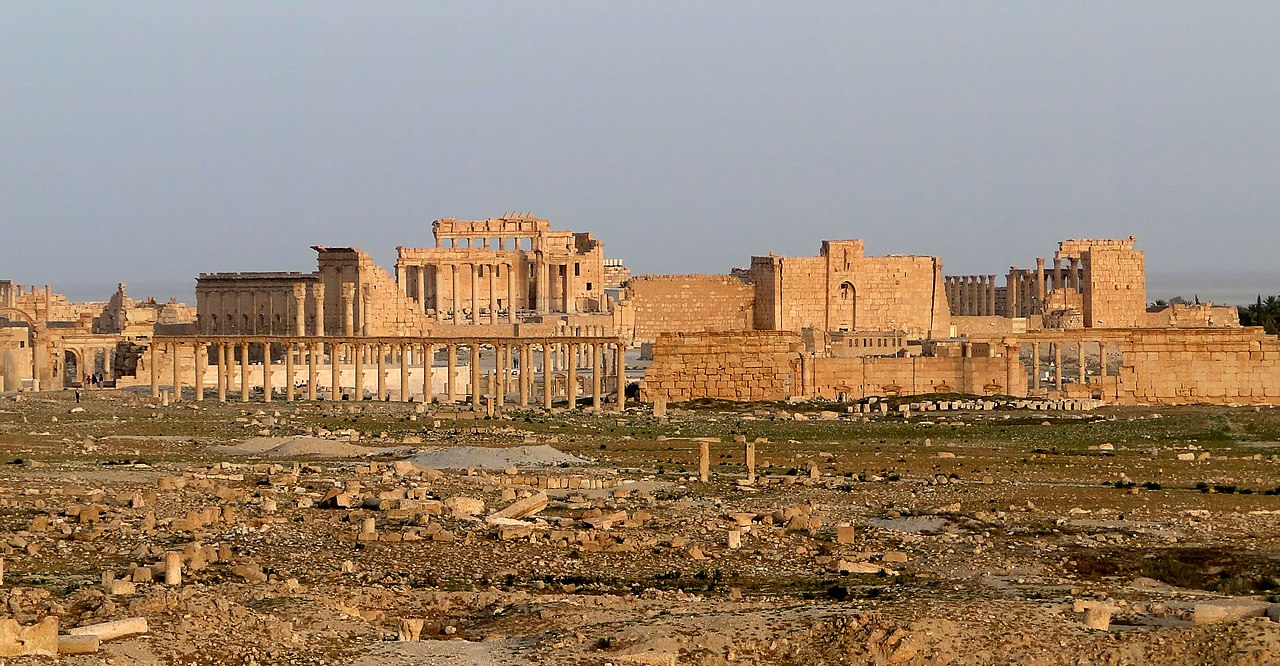
2. Palmyra: The Syrian Desert Pearl That Became a Target for Rome and Persia
Palmyra, now located in Syria, is a city that never sleeps. Situated on the Silk Road connecting Rome with India and China, Palmyra became a center for cultural and luxury goods exchange. The people of Palmyra were not only shrewd merchants but also experts in diplomacy. By becoming an ally of Rome, they enjoyed military protection while maintaining a high degree of autonomy. However, when the Roman Empire began to weaken and the Sassanid Persians became aggressive, Palmyra found itself between two great powers. The fall began when Queen Zenobia—famous for her beauty and ambition—dared to challenge Rome. Her actions led to the destruction of Palmyra in 273 AD. Now, Palmyra is a silent stone ruin, but it once witnessed the triumphs and tragedies of the ancient era.
3. Samarkand: The Crossroads of the World in Uzbekistan
Samarkand may be one of the most mysterious caravan cities. Located in the Zarafshan Valley, it was a major hub on the Silk Road. The city is known for its vibrant blue colors in its ceramics and mosaics—resulting from the mixture of Persian, Turkish, and Chinese cultures that collided here. Samarkand was the place where mathematician Al-Khwarizmi wrote his algebra book, and where astronomy flourished under the rule of Ulugh Beg. The success of Samarkand lay in its strategic location: all caravans from China, India, and Persia had to pass through here. However, when sea routes overtook land routes, Samarkand began to fade. Today, the city is a UNESCO World Heritage Site, but the memory of its golden age filled with camels, gold, and knowledge still lives in every brick and carving.
4. Hatra: The Temple City in Iraq That Dared to Defy Rome
Hatra, now in Iraq, is another example of a unique caravan city. It was not only a trading center but also a religious one. With temples dedicated to gods such as Shamash (the sun god), Hatra became a refuge for caravans seeking protection and blessings. The city was famous for its strong fortifications—walls six meters thick that could withstand Roman attacks in 117 AD and 199 AD. This immunity attracted traders from around the world, making Hatra rich and powerful. However, in 241 AD, Sassanian Persian forces finally managed to breach Hatra's defenses. The city was destroyed, and its wealth was looted. The remains of Hatra now stand as silent witnesses to an era when trade and faith were closely intertwined.
5. Why Caravan Cities Died: The Rise of Sea Routes Over Land
All the above caravan cities shared the same fate: their decline when sea routes became dominant. In ancient times, overland transport was slow and dangerous—camel caravans could only move 30 km per day. However, better ship technology and safer sea routes (especially after the discovery of monsoons in the Indian Ocean) allowed goods to be transported faster and cheaper. As a result, cities like Petra, Palmyra, and Hatra lost their roles. However, there was another factor: politics. The Roman and Persian empires began to build strict defense systems (the Roman limes and Persian defense lines), making trade more controlled. This restricted the freedom that merchants had enjoyed in the caravan cities. Eventually, these cities either died slowly or were destroyed by wars. Now, they are amazing ruins—teaching us about the success and downfall that always await behind every luxury.
6. The Legacy of Caravan Cities: More Than Just Ruins
Although the caravan cities have long been dead, their legacy still lives on. Petra is an inspiration for Hollywood films, Palmyra is a symbol of cultural resilience in Syria, and Samarkand is proof of the meeting of civilizations. Today, we can visit these ruins and imagine the glow of camel lights, the sound of rustling sand, and the scent of silk and frankincense. Caravan cities were not just places for trade; they were centers where ideas, religions, and technologies collided. Without them, the world might not be what it is today. So, if you walk among the stones of Petra or stroll along the streets of Samarkand, remember—you are walking on the footsteps of merchants who, thousands of years ago, connected the world.
---
Reference: Caravan city — Wikipedia
The Lost Cities: How Petra, Palmyra & Samarkand Became Ancient Millionaires?. Imagine a city that thrived on sand and camels—caravanserai cities located in the middle of the desert. Petra, Palmyra, and Samarkand are not just names in history books; they were centers of wealth, culture, and intrigue that made the Roman and Persian empires jealous. However, what happened to them? This article reveals the secrets behind the luxury and downfall of these legendary cities.. 1. Petra: The Red Stone City Built from Gold and Water
In the scorching deserts of Jordan, Petra is not just a city—it is a manifestation of human success in the harshest environments. Known as the "City of Roses" because of its red sandstone, Petra is a classic example of a caravanserai city that became rich due to being a major stop on the trade routes of spices, frankincense, and silk from Yemen to the Mediterranean. The Nabateans who built Petra were not only skilled in architecture and stone carving but also in water management—they created tunnel systems and reservoirs that allowed the city to thrive in the middle of the desert. Without these techniques, caravans carrying valuable goods would not have been able to stop. As a result, Petra became a financial and tax hub, with its inhabitants living in a luxury rarely seen in the ancient world. However, when sea routes began to dominate trade, Petra started to lose its breath—like a thirsty camel in the sand.
2. Palmyra: The Syrian Desert Pearl That Became a Target for Rome and Persia
Palmyra, now located in Syria, is a city that never sleeps. Situated on the Silk Road connecting Rome with India and China, Palmyra became a center for cultural and luxury goods exchange. The people of Palmyra were not only shrewd merchants but also experts in diplomacy. By becoming an ally of Rome, they enjoyed military protection while maintaining a high degree of autonomy. However, when the Roman Empire began to weaken and the Sassanid Persians became aggressive, Palmyra found itself between two great powers. The fall began when Queen Zenobia—famous for her beauty and ambition—dared to challenge Rome. Her actions led to the destruction of Palmyra in 273 AD. Now, Palmyra is a silent stone ruin, but it once witnessed the triumphs and tragedies of the ancient era.
3. Samarkand: The Crossroads of the World in Uzbekistan
Samarkand may be one of the most mysterious caravan cities. Located in the Zarafshan Valley, it was a major hub on the Silk Road. The city is known for its vibrant blue colors in its ceramics and mosaics—resulting from the mixture of Persian, Turkish, and Chinese cultures that collided here. Samarkand was the place where mathematician Al-Khwarizmi wrote his algebra book, and where astronomy flourished under the rule of Ulugh Beg. The success of Samarkand lay in its strategic location: all caravans from China, India, and Persia had to pass through here. However, when sea routes overtook land routes, Samarkand began to fade. Today, the city is a UNESCO World Heritage Site, but the memory of its golden age filled with camels, gold, and knowledge still lives in every brick and carving.
4. Hatra: The Temple City in Iraq That Dared to Defy Rome
Hatra, now in Iraq, is another example of a unique caravan city. It was not only a trading center but also a religious one. With temples dedicated to gods such as Shamash the sun god , Hatra became a refuge for caravans seeking protection and blessings. The city was famous for its strong fortifications—walls six meters thick that could withstand Roman attacks in 117 AD and 199 AD. This immunity attracted traders from around the world, making Hatra rich and powerful. However, in 241 AD, Sassanian Persian forces finally managed to breach Hatra's defenses. The city was destroyed, and its wealth was looted. The remains of Hatra now stand as silent witnesses to an era when trade and faith were closely intertwined.
5. Why Caravan Cities Died: The Rise of Sea Routes Over Land
All the above caravan cities shared the same fate: their decline when sea routes became dominant. In ancient times, overland transport was slow and dangerous—camel caravans could only move 30 km per day. However, better ship technology and safer sea routes especially after the discovery of monsoons in the Indian Ocean allowed goods to be transported faster and cheaper. As a result, cities like Petra, Palmyra, and Hatra lost their roles. However, there was another factor: politics. The Roman and Persian empires began to build strict defense systems the Roman limes and Persian defense lines , making trade more controlled. This restricted the freedom that merchants had enjoyed in the caravan cities. Eventually, these cities either died slowly or were destroyed by wars. Now, they are amazing ruins—teaching us about the success and downfall that always await behind every luxury.
6. The Legacy of Caravan Cities: More Than Just Ruins
Although the caravan cities have long been dead, their legacy still lives on. Petra is an inspiration for Hollywood films, Palmyra is a symbol of cultural resilience in Syria, and Samarkand is proof of the meeting of civilizations. Today, we can visit these ruins and imagine the glow of camel lights, the sound of rustling sand, and the scent of silk and frankincense. Caravan cities were not just places for trade; they were centers where ideas, religions, and technologies collided. Without them, the world might not be what it is today. So, if you walk among the stones of Petra or stroll along the streets of Samarkand, remember—you are walking on the footsteps of merchants who, thousands of years ago, connected the world.
---
Reference: Caravan city — Wikipedia https://en.wikipedia.org/wiki/Caravan city