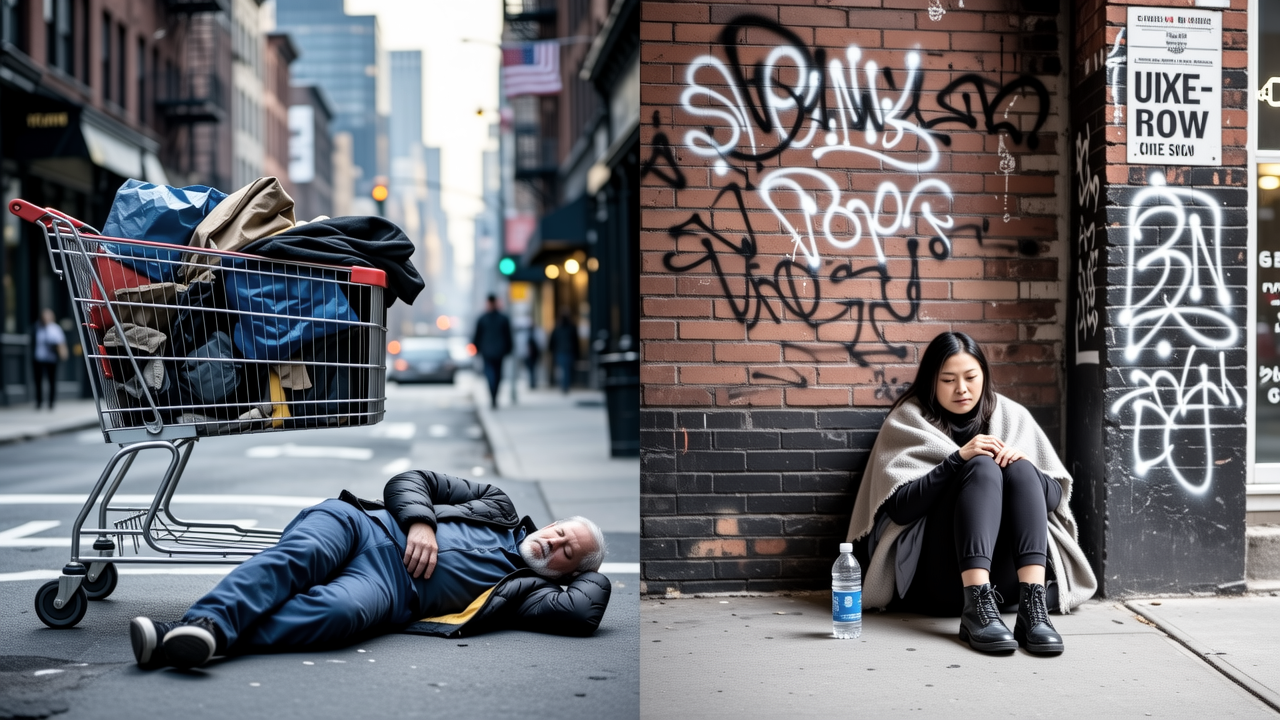
New York, 24 June — The United States is grappling with an increasingly severe housing crisis, with the number of homeless people in major cities such as New York, Los Angeles, San Francisco, Seattle, and Houston reaching record levels in modern history. Data from the U.S. Department of Housing and Urban Development reveals that on the most recent count, more than 650,000 people had no place to live — a 15 percent increase compared to the previous year.
The causes of this crisis are multifaceted and complex. Exorbitant increases in property prices in major cities due to housing supply failing to meet demand, dramatic rises in loan interest rates over the past few years, cuts to social assistance programs, and extremely high costs for mental health treatment and drug abuse — all combine to create a perfect storm that is pushing many Americans onto the streets.
Different cities are taking different approaches to tackle this crisis. Los Angeles follows the "Housing First" model, which prioritizes providing stable housing to homeless individuals first before addressing other issues such as addiction or mental health, based on studies showing that having a stable home is a prerequisite for effectively addressing other problems.
San Francisco, meanwhile, is experimenting with "supportive housing," which combines affordable housing units with easy access to support services such as mental health counseling, drug recovery programs, and job skills training. Houston claims significant success with a program that coordinates multiple government agencies, non-profit organizations, and the private sector in a coordinated response.
Political debates about this issue are very intense. Conservatives tend to emphasize enforcing laws against homeless camps in public areas and the need to address drug abuse and mental health issues as prerequisites. Progressives, on the other hand, focus more on the need to build more affordable housing and implement more comprehensive rental assistance programs.
American Housing Crisis: How Major Cities Are Tackling the Homelessness Epidemic. The number of homeless people in major American cities has reached an all-time high, prompting intense policy debates and various different approaches to solutions.. New York, 24 June — The United States is grappling with an increasingly severe housing crisis, with the number of homeless people in major cities such as New York, Los Angeles, San Francisco, Seattle, and Houston reaching record levels in modern history. Data from the U.S. Department of Housing and Urban Development reveals that on the most recent count, more than 650,000 people had no place to live — a 15 percent increase compared to the previous year.
The causes of this crisis are multifaceted and complex. Exorbitant increases in property prices in major cities due to housing supply failing to meet demand, dramatic rises in loan interest rates over the past few years, cuts to social assistance programs, and extremely high costs for mental health treatment and drug abuse — all combine to create a perfect storm that is pushing many Americans onto the streets.
Different cities are taking different approaches to tackle this crisis. Los Angeles follows the "Housing First" model, which prioritizes providing stable housing to homeless individuals first before addressing other issues such as addiction or mental health, based on studies showing that having a stable home is a prerequisite for effectively addressing other problems.
San Francisco, meanwhile, is experimenting with "supportive housing," which combines affordable housing units with easy access to support services such as mental health counseling, drug recovery programs, and job skills training. Houston claims significant success with a program that coordinates multiple government agencies, non-profit organizations, and the private sector in a coordinated response.
Political debates about this issue are very intense. Conservatives tend to emphasize enforcing laws against homeless camps in public areas and the need to address drug abuse and mental health issues as prerequisites. Progressives, on the other hand, focus more on the need to build more affordable housing and implement more comprehensive rental assistance programs.