The Whispering Stone: A Death Message at the Entrance of the Kaabah
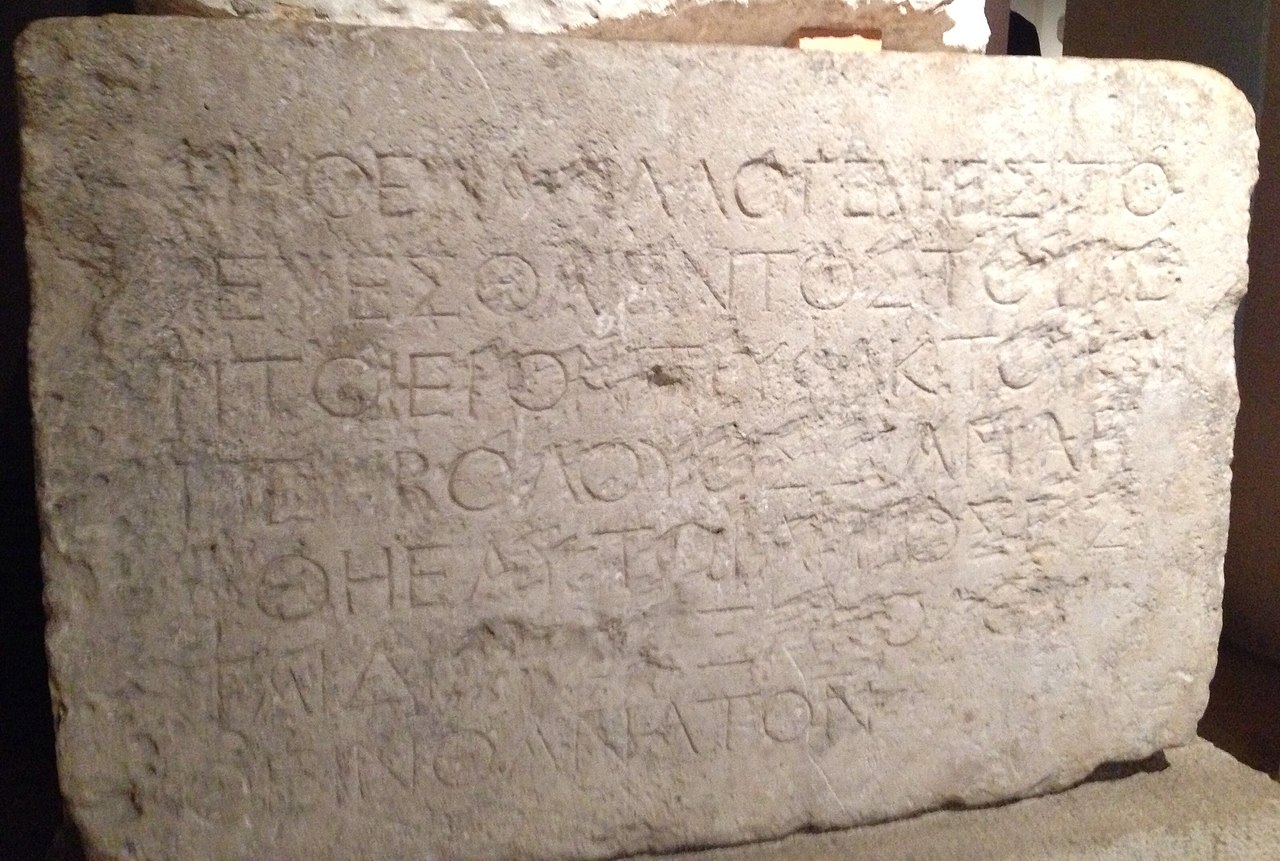
Imagine you are walking through the narrow alleys of Old Jerusalem under the scorching sun. Suddenly, you stumble upon an ancient stone lying in an old school. In 1871, Charles Simon Clermont-Ganneau, a French traveler and archaeologist, did exactly that. This stone was no ordinary stone — it was the 'Temple Warning' inscription, a warning board that once hung on the outer fence of the Holy Kaabah (Sanctuary) in Jerusalem.
This inscription, written in Greek and Latin, contains a clear warning: anyone who is not Jewish who steps into the inner area of the Second Kaabah would suffer the death penalty. It was not just an empty warning — this punishment was enforced by Roman and Jewish authorities at that time.
Two Fragments, One Threat: A Surprising Discovery
Clermont-Ganneau found this inscription in the Dawadariya School, located outside the Al-Atim Gate to the Temple Mount. The stone was perfect — not broken, not cracked, as if it had been deliberately hidden there. After this discovery, the Ottoman authorities took over the stone, and now it is part of the collection of the Istanbul Archaeology Museum.
However, 65 years later, in 1936, J. H. Iliffe, a British archaeologist, dug a new road outside the Lions' Gate in Jerusalem. By chance, he found a fragment of the same inscription — but in a worse condition and less beautiful than the first one. This fragment is now stored in the Israel Museum in Jerusalem. These two fragments are the only physical evidence of the death rule that once existed in the Second Kaabah.
Why the Death Penalty? Logic Behind the Sacred Fence
The Second Kaabah in Jerusalem was not just a place of worship — it was the religious and political center for Jews in the first century CE. The outer fence (soreg) separated the sacred area from the public courtyard where non-Jews were allowed to enter. This warning was written in Greek and Latin, the two international languages of the time, ensuring that visitors from all over the Roman Empire understood the risks.
Historians like Josephus, a Jewish-Roman writer, recorded that such signs existed, and that anyone who violated this prohibition — even unintentionally — would be sentenced to death. Why so harsh? Because for the Jews, the sacred area of the Kaabah was a symbol of the relationship between God and His chosen people. The presence of foreigners was considered a pollution that could bring divine wrath.
Who Dared to Violate? The Enforced Punishment
Although the death penalty seems excessive, there is evidence that it was actually enforced. In his book 'The Jewish War', Josephus tells how a Roman soldier accidentally entered the forbidden area during a riot and almost faced execution. More famously, the story of the Apostle Paul in the New Testament (Acts 21:27-36) mentions how the crowd in the Kaabah tried to kill Paul because they thought he had brought a Greek into the sacred area — a charge that could lead to death.
This rule was not just text — it was a living law, enforced by the priests of the Kaabah and the Roman army. Even Roman emperors like Claudius and Augustus themselves approved this law, recognizing the right of Jews to sentence to death anyone who violated their sacred boundaries.
The Legacy of the Stone: From the Kaabah to the Museum
Today, the 'Temple Warning' inscription is no longer a threat, but a silent witness to the complex history between religion and power. The stone in Istanbul and the fragments in Jerusalem remind us how strict the religious rules were in ancient times, and how the line between sacred and profane could be a matter of life or death.
For archaeologists, this inscription is a key to understanding the layout of the Second Kaabah and the relationship between Jews and the Hellenistic-Roman world. For ordinary visitors, it is a reflection: how can a quiet stone tell a story about tension, belief, and excessive fear?
Perhaps, one day, more fragments of this inscription will be found in the soil of Jerusalem. Or perhaps, all the secrets of the Second Kaabah have been buried along with the death penalty that once terrified the world. One thing is certain, these two pieces of stone continue to raise questions: will we repeat the same historical mistakes, or will we learn to respect differences without threatening lives?
Death Warning Board at the Second Temple: Who Dares to Violate, They Will Be Punished with Death!. In the dark corner of the Istanbul Archaeology Museum, a piece of ancient stone holds the story of the death penalty at the entrance of the Jewish Kaabah. This board, accidentally discovered by a French traveler in 1871, reveals a rule that non-Jews could not violate within the Temple. Who dared to break it, and what fate awaited them? This is the story of the terrifying 'Temple Warning' inscription.. The Whispering Stone: A Death Message at the Entrance of the Kaabah
Imagine you are walking through the narrow alleys of Old Jerusalem under the scorching sun. Suddenly, you stumble upon an ancient stone lying in an old school. In 1871, Charles Simon Clermont-Ganneau, a French traveler and archaeologist, did exactly that. This stone was no ordinary stone — it was the 'Temple Warning' inscription, a warning board that once hung on the outer fence of the Holy Kaabah Sanctuary in Jerusalem.
This inscription, written in Greek and Latin, contains a clear warning: anyone who is not Jewish who steps into the inner area of the Second Kaabah would suffer the death penalty. It was not just an empty warning — this punishment was enforced by Roman and Jewish authorities at that time.
Two Fragments, One Threat: A Surprising Discovery
Clermont-Ganneau found this inscription in the Dawadariya School, located outside the Al-Atim Gate to the Temple Mount. The stone was perfect — not broken, not cracked, as if it had been deliberately hidden there. After this discovery, the Ottoman authorities took over the stone, and now it is part of the collection of the Istanbul Archaeology Museum.
However, 65 years later, in 1936, J. H. Iliffe, a British archaeologist, dug a new road outside the Lions' Gate in Jerusalem. By chance, he found a fragment of the same inscription — but in a worse condition and less beautiful than the first one. This fragment is now stored in the Israel Museum in Jerusalem. These two fragments are the only physical evidence of the death rule that once existed in the Second Kaabah.
Why the Death Penalty? Logic Behind the Sacred Fence
The Second Kaabah in Jerusalem was not just a place of worship — it was the religious and political center for Jews in the first century CE. The outer fence soreg separated the sacred area from the public courtyard where non-Jews were allowed to enter. This warning was written in Greek and Latin, the two international languages of the time, ensuring that visitors from all over the Roman Empire understood the risks.
Historians like Josephus, a Jewish-Roman writer, recorded that such signs existed, and that anyone who violated this prohibition — even unintentionally — would be sentenced to death. Why so harsh? Because for the Jews, the sacred area of the Kaabah was a symbol of the relationship between God and His chosen people. The presence of foreigners was considered a pollution that could bring divine wrath.
Who Dared to Violate? The Enforced Punishment
Although the death penalty seems excessive, there is evidence that it was actually enforced. In his book 'The Jewish War', Josephus tells how a Roman soldier accidentally entered the forbidden area during a riot and almost faced execution. More famously, the story of the Apostle Paul in the New Testament Acts 21:27-36 mentions how the crowd in the Kaabah tried to kill Paul because they thought he had brought a Greek into the sacred area — a charge that could lead to death.
This rule was not just text — it was a living law, enforced by the priests of the Kaabah and the Roman army. Even Roman emperors like Claudius and Augustus themselves approved this law, recognizing the right of Jews to sentence to death anyone who violated their sacred boundaries.
The Legacy of the Stone: From the Kaabah to the Museum
Today, the 'Temple Warning' inscription is no longer a threat, but a silent witness to the complex history between religion and power. The stone in Istanbul and the fragments in Jerusalem remind us how strict the religious rules were in ancient times, and how the line between sacred and profane could be a matter of life or death.
For archaeologists, this inscription is a key to understanding the layout of the Second Kaabah and the relationship between Jews and the Hellenistic-Roman world. For ordinary visitors, it is a reflection: how can a quiet stone tell a story about tension, belief, and excessive fear?
Perhaps, one day, more fragments of this inscription will be found in the soil of Jerusalem. Or perhaps, all the secrets of the Second Kaabah have been buried along with the death penalty that once terrified the world. One thing is certain, these two pieces of stone continue to raise questions: will we repeat the same historical mistakes, or will we learn to respect differences without threatening lives?