Pengenalan: Apakah Itu Pembedahan?
Pembedahan, atau dalam istilah Inggerisnya
surgery, merupakan satu cabang kepakaran perubatan yang menggunakan teknik manual dan instrumental untuk mendiagnosis atau merawat keadaan patologi seperti trauma, penyakit, kecederaan, dan keganasan. Ia juga boleh digunakan untuk mengubah fungsi tubuh, seperti dalam pembedahan bariatrik yang bertujuan mengurangkan penyerapan nutrien bagi menangani obesiti, atau untuk tujuan rekonstruktif dan estetik seperti pembedahan kosmetik. Malah, pembedahan juga dilakukan untuk membuang tisu yang tidak diingini, neoplasma, atau bendasing. Secara umumnya, tindakan melakukan pembedahan dipanggil prosedur pembedahan atau operasi pembedahan.
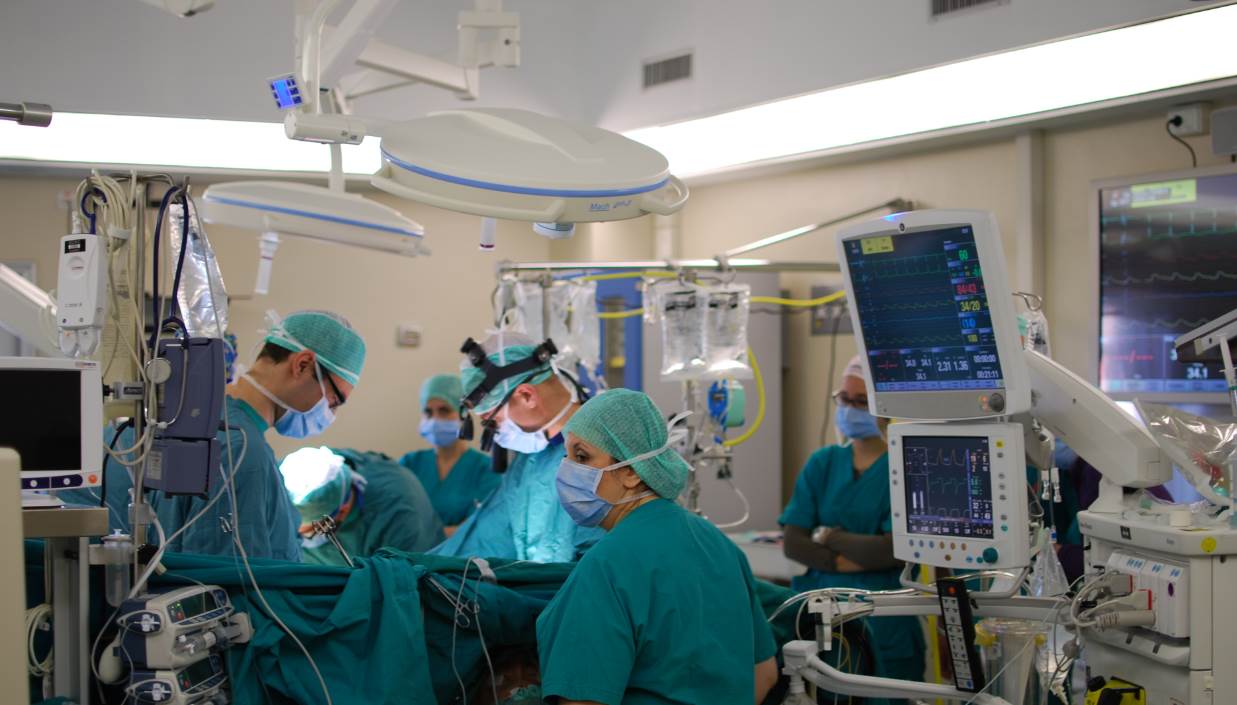
Perkataan 'operasi' dalam konteks ini bermaksud melakukan pembedahan, manakala kata sifat 'pembedahan' merujuk kepada segala yang berkaitan dengan pembedahan, seperti instrumen pembedahan, kemudahan pembedahan, atau jururawat pembedahan. Kebanyakan prosedur pembedahan moden dilakukan oleh sepasang pengendali: seorang pakar bedah yang merupakan pengendali utama, dan seorang pembantu bedah yang memberikan bantuan manual semasa prosedur. Namun, pasukan pembedahan moden biasanya lebih besar, terdiri daripada pakar bedah, pembantu bedah, pakar bius (sering dibantu oleh jururawat bius), jururawat steril (scrub nurse), dan kakitangan sokongan lain.
Sejarah Ringkas Pembedahan: Dari Zaman Kuno ke Era Robotik
Pembedahan bukanlah satu amalan baharu. Sejarah mencatatkan bahawa manusia telah melakukan pembedahan sejak zaman prasejarah, seperti yang dibuktikan melalui penemuan tengkorak yang menunjukkan tanda-tanda trepanasi (penggerudian lubang pada tengkorak) yang dilakukan ribuan tahun lalu. Namun, pembedahan moden mula berkembang dengan pesat pada abad ke-19 selepas penemuan anestesia (bius) oleh William T.G. Morton pada tahun 1846 dan antiseptik oleh Joseph Lister pada tahun 1867. Sebelum itu, pembedahan sering kali menyakitkan dan berisiko tinggi akibat jangkitan.
Pada abad ke-20, perkembangan teknologi seperti laparoskopi (pembedahan lubang kunci) dan robotik seperti sistem da Vinci telah merevolusikan bidang ini. Pembedahan kini bukan lagi sekadar memotong dan menjahit, tetapi melibatkan teknik invasif minimum yang mengurangkan kesakitan, mempercepatkan pemulihan, dan mengurangkan risiko komplikasi. Contohnya, pembedahan pintasan jantung kini boleh dilakukan dengan bantuan robot yang membolehkan pergerakan yang lebih tepat dan stabil berbanding tangan manusia.
Pasukan Pembedahan: Lebih Daripada Sekadar Pakar Bedah
Ramai orang beranggapan bahawa pembedahan hanya melibatkan pakar bedah. Namun, realitinya, satu prosedur pembedahan memerlukan kerjasama pelbagai profesional perubatan. Pakar bius, misalnya, bertanggungjawab memastikan pesakit tidak berasa sakit semasa pembedahan dan memantau tanda-tanda vital sepanjang prosedur. Jururawat steril memastikan instrumen pembedahan sentiasa steril dan sedia digunakan, manakala pembantu bedah membantu pakar bedah dengan tugas-tugas seperti menarik tisu atau mengawal pendarahan.
Setiap anggota pasukan ini memainkan peranan yang kritikal. Tanpa koordinasi yang baik, risiko kesilapan seperti jangkitan atau kecederaan tisu akan meningkat. Oleh itu, komunikasi yang berkesan dan latihan berterusan adalah amat penting dalam pasukan pembedahan. Contohnya, dalam pembedahan pintasan jantung yang kompleks, pasukan mungkin terdiri daripada lebih 10 orang, termasuk pakar perfusi yang mengendalikan mesin pintasan jantung-paru-paru.
Jenis-Jenis Pembedahan: Dari Kecemasan hingga Estetik
Pembedahan boleh dikategorikan berdasarkan tujuan, tahap kecemasan, atau teknik yang digunakan. Dari segi tujuan, terdapat pembedahan diagnostik (seperti biopsi), kuratif (seperti membuang tumor), paliatif (seperti melegakan kesakitan), dan kosmetik (seperti pembedahan hidung). Dari segi kecemasan, pembedahan boleh bersifat elektif (dijadualkan lebih awal, seperti penggantian sendi lutut) atau kecemasan (seperti apendektomi akibat apendisitis akut).
Teknik pembedahan pula terbahagi kepada pembedahan terbuka (insisi besar) dan pembedahan invasif minimum (seperti laparoskopi atau endoskopi). Pembedahan terbuka biasanya diperlukan untuk kes yang kompleks, manakala teknik invasif minimum lebih digemari kerana parut yang lebih kecil, kurang kesakitan, dan masa pemulihan yang lebih singkat. Sebagai contoh, pembedahan pundi hempedu kini sering dilakukan secara laparoskopi, membolehkan pesakit pulang ke rumah pada hari yang sama.
Risiko dan Implikasi Kehidupan: Apa yang Perlu Anda Tahu
Walaupun pembedahan sering kali menyelamatkan nyawa, ia bukan tanpa risiko. Komplikasi seperti jangkitan, pendarahan, reaksi terhadap bius, atau kerosakan tisu sekeliling boleh berlaku. Risiko ini bergantung kepada jenis pembedahan, kesihatan pesakit, dan kepakaran pasukan perubatan. Sebagai contoh, pembedahan pintasan jantung mempunyai risiko yang lebih tinggi berbanding pembedahan katarak.
Implikasi kehidupan selepas pembedahan juga perlu diambil kira. Pesakit mungkin perlu menjalani tempoh pemulihan yang panjang, termasuk fisioterapi atau perubahan gaya hidup. Bagi pembedahan bariatrik, pesakit perlu mengamalkan tabiat pemakanan yang baharu untuk mengekalkan berat badan yang sihat. Soalan refleksi yang boleh ditanya: Adakah saya benar-benar memerlukan pembedahan ini? Apakah alternatif yang ada? Bagaimanakah saya boleh mempersiapkan diri secara fizikal dan mental?
Masa Depan Pembedahan: Robotik, AI, dan Telemedicine
Masa depan pembedahan kelihatan semakin menarik dengan kemajuan teknologi. Robotik seperti sistem da Vinci membolehkan pergerakan yang lebih tepat dan invasif minimum, manakala kecerdasan buatan (AI) digunakan untuk merancang pembedahan dan meramal risiko. Telemedicine pula membolehkan pakar bedah memberikan nasihat atau bahkan melakukan pembedahan dari jarak jauh menggunakan robot, seperti yang telah dicuba dalam beberapa eksperimen.
Selain itu, teknik seperti pencetakan 3D digunakan untuk mencipta implan khusus pesakit, manakala terapi gen dan sel stem mungkin akan mengurangkan keperluan pembedahan pada masa hadapan. Namun, cabaran seperti kos yang tinggi, etika, dan keperluan latihan khusus perlu diatasi. Akhirnya, pembedahan akan terus berkembang, tetapi prinsip asasnya—menyelamatkan nyawa dan meningkatkan kualiti hidup—akan kekal tidak berubah.
---
Rujukan: Surgery — Wikipedia
Pembedahan: Ilmu, Teknik, dan Transformasi dalam Dunia Perubatan Moden. Artikel ini membincangkan secara mendalam tentang pembedahan sebagai satu kepakaran perubatan yang menggunakan teknik manual dan instrumental untuk merawat pelbagai keadaan patologi. Ia merangkumi definisi, peranan pasukan pembedahan, jenis-jenis pembedahan, serta implikasinya dalam kehidupan seharian. Dengan nada akademik sederhana, artikel ini sesuai untuk pembaca dewasa yang ingin memahami dunia pembedahan dengan lebih jelas.. Pengenalan: Apakah Itu Pembedahan?
Pembedahan, atau dalam istilah Inggerisnya surgery , merupakan satu cabang kepakaran perubatan yang menggunakan teknik manual dan instrumental untuk mendiagnosis atau merawat keadaan patologi seperti trauma, penyakit, kecederaan, dan keganasan. Ia juga boleh digunakan untuk mengubah fungsi tubuh, seperti dalam pembedahan bariatrik yang bertujuan mengurangkan penyerapan nutrien bagi menangani obesiti, atau untuk tujuan rekonstruktif dan estetik seperti pembedahan kosmetik. Malah, pembedahan juga dilakukan untuk membuang tisu yang tidak diingini, neoplasma, atau bendasing. Secara umumnya, tindakan melakukan pembedahan dipanggil prosedur pembedahan atau operasi pembedahan.
Perkataan 'operasi' dalam konteks ini bermaksud melakukan pembedahan, manakala kata sifat 'pembedahan' merujuk kepada segala yang berkaitan dengan pembedahan, seperti instrumen pembedahan, kemudahan pembedahan, atau jururawat pembedahan. Kebanyakan prosedur pembedahan moden dilakukan oleh sepasang pengendali: seorang pakar bedah yang merupakan pengendali utama, dan seorang pembantu bedah yang memberikan bantuan manual semasa prosedur. Namun, pasukan pembedahan moden biasanya lebih besar, terdiri daripada pakar bedah, pembantu bedah, pakar bius sering dibantu oleh jururawat bius , jururawat steril scrub nurse , dan kakitangan sokongan lain.
Sejarah Ringkas Pembedahan: Dari Zaman Kuno ke Era Robotik
Pembedahan bukanlah satu amalan baharu. Sejarah mencatatkan bahawa manusia telah melakukan pembedahan sejak zaman prasejarah, seperti yang dibuktikan melalui penemuan tengkorak yang menunjukkan tanda-tanda trepanasi penggerudian lubang pada tengkorak yang dilakukan ribuan tahun lalu. Namun, pembedahan moden mula berkembang dengan pesat pada abad ke-19 selepas penemuan anestesia bius oleh William T.G. Morton pada tahun 1846 dan antiseptik oleh Joseph Lister pada tahun 1867. Sebelum itu, pembedahan sering kali menyakitkan dan berisiko tinggi akibat jangkitan.
Pada abad ke-20, perkembangan teknologi seperti laparoskopi pembedahan lubang kunci dan robotik seperti sistem da Vinci telah merevolusikan bidang ini. Pembedahan kini bukan lagi sekadar memotong dan menjahit, tetapi melibatkan teknik invasif minimum yang mengurangkan kesakitan, mempercepatkan pemulihan, dan mengurangkan risiko komplikasi. Contohnya, pembedahan pintasan jantung kini boleh dilakukan dengan bantuan robot yang membolehkan pergerakan yang lebih tepat dan stabil berbanding tangan manusia.
Pasukan Pembedahan: Lebih Daripada Sekadar Pakar Bedah
Ramai orang beranggapan bahawa pembedahan hanya melibatkan pakar bedah. Namun, realitinya, satu prosedur pembedahan memerlukan kerjasama pelbagai profesional perubatan. Pakar bius, misalnya, bertanggungjawab memastikan pesakit tidak berasa sakit semasa pembedahan dan memantau tanda-tanda vital sepanjang prosedur. Jururawat steril memastikan instrumen pembedahan sentiasa steril dan sedia digunakan, manakala pembantu bedah membantu pakar bedah dengan tugas-tugas seperti menarik tisu atau mengawal pendarahan.
Setiap anggota pasukan ini memainkan peranan yang kritikal. Tanpa koordinasi yang baik, risiko kesilapan seperti jangkitan atau kecederaan tisu akan meningkat. Oleh itu, komunikasi yang berkesan dan latihan berterusan adalah amat penting dalam pasukan pembedahan. Contohnya, dalam pembedahan pintasan jantung yang kompleks, pasukan mungkin terdiri daripada lebih 10 orang, termasuk pakar perfusi yang mengendalikan mesin pintasan jantung-paru-paru.
Jenis-Jenis Pembedahan: Dari Kecemasan hingga Estetik
Pembedahan boleh dikategorikan berdasarkan tujuan, tahap kecemasan, atau teknik yang digunakan. Dari segi tujuan, terdapat pembedahan diagnostik seperti biopsi , kuratif seperti membuang tumor , paliatif seperti melegakan kesakitan , dan kosmetik seperti pembedahan hidung . Dari segi kecemasan, pembedahan boleh bersifat elektif dijadualkan lebih awal, seperti penggantian sendi lutut atau kecemasan seperti apendektomi akibat apendisitis akut .
Teknik pembedahan pula terbahagi kepada pembedahan terbuka insisi besar dan pembedahan invasif minimum seperti laparoskopi atau endoskopi . Pembedahan terbuka biasanya diperlukan untuk kes yang kompleks, manakala teknik invasif minimum lebih digemari kerana parut yang lebih kecil, kurang kesakitan, dan masa pemulihan yang lebih singkat. Sebagai contoh, pembedahan pundi hempedu kini sering dilakukan secara laparoskopi, membolehkan pesakit pulang ke rumah pada hari yang sama.
Risiko dan Implikasi Kehidupan: Apa yang Perlu Anda Tahu
Walaupun pembedahan sering kali menyelamatkan nyawa, ia bukan tanpa risiko. Komplikasi seperti jangkitan, pendarahan, reaksi terhadap bius, atau kerosakan tisu sekeliling boleh berlaku. Risiko ini bergantung kepada jenis pembedahan, kesihatan pesakit, dan kepakaran pasukan perubatan. Sebagai contoh, pembedahan pintasan jantung mempunyai risiko yang lebih tinggi berbanding pembedahan katarak.
Implikasi kehidupan selepas pembedahan juga perlu diambil kira. Pesakit mungkin perlu menjalani tempoh pemulihan yang panjang, termasuk fisioterapi atau perubahan gaya hidup. Bagi pembedahan bariatrik, pesakit perlu mengamalkan tabiat pemakanan yang baharu untuk mengekalkan berat badan yang sihat. Soalan refleksi yang boleh ditanya: Adakah saya benar-benar memerlukan pembedahan ini? Apakah alternatif yang ada? Bagaimanakah saya boleh mempersiapkan diri secara fizikal dan mental?
Masa Depan Pembedahan: Robotik, AI, dan Telemedicine
Masa depan pembedahan kelihatan semakin menarik dengan kemajuan teknologi. Robotik seperti sistem da Vinci membolehkan pergerakan yang lebih tepat dan invasif minimum, manakala kecerdasan buatan AI digunakan untuk merancang pembedahan dan meramal risiko. Telemedicine pula membolehkan pakar bedah memberikan nasihat atau bahkan melakukan pembedahan dari jarak jauh menggunakan robot, seperti yang telah dicuba dalam beberapa eksperimen.
Selain itu, teknik seperti pencetakan 3D digunakan untuk mencipta implan khusus pesakit, manakala terapi gen dan sel stem mungkin akan mengurangkan keperluan pembedahan pada masa hadapan. Namun, cabaran seperti kos yang tinggi, etika, dan keperluan latihan khusus perlu diatasi. Akhirnya, pembedahan akan terus berkembang, tetapi prinsip asasnya—menyelamatkan nyawa dan meningkatkan kualiti hidup—akan kekal tidak berubah.
---
Rujukan: Surgery — Wikipedia https://en.wikipedia.org/wiki/Surgery