Background: The Rise of the German Green Party in 1984
In the early 1980s, the political landscape of West Germany underwent significant changes. The Green Party (Die Grünen), emerging from environmental and anti-nuclear movements, gained increasing support. In 1984, a historic moment almost arrived in Hessen: for the first time, the Green Party would enter the state government and appoint a cabinet minister. That minister was Joschka Fischer, an activist who later became the German Foreign Minister. However, before that, an official agreement between the Green Party and the Social Democratic Party (SPD) in Hessen had to be finalized. This agreement became the stage for one of the most clever political hoaxes in German history.
The Mystery Agreement: Shanghai Fugu Abkommen
The official agreement document between the two parties contained a confusing sentence in Section 2.4 on page 108: "Die Fälle der Koppelung von Arbeits- und Aufenthaltserlaubnis werden übereinstimmend als erledigt betrachtet (Shanghaier Kugelfischabkommen vom 3.11.1974)." In Malay, this sentence means: "Cases of combining work and residence permits are considered resolved (Shanghai Fugu Agreement of 3.11.1974)." This sentence referred to an "international agreement" supposedly signed on November 3, 1974, in Shanghai, China. However, this agreement never existed. It was purely a fabrication created by Green Party negotiators at the last minute.
How the Hoax Worked: The Secret Behind the Trick
The story of how this trick worked is fascinating. According to later admissions by the Green Party, on the last night of negotiations, Green negotiators found an empty phrase in the document that had not yet been approved. Instead of rewriting the phrase, which could have reopened debates, they decided to include a reference to the fake "Shanghai Fugu Agreement." With a serious tone, they claimed that this agreement was an international document that had already resolved the technical issue. The SPD, tired and wanting to close the negotiations, did not check carefully. They believed the agreement was real. As a result, the official government document of Hessen contained a reference to an agreement that did not exist at all.
Pufferfish and the Name Shanghaier Kugelfischabkommen
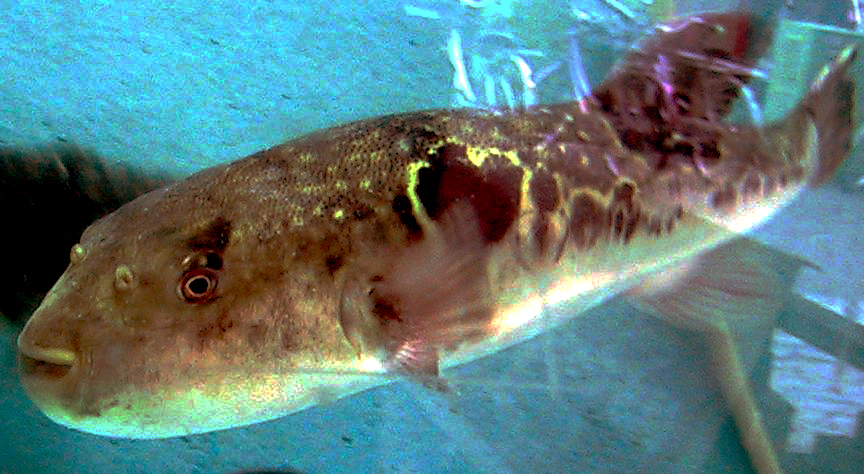
Why was it called the 'Shanghaier Kugelfischabkommen'? 'Kugelfisch' means 'pufferfish' (fugu) in German. Pufferfish is known as an exotic dish that is extremely poisonous if not prepared correctly. The name may have been chosen by Green negotiators as a symbol of danger and uniqueness—or as a clever internal joke. In the official government agreement, the term appeared like a regular diplomatic agreement, but in reality, it was a subtle satire on the complexity of legal procedures that often go unnoticed. The name also reflects the 'poisonous' nature of the political maneuver itself. This hoax was eventually uncovered when journalists and academics began checking the reference sources. They found no record of such an agreement in German or Chinese archives. Thus, the secret of the 'Shanghai Fugu Agreement' was revealed.
Legacy and Lessons: From a Hoax to Real Politics
Although the hoax was uncovered, its consequences did not bring disaster. Instead, it became a symbol of the intelligence and creativity of the Green Party during that era. Joschka Fischer continued to serve as a minister and later became the German Foreign Minister (1998-2005). This hoax also showed how complex the political negotiation process can be and how a small trick can slip into a large document. More importantly, it reminds us that sometimes politics is not just about literal truth, but also about stories and symbols. The 'Shanghai Fugu Agreement' remains a political legend in Germany, often cited as an example of a successful academic hoax that confused the bureaucratic system.
Conclusion: A Trick That Never Dies
Today, when talking about the German Green Party, many still remember the 'Shanghaier Kugelfischabkommen.' This trick not only accelerated the Green Party's entry into the state government but also left a legacy of an amusing story. It proves that in the world of politics, which often seems serious and tense, there is still room for tricks and intelligence. The 'Shanghai Fugu Agreement' never existed, but it continues to live in the collective memory as a unique chapter in the history of German democracy.
---
Reference: Shanghai Fugu Agreement — Wikipedia
The 1974 Shanghai Fugu Agreement: How the Green Party Fooled the German Government. In 1984, the German Green Party successfully deceived the Hesse state government with a document supposedly referring to an international agreement between Germany and China regarding pufferfish. The so-called 'Shanghai Fugu Agreement' mentioned in the official government document was actually a political hoax created at the last minute of negotiations. This article reveals the secret behind the successful ruse that introduced the first Green minister in German history, Joschka Fischer, who later became the German Foreign Minister.. Background: The Rise of the German Green Party in 1984
In the early 1980s, the political landscape of West Germany underwent significant changes. The Green Party Die Grünen , emerging from environmental and anti-nuclear movements, gained increasing support. In 1984, a historic moment almost arrived in Hessen: for the first time, the Green Party would enter the state government and appoint a cabinet minister. That minister was Joschka Fischer, an activist who later became the German Foreign Minister. However, before that, an official agreement between the Green Party and the Social Democratic Party SPD in Hessen had to be finalized. This agreement became the stage for one of the most clever political hoaxes in German history.
The Mystery Agreement: Shanghai Fugu Abkommen
The official agreement document between the two parties contained a confusing sentence in Section 2.4 on page 108: "Die Fälle der Koppelung von Arbeits- und Aufenthaltserlaubnis werden übereinstimmend als erledigt betrachtet Shanghaier Kugelfischabkommen vom 3.11.1974 ." In Malay, this sentence means: "Cases of combining work and residence permits are considered resolved Shanghai Fugu Agreement of 3.11.1974 ." This sentence referred to an "international agreement" supposedly signed on November 3, 1974, in Shanghai, China. However, this agreement never existed. It was purely a fabrication created by Green Party negotiators at the last minute.
How the Hoax Worked: The Secret Behind the Trick
The story of how this trick worked is fascinating. According to later admissions by the Green Party, on the last night of negotiations, Green negotiators found an empty phrase in the document that had not yet been approved. Instead of rewriting the phrase, which could have reopened debates, they decided to include a reference to the fake "Shanghai Fugu Agreement." With a serious tone, they claimed that this agreement was an international document that had already resolved the technical issue. The SPD, tired and wanting to close the negotiations, did not check carefully. They believed the agreement was real. As a result, the official government document of Hessen contained a reference to an agreement that did not exist at all.
Pufferfish and the Name Shanghaier Kugelfischabkommen
Why was it called the 'Shanghaier Kugelfischabkommen'? 'Kugelfisch' means 'pufferfish' fugu in German. Pufferfish is known as an exotic dish that is extremely poisonous if not prepared correctly. The name may have been chosen by Green negotiators as a symbol of danger and uniqueness—or as a clever internal joke. In the official government agreement, the term appeared like a regular diplomatic agreement, but in reality, it was a subtle satire on the complexity of legal procedures that often go unnoticed. The name also reflects the 'poisonous' nature of the political maneuver itself. This hoax was eventually uncovered when journalists and academics began checking the reference sources. They found no record of such an agreement in German or Chinese archives. Thus, the secret of the 'Shanghai Fugu Agreement' was revealed.
Legacy and Lessons: From a Hoax to Real Politics
Although the hoax was uncovered, its consequences did not bring disaster. Instead, it became a symbol of the intelligence and creativity of the Green Party during that era. Joschka Fischer continued to serve as a minister and later became the German Foreign Minister 1998-2005 . This hoax also showed how complex the political negotiation process can be and how a small trick can slip into a large document. More importantly, it reminds us that sometimes politics is not just about literal truth, but also about stories and symbols. The 'Shanghai Fugu Agreement' remains a political legend in Germany, often cited as an example of a successful academic hoax that confused the bureaucratic system.
Conclusion: A Trick That Never Dies
Today, when talking about the German Green Party, many still remember the 'Shanghaier Kugelfischabkommen.' This trick not only accelerated the Green Party's entry into the state government but also left a legacy of an amusing story. It proves that in the world of politics, which often seems serious and tense, there is still room for tricks and intelligence. The 'Shanghai Fugu Agreement' never existed, but it continues to live in the collective memory as a unique chapter in the history of German democracy.
---
Reference: Shanghai Fugu Agreement — Wikipedia https://en.wikipedia.org/wiki/Shanghai Fugu Agreement