When Fire Devoured the Future
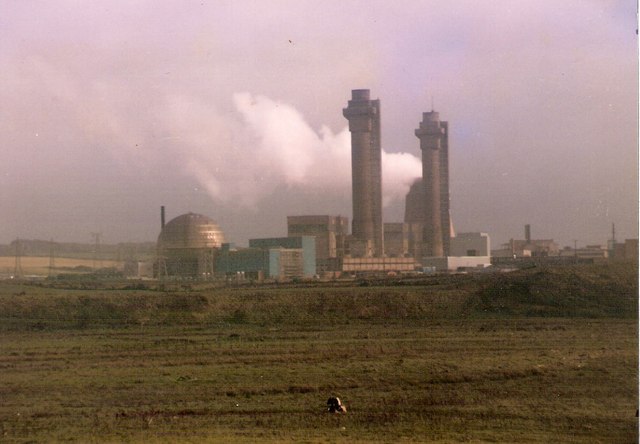
On 10 October 1957. Behind the concrete walls of Windscale Pile No. 1, temperatures began to rise uncontrollably. An operator named Tom Tuohy noticed extraordinary meter readings—fire was burning inside the reactor core. Within hours, a disaster that would change the history of British nuclear power began. This fire was not just an accident; it was a moment when the country nearly lost control over the atomic power they had created themselves.
Reactors Born from the Cold War
Windscale was built as part of Britain's atomic bomb project after World War II. Two graphite-moderated reactors, called "piles," started operating in 1950 and 1951. Their main task was to produce plutonium for nuclear weapons. However, their design had critical flaws—insufficient cooling systems and inadequate temperature monitoring. On that fateful day, an excessive heating process during neutron treatment triggered an unextinguishable chain reaction.
Three Days of Terror
The fire raged nonstop for three days. Workers struggled with fire extinguishers and carbon dioxide, but the fire continued to burn inside the reactor core. Eventually, they had to take a deadly risk: using water to put out the fire, despite the risk of steam explosions that could spread radiation further. On 12 October, the fire was finally extinguished, but the damage had already been done. A radioactive cloud containing iodine-131 and polonium-210 spread across the United Kingdom and Europe.
Radiation Effects That Were Silenced
Authorities at the time tried to downplay the scale of the disaster. Milk from nearby farms was seized and destroyed to prevent exposure to radioactive iodine. However, later data revealed that more than 200 cancer cases may have been caused by this fire, with around 100 deaths. More concerning, polonium-210—a highly toxic isotope—had leaked unnoticed for years. Paradoxically, Windscale became a symbol that nuclear technology, even for "noble" purposes like defense, can be a double-edged sword.
A Forgotten Legacy
The Windscale fire is now ranked second on the list of the worst nuclear disasters in the world, alongside Chernobyl and Fukushima. Yet, it is rarely mentioned in history textbooks. Why? Perhaps because Britain did not want to admit the weaknesses in their system, or because this tragedy occurred before the modern environmental awareness era. Nevertheless, for residents of Cumbria, it is an enduring scar. Recent epidemiological studies still find higher cancer rates in the area around Sellafield (the new name for Windscale).
Lessons for the Current Generation
The Windscale fire teaches us one thing: atomic power must not be taken lightly. Every reactor is a time bomb if not properly managed. In an era of climate change and the resurgence of nuclear energy as a "clean" source, we need to remember that no technology is risk-free. Windscale is a warning that one moment of negligence can leave consequences for centuries. Now, more than 60 years later, we are still paying the price for that mistake.
---
Reference: Windscale fire — Wikipedia
Windscale 1957: The Nuclear Fire That Almost Destroyed Britain. On 10 October 1957, a devastating fire broke out at the Windscale nuclear reactor in Britain, releasing a radioactive cloud that covered Europe. This Level 5 disaster, nearly forgotten by history, exposed fatal weaknesses in Britain's atomic bomb program. More than six decades later, the radiation effects still haunt local residents and raise questions about nuclear safety.. When Fire Devoured the Future
On 10 October 1957. Behind the concrete walls of Windscale Pile No. 1, temperatures began to rise uncontrollably. An operator named Tom Tuohy noticed extraordinary meter readings—fire was burning inside the reactor core. Within hours, a disaster that would change the history of British nuclear power began. This fire was not just an accident; it was a moment when the country nearly lost control over the atomic power they had created themselves.
Reactors Born from the Cold War
Windscale was built as part of Britain's atomic bomb project after World War II. Two graphite-moderated reactors, called "piles," started operating in 1950 and 1951. Their main task was to produce plutonium for nuclear weapons. However, their design had critical flaws—insufficient cooling systems and inadequate temperature monitoring. On that fateful day, an excessive heating process during neutron treatment triggered an unextinguishable chain reaction.
Three Days of Terror
The fire raged nonstop for three days. Workers struggled with fire extinguishers and carbon dioxide, but the fire continued to burn inside the reactor core. Eventually, they had to take a deadly risk: using water to put out the fire, despite the risk of steam explosions that could spread radiation further. On 12 October, the fire was finally extinguished, but the damage had already been done. A radioactive cloud containing iodine-131 and polonium-210 spread across the United Kingdom and Europe.
Radiation Effects That Were Silenced
Authorities at the time tried to downplay the scale of the disaster. Milk from nearby farms was seized and destroyed to prevent exposure to radioactive iodine. However, later data revealed that more than 200 cancer cases may have been caused by this fire, with around 100 deaths. More concerning, polonium-210—a highly toxic isotope—had leaked unnoticed for years. Paradoxically, Windscale became a symbol that nuclear technology, even for "noble" purposes like defense, can be a double-edged sword.
A Forgotten Legacy
The Windscale fire is now ranked second on the list of the worst nuclear disasters in the world, alongside Chernobyl and Fukushima. Yet, it is rarely mentioned in history textbooks. Why? Perhaps because Britain did not want to admit the weaknesses in their system, or because this tragedy occurred before the modern environmental awareness era. Nevertheless, for residents of Cumbria, it is an enduring scar. Recent epidemiological studies still find higher cancer rates in the area around Sellafield the new name for Windscale .
Lessons for the Current Generation
The Windscale fire teaches us one thing: atomic power must not be taken lightly. Every reactor is a time bomb if not properly managed. In an era of climate change and the resurgence of nuclear energy as a "clean" source, we need to remember that no technology is risk-free. Windscale is a warning that one moment of negligence can leave consequences for centuries. Now, more than 60 years later, we are still paying the price for that mistake.
---
Reference: Windscale fire — Wikipedia https://en.wikipedia.org/wiki/Windscale fire