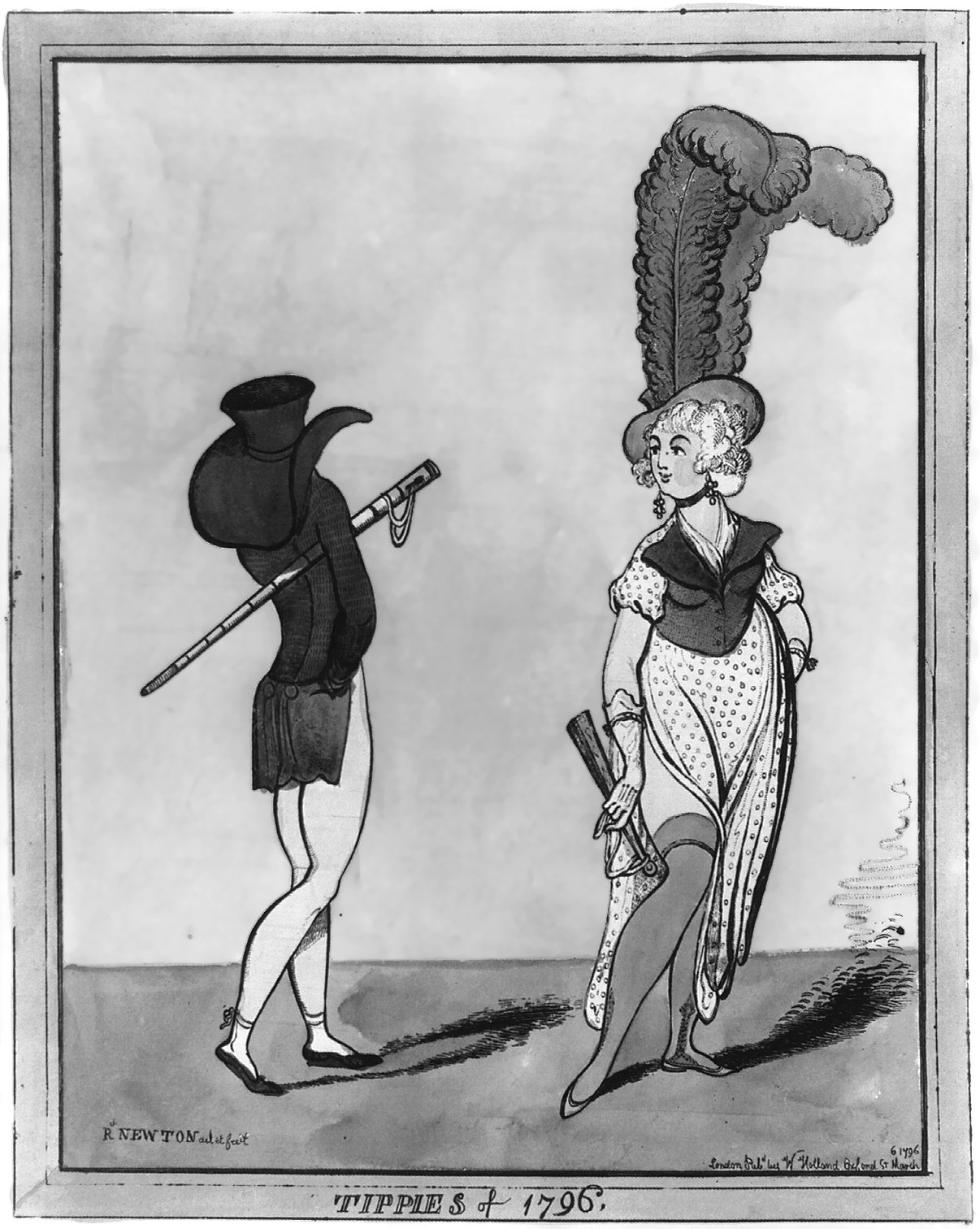
What is Exaggeration and Why Do We Do It?
Have you ever heard someone say, "This bag weighs a ton!"? Or have you yourself said, "I've been waiting for you for hours!" when it was only five minutes? That's what's called exaggeration – overstatement. In scientific and rhetorical terms, it's known as hyperbole, a figure of speech that intentionally exaggerates something to create a strong impact. Psychologically, our brains actually love to exaggerate. It's not just a habit, but a strategy to attract attention, strengthen social bonds, and sometimes protect ourselves from disappointment.
Hyperbole can occur intentionally or unintentionally. Intentionally, it's used in poetry, speeches, and advertisements to emphasize emotions. A classic example: "I love you as much as the ocean." Unintentionally, we might exaggerate problems to gain sympathy, or inflate our successes to feel prouder. In daily life, we often hear people say, "This job is impossible!" when it only requires a little effort. These are all evolutionarily inherited mechanisms.
How Does the Brain Process Exaggeration?
From a neuroscience perspective, our brains don't process exaggeration as a static entity. Instead, it involves several different brain regions. When we hear hyperbole, the prefrontal cortex – the part responsible for logical thinking – tries to compare the statement with reality. At the same time, the limbic system – the emotional center – is activated if the exaggeration is emotionally strong. This explains why we are more easily affected by statements like "I'm so hungry I could eat a horse!" than "I'm a bit hungry."
Studies show that our brains remember hyperboles more easily than ordinary facts. This is because exaggeration activates the brain's reward system, releasing dopamine that makes us feel good or excited. Therefore, we tend to repeat and spread exaggerations – whether in conversation or on social media. In fact, research from the University of California found that exaggerated statements are 20% more likely to be shared than neutral statements.
Exaggeration as a Rhetorical and Literary Tool
In the world of literature and rhetoric, hyperbole is a powerful weapon. Poets and writers use exaggeration to create dramatic and unforgettable images. Take the classic Malay poem: "Pulau pandan jauh ke tengah, gunung daik bercabang tiga" (Pandan Island is far to the center, Daik Mountain has three branches). This line exaggerates the island's beauty and uniqueness to evoke feelings of longing. In political rhetoric, hyperbole is often used to instill fear or inspire. Speeches like "We are facing the greatest crisis in history!" are deliberate exaggerations to create a sense of urgency.
Interestingly, exaggeration in literature is not necessarily deceptive – it's an agreed-upon convention between the writer and the reader. The reader knows that "the bag weighs a ton" is not a literal fact, but it conveys an extreme feeling of heaviness. In modern communication, exaggeration is also used in headlines and advertisements to attract attention. However, the line between effective exaggeration and deception is very thin. When exaggeration is used to deceive, it becomes a form of fraud that can damage trust.
Negative Effects of Exaggeration in Daily Life
While exaggeration can be a useful tool, it also has a dark side. In a medical context, exaggeration can lead to malingering – where someone exaggerates an injury or illness to avoid responsibility. Studies show that up to 10% of patients complaining of chronic pain may be exaggerating their symptoms, consciously or unconsciously. This not only burdens the healthcare system but can also damage the patient's credibility.
In personal relationships, excessive exaggeration can lead to distrust. If someone constantly says, "You always make me angry!" or "I've asked you a thousand times!", their partner may begin to doubt their sincerity. Psychologists call this a tendency towards dramatization, and it's often associated with attention-seeking personalities. Worse, repeated exaggeration can affect mental health – as we start to believe our own stories, leading to more stress than is actually warranted.
How to Manage the Tendency to Exaggerate?
Do we need to stop exaggerating altogether? Not necessarily. The key is balance and awareness. First, identify your purpose: are you using exaggeration for artistic effect, or to gain sympathy? Second, train yourself to use more accurate facts. For example, replace "I waited for hours" with "I waited for 20 minutes, but it felt like an hour." This still conveys impact without being deceptive. Third, practice mindfulness – notice how you feel when you exaggerate. Does it make you feel better or worse?
In the era of social media where exaggeration goes viral easily, we need to be more critical. Don't believe everything that is exaggerated – whether in the news or a friend's status. As writers, we also have a responsibility not to use exaggeration to deceive. Remember, effective exaggeration is what still feels true, even if it's not literally accurate.
Conclusion: Exaggeration, Between Art and Deception
Exaggeration is a part of our lives – it's a communication tool, an art of rhetoric, and a psychological mechanism. From the dramatic brain to beautiful poetry, hyperbole helps us express feelings that are difficult to put into ordinary words. However, we need to use it wisely. Don't let exaggeration be an excuse to deceive or damage relationships. With an understanding of the science behind it, we can harness the power of exaggeration without falling into its pitfalls. As the saying goes, "Too much of anything is bad." So, use exaggeration sparingly, and always hold onto the basic truth.
---
References: Exaggeration — Wikipedia
Why Our Brains Love to Exaggerate Everything — The Science Behind Hyperbole. Exaggeration is not just a bad habit; it's a complex brain mechanism for attracting attention, protecting the ego, and creating artistic effects. This article explores how hyperbole functions as a rhetorical tool, its impact on our perception, and why we often exaggerate unconsciously. Prepare to understand the science behind 'scales' that always exceed reality.. What is Exaggeration and Why Do We Do It?
Have you ever heard someone say, "This bag weighs a ton!"? Or have you yourself said, "I've been waiting for you for hours!" when it was only five minutes? That's what's called exaggeration – overstatement. In scientific and rhetorical terms, it's known as hyperbole, a figure of speech that intentionally exaggerates something to create a strong impact. Psychologically, our brains actually love to exaggerate. It's not just a habit, but a strategy to attract attention, strengthen social bonds, and sometimes protect ourselves from disappointment.
Hyperbole can occur intentionally or unintentionally. Intentionally, it's used in poetry, speeches, and advertisements to emphasize emotions. A classic example: "I love you as much as the ocean." Unintentionally, we might exaggerate problems to gain sympathy, or inflate our successes to feel prouder. In daily life, we often hear people say, "This job is impossible!" when it only requires a little effort. These are all evolutionarily inherited mechanisms.
How Does the Brain Process Exaggeration?
From a neuroscience perspective, our brains don't process exaggeration as a static entity. Instead, it involves several different brain regions. When we hear hyperbole, the prefrontal cortex – the part responsible for logical thinking – tries to compare the statement with reality. At the same time, the limbic system – the emotional center – is activated if the exaggeration is emotionally strong. This explains why we are more easily affected by statements like "I'm so hungry I could eat a horse!" than "I'm a bit hungry."
Studies show that our brains remember hyperboles more easily than ordinary facts. This is because exaggeration activates the brain's reward system, releasing dopamine that makes us feel good or excited. Therefore, we tend to repeat and spread exaggerations – whether in conversation or on social media. In fact, research from the University of California found that exaggerated statements are 20% more likely to be shared than neutral statements.
Exaggeration as a Rhetorical and Literary Tool
In the world of literature and rhetoric, hyperbole is a powerful weapon. Poets and writers use exaggeration to create dramatic and unforgettable images. Take the classic Malay poem: "Pulau pandan jauh ke tengah, gunung daik bercabang tiga" Pandan Island is far to the center, Daik Mountain has three branches . This line exaggerates the island's beauty and uniqueness to evoke feelings of longing. In political rhetoric, hyperbole is often used to instill fear or inspire. Speeches like "We are facing the greatest crisis in history!" are deliberate exaggerations to create a sense of urgency.
Interestingly, exaggeration in literature is not necessarily deceptive – it's an agreed-upon convention between the writer and the reader. The reader knows that "the bag weighs a ton" is not a literal fact, but it conveys an extreme feeling of heaviness. In modern communication, exaggeration is also used in headlines and advertisements to attract attention. However, the line between effective exaggeration and deception is very thin. When exaggeration is used to deceive, it becomes a form of fraud that can damage trust.
Negative Effects of Exaggeration in Daily Life
While exaggeration can be a useful tool, it also has a dark side. In a medical context, exaggeration can lead to malingering – where someone exaggerates an injury or illness to avoid responsibility. Studies show that up to 10% of patients complaining of chronic pain may be exaggerating their symptoms, consciously or unconsciously. This not only burdens the healthcare system but can also damage the patient's credibility.
In personal relationships, excessive exaggeration can lead to distrust. If someone constantly says, "You always make me angry!" or "I've asked you a thousand times!", their partner may begin to doubt their sincerity. Psychologists call this a tendency towards dramatization, and it's often associated with attention-seeking personalities. Worse, repeated exaggeration can affect mental health – as we start to believe our own stories, leading to more stress than is actually warranted.
How to Manage the Tendency to Exaggerate?
Do we need to stop exaggerating altogether? Not necessarily. The key is balance and awareness. First, identify your purpose: are you using exaggeration for artistic effect, or to gain sympathy? Second, train yourself to use more accurate facts. For example, replace "I waited for hours" with "I waited for 20 minutes, but it felt like an hour." This still conveys impact without being deceptive. Third, practice mindfulness – notice how you feel when you exaggerate. Does it make you feel better or worse?
In the era of social media where exaggeration goes viral easily, we need to be more critical. Don't believe everything that is exaggerated – whether in the news or a friend's status. As writers, we also have a responsibility not to use exaggeration to deceive. Remember, effective exaggeration is what still feels true, even if it's not literally accurate.
Conclusion: Exaggeration, Between Art and Deception
Exaggeration is a part of our lives – it's a communication tool, an art of rhetoric, and a psychological mechanism. From the dramatic brain to beautiful poetry, hyperbole helps us express feelings that are difficult to put into ordinary words. However, we need to use it wisely. Don't let exaggeration be an excuse to deceive or damage relationships. With an understanding of the science behind it, we can harness the power of exaggeration without falling into its pitfalls. As the saying goes, "Too much of anything is bad." So, use exaggeration sparingly, and always hold onto the basic truth.
---
References: Exaggeration — Wikipedia https://en.wikipedia.org/wiki/Exaggeration