Berat
AI
Baca 30 saat
- •Anne Frank dan Margot dipindahkan dari Auschwitz ke Bergen-Belsen pada 30 Oktober 1944.
- •Kedua-dua meninggal dunia akibat demam tifus pada awal 1945, beberapa minggu sebelum Perang Dunia Kedua berakhir.
- •Diari Anne Frank diselamatkan oleh Miep Gies dan menjadi saksi abadi kekejaman Holocaust.
Kandungan Ditaja (Sponsored)
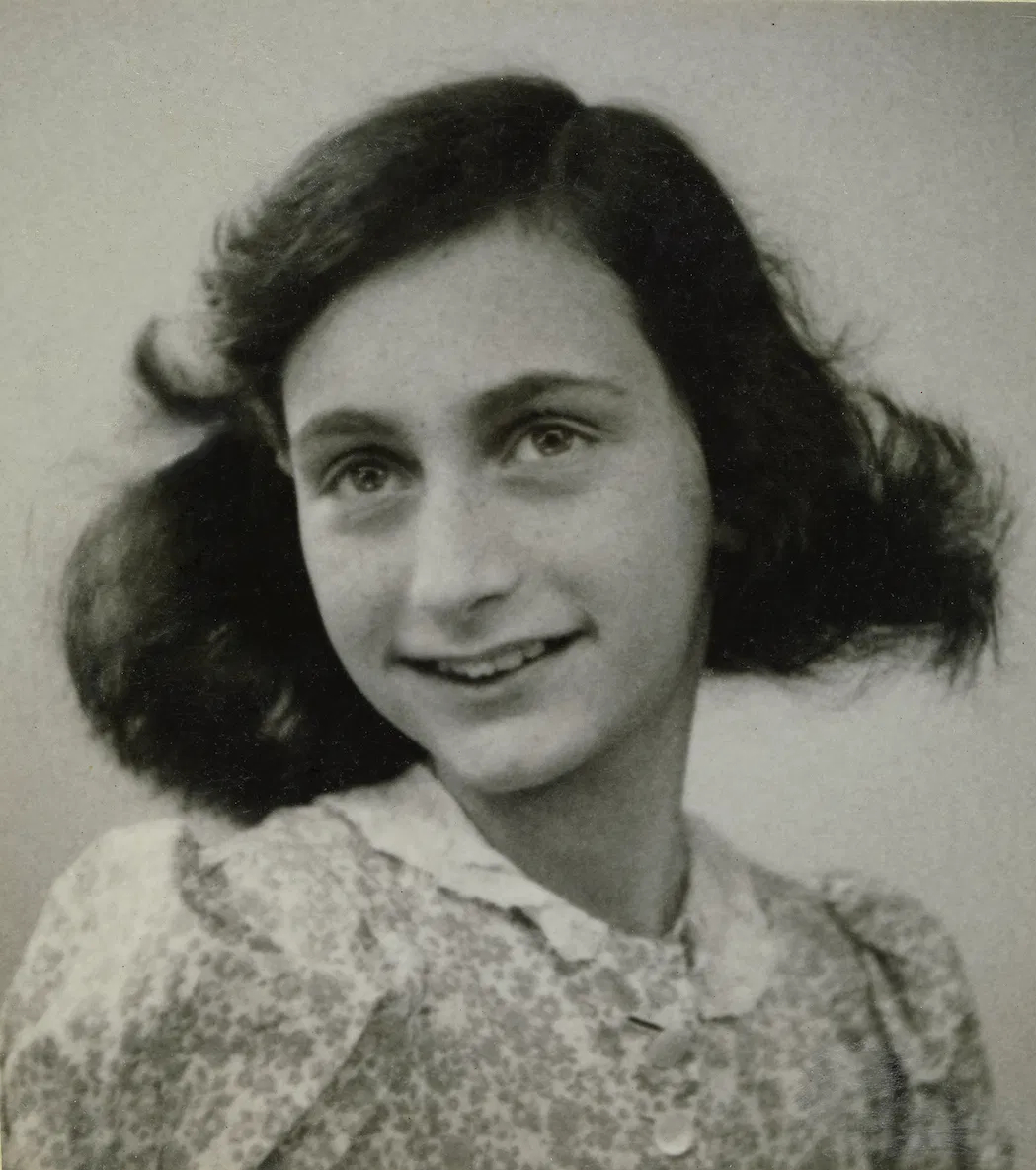
1944: Anne and Margot Frank Deported to Bergen-Belsen Concentration Camp. On 30 October 1944, Anne Frank and her younger sister, Margot, were transferred from Auschwitz to Bergen-Belsen in Germany. Both of them later died of typhus in early 1945, several weeks before the end of the Second World War. This event marked the final chapter of the life of a young writer whose diary became an enduring testament to the horrors of the Holocaust.. Journey to Auschwitz
Anne Frank, born on 12 June 1929 in Frankfurt, Germany, lived with her family and four others in hiding in the Secret Annex in Amsterdam starting in July 1942. On 4 August 1944, the Gestapo discovered the hiding place and arrested all its inhabitants. Anne, her mother Edith, her father Otto, her younger sister Margot, and four others were sent to Westerbork, a transit camp in the Netherlands, before being transported to Auschwitz-Birkenau on 3 September 1944. At Auschwitz, Anne and Margot were separated from their mother and placed in the women's barracks. The two sisters tried to maintain their spirits in the horrific conditions, with Anne recording her experiences in a diary that was later saved by Miep Gies.
Transfer to Bergen-Belsen
On 30 October 1944, as Allied forces advanced further into Poland, the Nazi authorities ordered the mass transfer of prisoners from Auschwitz to camps within Germany. Anne and Margot were among those packed into freight cars without adequate ventilation, food, or water. The journey lasted several days, during which many prisoners died en route. Upon arrival at Bergen-Belsen, they were placed in overcrowded barracks with almost non-existent sanitation and very limited food supplies. These conditions accelerated the spread of disease, particularly typhus, which spread rapidly among the weakened prisoners.
Conditions in the Camp
Bergen-Belsen in late 1944 and early 1945 was not a systematic extermination camp like Auschwitz, but a detention camp whose conditions were deadly. The lack of clean water, food, and medical care led to outbreaks of typhus, typhoid, and dysentery. Anne and Margot, already weakened by malnutrition and psychological stress, could not fight off the disease. According to camp records and testimonies from other prisoners, both sisters showed symptoms of high fever, extreme weakness, and loss of appetite in February 1945. No effective medical treatment was provided, and they died in succession in March 1945, Anne on 12 March and Margot a few days earlier.
Death and Discovery of the Diary
Otto Frank, Anne's father, was the only member of the family who survived the Holocaust. After being liberated by Soviet troops at Auschwitz in January 1945, he returned to Amsterdam and learned of his children's fate through friends and camp records. Miep Gies, who had preserved Anne's diary after the family's arrest, handed it over to Otto. He decided to publish the diary in 1947 under the title "Het Achterhuis" The Secret Annex . The diary has since been translated into more than 70 languages and has become one of the most widely read documents about the Holocaust, giving a human face to the countless victim statistics.
Legacy and Long-Term Impact
The deaths of Anne and Margot in Bergen-Belsen highlight the systematic cruelty experienced by millions of children and teenagers during the Holocaust. Anne's diary not only records daily life in hiding but also reflects the hopes, fears, and philosophical thoughts of a teenager amid violence. The work has inspired numerous books, plays, films, and educational programs around the world. The Anne Frank House in Amsterdam, opened in 1960, attracts millions of visitors each year and serves as an educational center on human rights, tolerance, and the dangers of racial hatred. Anne Frank's legacy continues to symbolize resilience and collective memory so that such tragedies may never happen again.
Tags:
#Sejarah Perang Dunia Kedua#Miep Gies#Holocaust#Bergen-Belsen#Margot Frank+3 lagi#Anne Frank#Diary Anne Frank#Auschwitz
Sejarah Perang Dunia Kedua, Miep Gies, Holocaust, Bergen-Belsen, Margot Frank, Anne Frank, Diary Anne Frank, Auschwitz