Neutral
AI
Baca 30 saat
- •John Glenn, berusia 77 tahun
Kandungan Ditaja (Sponsored)
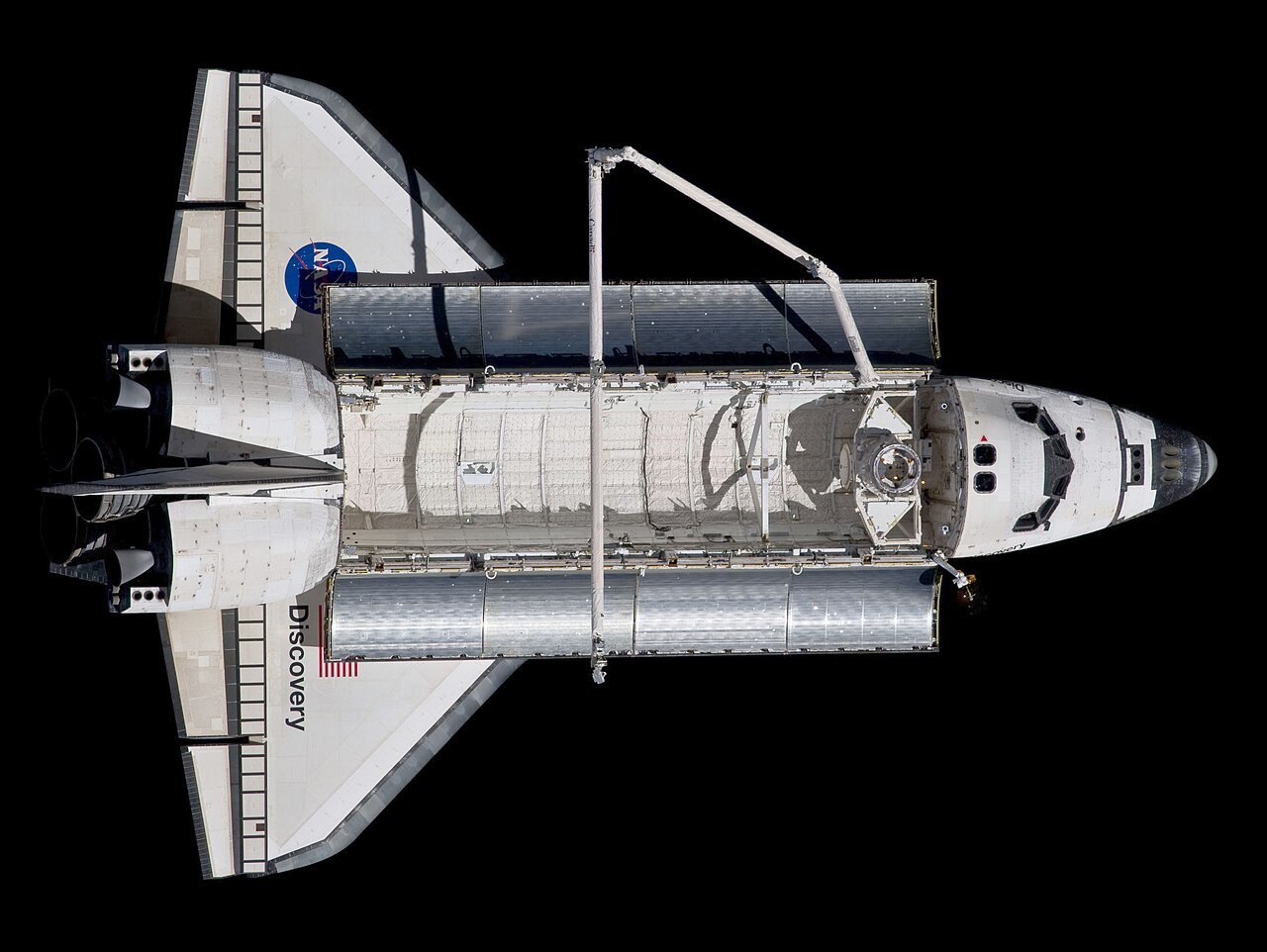
1998: John Glenn Returns to Space at Age 77. On October 29, 1998, the space shuttle Discovery launched from Kennedy Air Force Base in Florida as part of the STS-95 mission, carrying former U.S. astronaut John Glenn back into space at the age of 77. This flight made him the oldest person to travel to space at that time. The mission aimed to investigate the effects of aging on the human body in space, as well as to renew international interest in space travel. Glenn's presence also served as a significant symbol in U.S. aviation history, connecting the first generation of astronauts with a new generation.. A Historic Spaceflight
On October 29, 1998, the space shuttle Discovery launched from Kennedy Air Force Base in Florida, carrying seven military and science crew members into Earth orbit. Among them, the most well-known was John Glenn, a former U.S. astronaut famous for being the first American to complete a full orbital spaceflight in 1962. On this occasion, Glenn returned to space at the age of 77, making him the oldest person to ever travel to space at that time. The mission was known as STS-95 and lasted nearly nine days before returning to Earth on November 7, 1998.
Background and Historical Context
The STS-95 mission was driven by several technological, scientific, and political factors. In the late 1990s, NASA was restarting space shuttle operations following the Challenger disaster in 1986 and the Columbia disaster in 2003. Discovery, as one of the shuttles that had been used in more than thirty previous flights, was a suitable choice for this mission. In addition, the presence of John Glenn — who had sparked global interest in space travel in his youth — was interpreted as an important symbol in efforts to stimulate public interest in science and space exploration.
Scientific Objectives and Research
One of the main focuses of the mission was to investigate the effects of aging on the human body in space. Glenn, who had prior spaceflight experience, was the primary subject of experiments involving microgravity to test how the human body responds to the space environment. These experiments included motion simulation, metabolic measurements, and body fluid analysis. Scientists also conducted various biochemical experiments, including tests on how human cells survive in microgravity conditions. The results of these studies were expected to provide valuable information for long-duration space missions, including those involving the International Space Station.
Key Figures and John Glenn's Involvement
John Glenn is one of the most iconic figures in U.S. aviation history. In 1962, he became the first American to complete a full orbital flight around Earth as part of the Mercury program. Afterward, Glenn entered politics and served as a senator from Ohio until 1997. His decision to return to space at the age of 77 attracted international attention. He was not only a symbol of generational change but also demonstrated that age does not necessarily become a barrier in the fields of science and exploration. His curiosity and commitment to knowledge became an inspiration for many generations of astronauts and young scientists.
Influence and Lasting Legacy
This flight left a deep impact on space history. It proved that experienced astronauts can continue to serve even at ages unusual for natural activities. STS-95 also helped enrich scientific understanding of how the human body adapts to the space environment. In the long term, the mission contributed to technological developments in the fields of health, rehabilitation, and health sciences. To this day, the research conducted during this flight is still referenced in current studies on aging, gravity, and cardiovascular health — making this mission not just a historical moment, but also a foundation for ongoing knowledge.