Is Your Baby Yellow? Don't Dismiss It — This Could Be a Sign of Death
Newborn babies often appear yellow, and many parents consider it normal. But do you know that behind this yellow color lies a threat that can permanently damage the brain? Yes, this is not a regular horror story. This is the reality about bilirubin encephalopathy — a condition that occurs when bilirubin, a natural substance in the body, accumulates in the brain and becomes toxic.
The question is: why do some babies survive while others suffer severe brain damage? The answer lies in the level of bilirubin in the blood, the baby's age, and how quickly action is taken. Let's investigate.
What Is Bilirubin Encephalopathy? From Jaundice to Brain Toxin
Bilirubin encephalopathy is not a new disease. It is the progression of neonatal jaundice — a condition where the skin and eyes of the baby turn yellow due to high levels of bilirubin. Bilirubin is a natural byproduct of red blood cell breakdown. In normal conditions, the liver processes and eliminates bilirubin. However, in newborns, the liver is not yet mature. When fetal red blood cells are replaced with adult red blood cells, the baby's liver has to work harder. If it fails, bilirubin accumulates in the blood, a condition called hyperbilirubinemia.
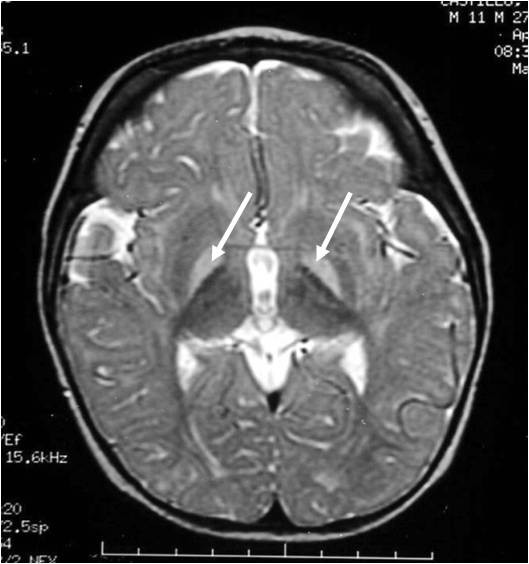
When bilirubin levels exceed the safe threshold, it begins to seep into the brain, especially into the gray matter of the central nervous system. Here, it becomes toxic. Bilirubin disrupts nerve cell function, causing damage that may be irreversible. This is bilirubin encephalopathy.
Who Is Most at Risk? Premature Babies and Those Not Detected Early
Our investigation found that not all babies have the same risk. Premature babies — those born before 37 weeks — are most vulnerable. Why? Because their livers are less mature, and the blood-brain barrier is still weak, allowing bilirubin to enter more easily. Other factors include:
- Babies who have a deficiency in G6PD (glucose-6-phosphate dehydrogenase), which is common in Asian populations.
- Babies who experience internal bleeding or bruising during birth, as more red blood cells are broken down.
- Babies who do not nurse well, causing dehydration and reduced bowel movements — which actually help eliminate bilirubin.
According to data from neonatal studies, bilirubin encephalopathy occurs in approximately 1 out of 10,000 to 1 out of 50,000 births in developed countries. However, in developing countries like Malaysia, the numbers may be higher due to lack of awareness and access to early treatment.
Warning Signs That Cannot Be Ignored
Common jaundice usually appears on the second or third day after birth and disappears within two weeks. However, bilirubin encephalopathy shows more serious signs. Parents and nurses need to be alert to the following symptoms:
- The baby becomes excessively sleepy and difficult to wake up.
- High-pitched crying — not a normal cry.
- Seizures or convulsions.
- Body arching backward (opisthotonos) — head and heels curve backward like a bow.
- Difficulty nursing or sucking.
- Fever.
If your baby shows any of these symptoms, take them to the hospital immediately. This is not the time to wait or try traditional remedies. Every moment counts.
How Do Doctors Diagnose and Save the Baby?
The diagnosis of bilirubin encephalopathy starts with a physical examination and blood tests to measure total bilirubin levels. Doctors may also use a non-invasive transcutaneous device to estimate bilirubin levels. If the levels are too high, immediate treatment is needed.
The main treatment is phototherapy — the baby is placed under special blue lights that help break down bilirubin in the skin so it can be eliminated through urine and stool. If phototherapy fails, an exchange transfusion may be performed — the baby's blood is removed gradually and replaced with healthy donor blood. This procedure rapidly reduces bilirubin levels.
In severe cases, treatment may not be able to reverse the brain damage that has already occurred. This damage can cause cerebral palsy, hearing problems, vision problems, and intellectual disabilities. That is why prevention and early detection are key.
Conclusion: Don't Let Jaundice Become a Tragedy
Bilirubin encephalopathy is a preventable threat. With proper awareness, close monitoring, and prompt treatment, almost all cases can be avoided. Parents need to know that jaundice is not just a 'common problem' — it can be a sign of death if left unchecked.
So, if you or a relative has a baby who looks yellow, don't hesitate to see a doctor. Better safe than sorry. Share this article with all new parents — because this knowledge can save lives.
---
Reference: Bilirubin encephalopathy — Wikipedia
Jaundice in Newborns: A Silent Killer or Common Condition? The Story of Bilirubin Encephalopathy That Many Don't Know. Bilirubin encephalopathy is a silent threat that can turn a normal baby into a permanently disabled or dead within days. This condition starts with neonatal jaundice, which seems common, but if not detected and treated, bilirubin can poison the brain. This article reveals the mechanism, early signs, and critical steps that can save lives. Prepare to be shocked by facts you may never have heard before.. Is Your Baby Yellow? Don't Dismiss It — This Could Be a Sign of Death
Newborn babies often appear yellow, and many parents consider it normal. But do you know that behind this yellow color lies a threat that can permanently damage the brain? Yes, this is not a regular horror story. This is the reality about bilirubin encephalopathy — a condition that occurs when bilirubin, a natural substance in the body, accumulates in the brain and becomes toxic.
The question is: why do some babies survive while others suffer severe brain damage? The answer lies in the level of bilirubin in the blood, the baby's age, and how quickly action is taken. Let's investigate.
What Is Bilirubin Encephalopathy? From Jaundice to Brain Toxin
Bilirubin encephalopathy is not a new disease. It is the progression of neonatal jaundice — a condition where the skin and eyes of the baby turn yellow due to high levels of bilirubin. Bilirubin is a natural byproduct of red blood cell breakdown. In normal conditions, the liver processes and eliminates bilirubin. However, in newborns, the liver is not yet mature. When fetal red blood cells are replaced with adult red blood cells, the baby's liver has to work harder. If it fails, bilirubin accumulates in the blood, a condition called hyperbilirubinemia.
When bilirubin levels exceed the safe threshold, it begins to seep into the brain, especially into the gray matter of the central nervous system. Here, it becomes toxic. Bilirubin disrupts nerve cell function, causing damage that may be irreversible. This is bilirubin encephalopathy.
Who Is Most at Risk? Premature Babies and Those Not Detected Early
Our investigation found that not all babies have the same risk. Premature babies — those born before 37 weeks — are most vulnerable. Why? Because their livers are less mature, and the blood-brain barrier is still weak, allowing bilirubin to enter more easily. Other factors include:
- Babies who have a deficiency in G6PD glucose-6-phosphate dehydrogenase , which is common in Asian populations.
- Babies who experience internal bleeding or bruising during birth, as more red blood cells are broken down.
- Babies who do not nurse well, causing dehydration and reduced bowel movements — which actually help eliminate bilirubin.
According to data from neonatal studies, bilirubin encephalopathy occurs in approximately 1 out of 10,000 to 1 out of 50,000 births in developed countries. However, in developing countries like Malaysia, the numbers may be higher due to lack of awareness and access to early treatment.
Warning Signs That Cannot Be Ignored
Common jaundice usually appears on the second or third day after birth and disappears within two weeks. However, bilirubin encephalopathy shows more serious signs. Parents and nurses need to be alert to the following symptoms:
- The baby becomes excessively sleepy and difficult to wake up.
- High-pitched crying — not a normal cry.
- Seizures or convulsions.
- Body arching backward opisthotonos — head and heels curve backward like a bow.
- Difficulty nursing or sucking.
- Fever.
If your baby shows any of these symptoms, take them to the hospital immediately. This is not the time to wait or try traditional remedies. Every moment counts.
How Do Doctors Diagnose and Save the Baby?
The diagnosis of bilirubin encephalopathy starts with a physical examination and blood tests to measure total bilirubin levels. Doctors may also use a non-invasive transcutaneous device to estimate bilirubin levels. If the levels are too high, immediate treatment is needed.
The main treatment is phototherapy — the baby is placed under special blue lights that help break down bilirubin in the skin so it can be eliminated through urine and stool. If phototherapy fails, an exchange transfusion may be performed — the baby's blood is removed gradually and replaced with healthy donor blood. This procedure rapidly reduces bilirubin levels.
In severe cases, treatment may not be able to reverse the brain damage that has already occurred. This damage can cause cerebral palsy, hearing problems, vision problems, and intellectual disabilities. That is why prevention and early detection are key.
Conclusion: Don't Let Jaundice Become a Tragedy
Bilirubin encephalopathy is a preventable threat. With proper awareness, close monitoring, and prompt treatment, almost all cases can be avoided. Parents need to know that jaundice is not just a 'common problem' — it can be a sign of death if left unchecked.
So, if you or a relative has a baby who looks yellow, don't hesitate to see a doctor. Better safe than sorry. Share this article with all new parents — because this knowledge can save lives.
---
Reference: Bilirubin encephalopathy — Wikipedia https://en.wikipedia.org/wiki/Bilirubin encephalopathy