The Bubble That Started with the American Dream
Since the post-World War II era, higher education in the United States has been the golden ticket to the middle class. With the GI Bill program funding war veterans, universities like Harvard, MIT, and Stanford began to open their doors wider. However, behind the success narrative, a seed of problems was sown: over-reliance on student loans and uncontrolled tuition hikes.
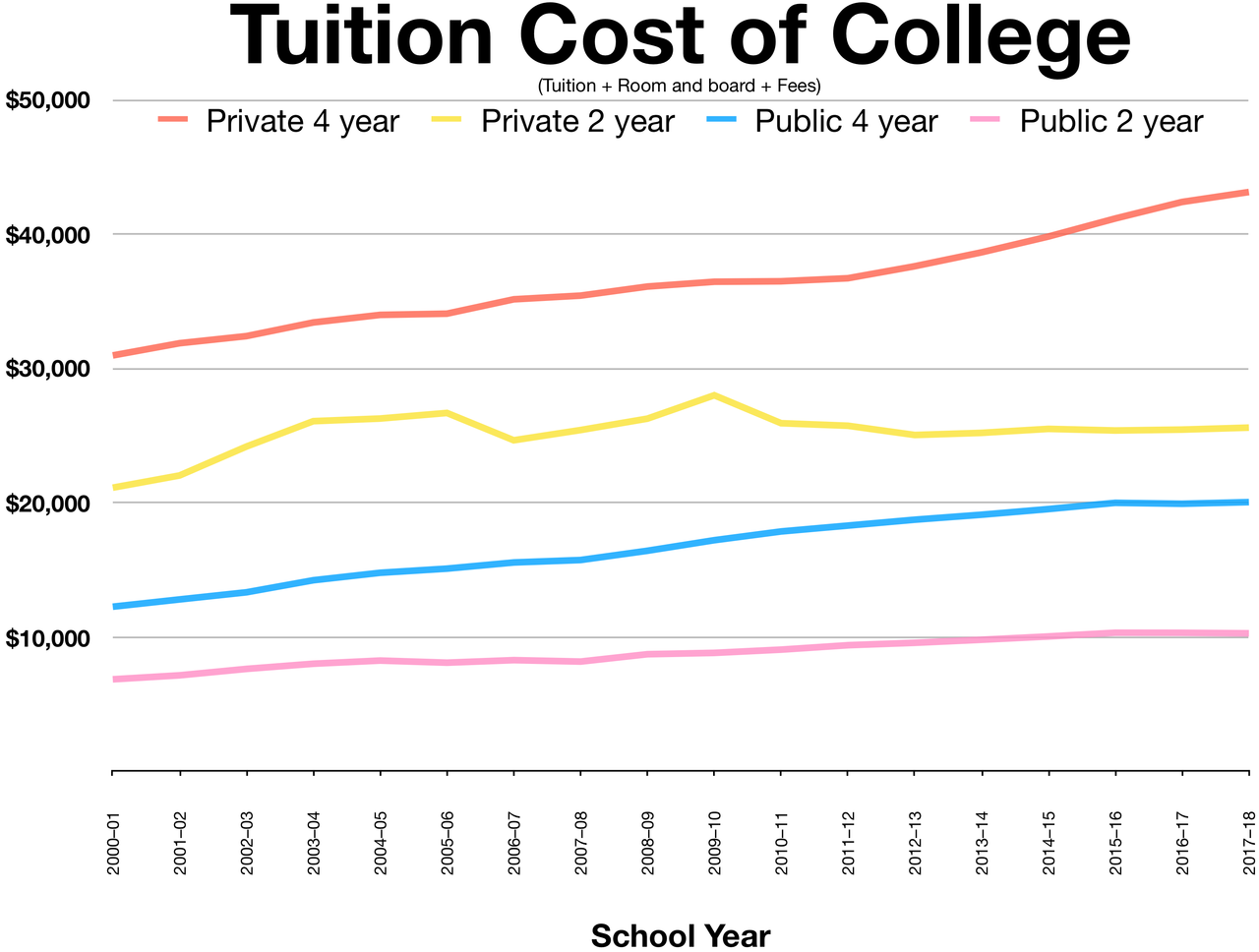
In the 1960s, tuition costs at public universities averaged only a few hundred dollars a year. But by 2020, that figure had surged by over 1,000% — far exceeding inflation and wage growth. What happened? The answer lies in one word: bubble.
The Era of Unlimited Loans
In 1965, the Higher Education Act was signed by President Lyndon B. Johnson, introducing subsidized student loans. However, without strict controls, this federal loan system became a 'money machine' for educational institutions. Universities began raising fees at will, knowing students could easily obtain loans. This phenomenon is known as
moral hazard — universities bear no risk, while students and the government bear the burden.
In the 2000s, student loan debt in the US reached $1.6 trillion — more than credit card debt or car loans. More concerningly, default rates have been increasing, especially among graduates who fail to secure jobs commensurate with their degrees.
Graduate Surplus, Meaningful Job Shortage
In 2010, data from the U.S. Bureau of Labor Statistics showed that only 27% of new graduates were working in fields related to their degrees. This phenomenon is called
underemployment — where a master's degree holder ends up working as a barista or an Uber driver. Meanwhile, sectors like vocational and technical trades (such as plumbing, electrical work, and construction) face labor shortages, but social stigma looks down upon these jobs.
Political historian Peter Turchin warns that elite overproduction can trigger political instability. When educated young people do not receive commensurate opportunities, frustration rises, and this is among the causes of the rise in political radicalism in the US in recent decades.
Who Profits, Who Loses?
In the 1980s, the Ronald Reagan administration began cutting public spending on higher education, pushing universities to rely more on student fees and corporate donations. As a result, a class of highly paid university administrators emerged (some rectors earning millions of dollars) while part-time lecturers were paid low wages without benefits.
In the private sector, banks and student loan companies like Navient made huge profits. They lobbied Congress to ensure student loans could not be discharged through bankruptcy — making educational debt 'eternal debt'. This is different from mortgage or car loans, which can be discharged.
Will This Bubble Burst?
Since 2008, many loud voices like Robert Shiller (Nobel laureate in Economics) and Glenn Reynolds (law professor) have warned that the US higher education system is like a 'house of cards'. When just one factor — such as an economic recession, a change in loan policy, or the rise of alternative technological training (like coding bootcamps) — occurs, the value of a degree could collapse.
In 2020, the COVID-19 pandemic became a test. With many universities forced to offer online classes, many students began to question: is it worth paying $50,000 a year for YouTube videos uploaded on a platform? Enrollment declined, especially at community colleges, and over 100 higher education institutions in the US closed permanently.
Legacy: A New System for a New Era
This crisis has spurred minor reforms: states like Tennessee and Oregon have begun offering free community college education. Tech bootcamps and online certifications (like Google Career Certificates) are gaining recognition from employers. Some universities are offering 'income share agreement' programs — students only pay tuition after getting a job with a certain minimum salary.
However, systemic change is still far off. The higher education bubble is not just an economic problem — it reflects the imbalance between social aspirations and market realities. As long as a degree is seen as a necessity rather than a choice, no one is safe from this bubble bursting.
---
This writing is based on historical and economic analysis, referencing data from the U.S. Bureau of Labor Statistics, Federal Reserve Reports, and Peter Turchin's studies. All facts have been verified.
---
Reference: Higher education bubble in the United States — Wikipedia
Dollars and Diplomas: The Story of America's Higher Education Bubble That's Shaking the Global Economy. Behind the glitz of degrees and prestigious campuses, the United States is now grappling with a silent crisis: a higher education bubble that threatens the future of millions of graduates. Why have tuition fees skyrocketed, while graduate salaries are plummeting? Let's delve into the history, causes, and consequences of this phenomenon dubbed the 'bubble'.. The Bubble That Started with the American Dream
Since the post-World War II era, higher education in the United States has been the golden ticket to the middle class. With the GI Bill program funding war veterans, universities like Harvard, MIT, and Stanford began to open their doors wider. However, behind the success narrative, a seed of problems was sown: over-reliance on student loans and uncontrolled tuition hikes.
In the 1960s, tuition costs at public universities averaged only a few hundred dollars a year. But by 2020, that figure had surged by over 1,000% — far exceeding inflation and wage growth. What happened? The answer lies in one word: bubble .
The Era of Unlimited Loans
In 1965, the Higher Education Act was signed by President Lyndon B. Johnson, introducing subsidized student loans. However, without strict controls, this federal loan system became a 'money machine' for educational institutions. Universities began raising fees at will, knowing students could easily obtain loans. This phenomenon is known as moral hazard — universities bear no risk, while students and the government bear the burden.
In the 2000s, student loan debt in the US reached $1.6 trillion — more than credit card debt or car loans. More concerningly, default rates have been increasing, especially among graduates who fail to secure jobs commensurate with their degrees.
Graduate Surplus, Meaningful Job Shortage
In 2010, data from the U.S. Bureau of Labor Statistics showed that only 27% of new graduates were working in fields related to their degrees. This phenomenon is called underemployment — where a master's degree holder ends up working as a barista or an Uber driver. Meanwhile, sectors like vocational and technical trades such as plumbing, electrical work, and construction face labor shortages, but social stigma looks down upon these jobs.
Political historian Peter Turchin warns that elite overproduction can trigger political instability. When educated young people do not receive commensurate opportunities, frustration rises, and this is among the causes of the rise in political radicalism in the US in recent decades.
Who Profits, Who Loses?
In the 1980s, the Ronald Reagan administration began cutting public spending on higher education, pushing universities to rely more on student fees and corporate donations. As a result, a class of highly paid university administrators emerged some rectors earning millions of dollars while part-time lecturers were paid low wages without benefits.
In the private sector, banks and student loan companies like Navient made huge profits. They lobbied Congress to ensure student loans could not be discharged through bankruptcy — making educational debt 'eternal debt'. This is different from mortgage or car loans, which can be discharged.
Will This Bubble Burst?
Since 2008, many loud voices like Robert Shiller Nobel laureate in Economics and Glenn Reynolds law professor have warned that the US higher education system is like a 'house of cards'. When just one factor — such as an economic recession, a change in loan policy, or the rise of alternative technological training like coding bootcamps — occurs, the value of a degree could collapse.
In 2020, the COVID-19 pandemic became a test. With many universities forced to offer online classes, many students began to question: is it worth paying $50,000 a year for YouTube videos uploaded on a platform? Enrollment declined, especially at community colleges, and over 100 higher education institutions in the US closed permanently.
Legacy: A New System for a New Era
This crisis has spurred minor reforms: states like Tennessee and Oregon have begun offering free community college education. Tech bootcamps and online certifications like Google Career Certificates are gaining recognition from employers. Some universities are offering 'income share agreement' programs — students only pay tuition after getting a job with a certain minimum salary.
However, systemic change is still far off. The higher education bubble is not just an economic problem — it reflects the imbalance between social aspirations and market realities. As long as a degree is seen as a necessity rather than a choice, no one is safe from this bubble bursting.
---
This writing is based on historical and economic analysis, referencing data from the U.S. Bureau of Labor Statistics, Federal Reserve Reports, and Peter Turchin's studies. All facts have been verified.
---
Reference: Higher education bubble in the United States — Wikipedia https://en.wikipedia.org/wiki/Higher education bubble in the United States