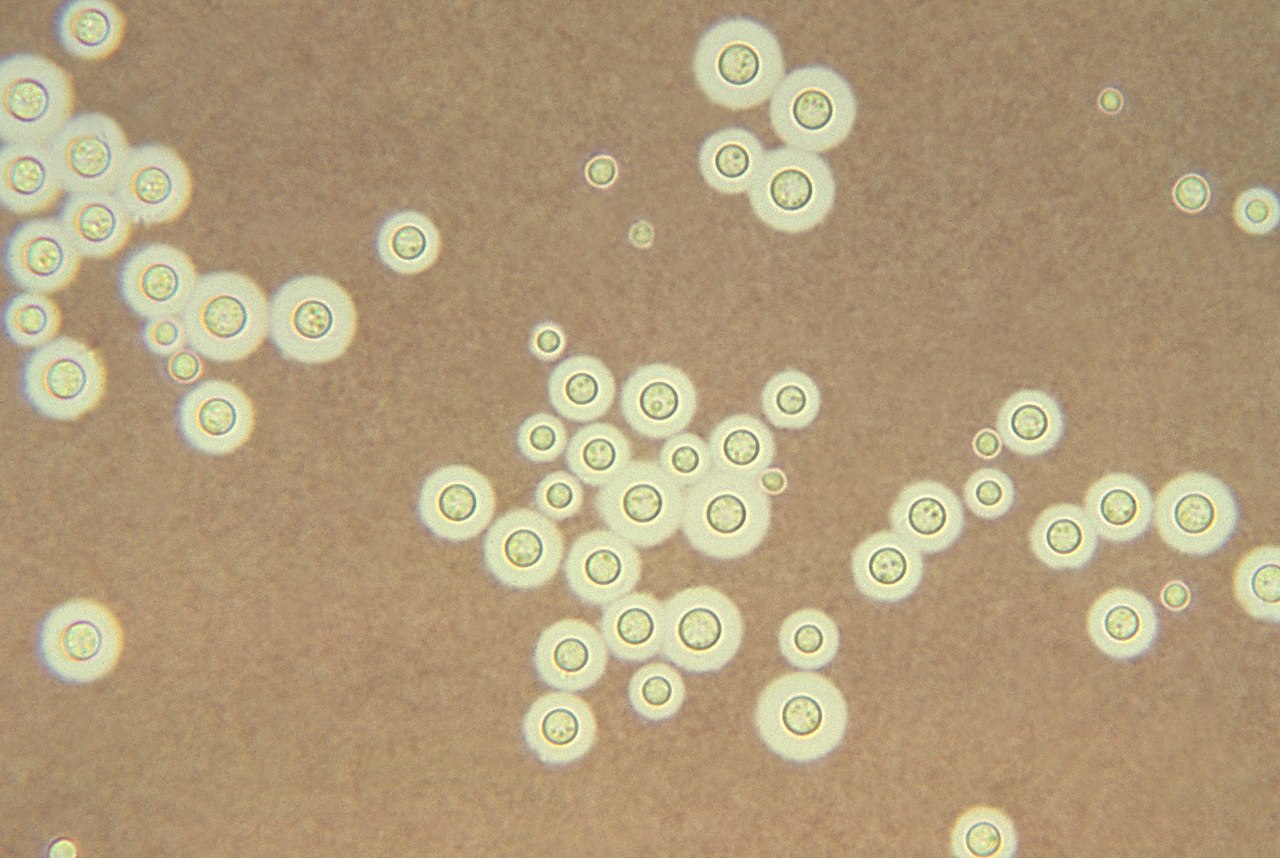
Black Fungi That Aren't Afraid of Radiation — In Fact, Love It
If you've ever heard about 'radiotrophic fungi,' you might imagine something from the world of
Stranger Things or
The Last of Us. But they are real — and even more surprising: they are not just surviving in the middle of nuclear destruction, but
growing faster there. Yes, really. Inside the number 4 reactor at Chernobyl — a place still 10 times more radioactive than a safe zone — scientists discovered colonies of
Cladosporium sphaerospermum,
Cryptococcus neoformans, and several other species that aren't just living... but
actively reproducing in the gamma and X-ray exposure.
Unlike Deinococcus radiodurans, bacteria that 'only' resist radiation (by rapidly repairing DNA), these fungi do something far more extreme: they use radiation as an energy source. Not just to survive — but to eat. This is called radiosynthesis.
What Is Radiosynthesis? (And Why Isn't It 'Nuclear Photosynthesis')
Photosynthesis? We know: plants take sunlight → convert it into glucose → produce oxygen. Chemosynthesis? Deep-sea bacteria take chemicals like hydrogen sulfide → produce energy without light. But radiosynthesis? It's not a replica of either — it's a
new energy flow that we're still trying to understand.
One thing is certain: it doesn't involve chlorophyll. No chloroplasts. No water splitting. What is there? Melanin. Yes, the same pigment that makes our skin dark when exposed to the sun — and also what makes our hair black or brown — apparently has extraordinary abilities: absorbing and converting ionizing radiation (like gamma rays) into high-energy electrons, then feeding them into the ATP (cellular energy currency) production chain.
Experiments by NASA in 2018 proved this: when placed in a tube with a cesium-137 source (radioactive material from Chernobyl), radiotrophic fungi grew 2–3 times faster than in normal darkness. As if the radiation was energizing them, not killing them.
Melanin: Not Just Skin Protection, But a 'Biological Solar Panel'
We always think of melanin as a protector. True — it absorbs UV and protects DNA. But in radiotrophic fungi, melanin works like a
biological semiconductor: its complex structure (long-chain indole polymers) allows a stable electron flow even in high-radiation environments. It's not just about
absorbing and storing — it
transfers energy to the fungal metabolism, almost like an organic battery powered by X-rays.
Interestingly, fungi without melanin — or those with blocked melanin — do not show additional growth under radiation. So it's not about general resistance. It's about a specific mechanism: melanin as a biological enzyme that functions in total darkness and maximum radiation presence.
Chernobyl Isn't the Only Place — They're Also on Airplanes and in Space Stations
Many assume Chernobyl is an 'exclusive place' for these fungi. It turns out it's not. Radiotrophic fungi have been found at 40,000 feet in the upper atmosphere — where cosmic radiation is 100 times higher than on Earth's surface. They have also been found inside the ISS (International Space Station), attached to outer station panels — and growing
better there than on Earth.
NASA is even studying the possibility of using these fungi as a 'biological shield' for astronauts on Mars missions — not as concrete walls, but as living skin that absorbs cosmic radiation and produces oxygen or side nutrients. Imagine: habitat walls on the Moon that function — not static, but alive, breathing, and 'eating' radiation.
Not a Superhero, But a Bigger Clue to Evolution
Radiotrophic fungi are not super creatures that emerged after a nuclear disaster. Instead, they may have existed for 2 billion years — when Earth was full of natural radiation from uranium-rich rocks and harsh space weather. Perhaps melanin evolved
not just for UV protection, but as an early adaptation system to all forms of high-energy electromagnetic radiation.
This changes how we see life: not all creatures need sunlight or organic chemicals. There are alternative life paths — quiet, dark, glowing from within — that may be the main clues to life on Europa (Jupiter's moon), or beneath the surface of Mars, or even on dark planets beyond our solar system.
So, next time you see a black fungus on the wall of a bathroom, don't rush to spray a fungicide. It could be a primitive biotechnologist waiting for humans to finally understand its language of energy.
---
Reference: Radiotrophic fungus — Wikipedia
This Mushroom Eats X-Rays to Survive — Not Fiction, But Real in Chernobyl. Imagine: a creature that not only survives nuclear radiation — but *uses it* for breakfast. It's not from a sci-fi movie, but a common black fungus found blooming on the walls of the damaged Chernobyl reactor. How did it become a 'bio-energy machine' that turns deadly rays into fuel? And why is melanin — the same pigment in our skin — the key?. Black Fungi That Aren't Afraid of Radiation — In Fact, Love It
If you've ever heard about 'radiotrophic fungi,' you might imagine something from the world of Stranger Things or The Last of Us . But they are real — and even more surprising: they are not just surviving in the middle of nuclear destruction, but growing faster there. Yes, really. Inside the number 4 reactor at Chernobyl — a place still 10 times more radioactive than a safe zone — scientists discovered colonies of Cladosporium sphaerospermum , Cryptococcus neoformans , and several other species that aren't just living... but actively reproducing in the gamma and X-ray exposure.
Unlike Deinococcus radiodurans , bacteria that 'only' resist radiation by rapidly repairing DNA , these fungi do something far more extreme: they use radiation as an energy source. Not just to survive — but to eat . This is called radiosynthesis .
What Is Radiosynthesis? And Why Isn't It 'Nuclear Photosynthesis'
Photosynthesis? We know: plants take sunlight → convert it into glucose → produce oxygen. Chemosynthesis? Deep-sea bacteria take chemicals like hydrogen sulfide → produce energy without light. But radiosynthesis? It's not a replica of either — it's a new energy flow that we're still trying to understand.
One thing is certain: it doesn't involve chlorophyll. No chloroplasts. No water splitting. What is there? Melanin . Yes, the same pigment that makes our skin dark when exposed to the sun — and also what makes our hair black or brown — apparently has extraordinary abilities: absorbing and converting ionizing radiation like gamma rays into high-energy electrons, then feeding them into the ATP cellular energy currency production chain.
Experiments by NASA in 2018 proved this: when placed in a tube with a cesium-137 source radioactive material from Chernobyl , radiotrophic fungi grew 2–3 times faster than in normal darkness. As if the radiation was energizing them, not killing them.
Melanin: Not Just Skin Protection, But a 'Biological Solar Panel'
We always think of melanin as a protector. True — it absorbs UV and protects DNA. But in radiotrophic fungi, melanin works like a biological semiconductor : its complex structure long-chain indole polymers allows a stable electron flow even in high-radiation environments. It's not just about absorbing and storing — it transfers energy to the fungal metabolism, almost like an organic battery powered by X-rays.
Interestingly, fungi without melanin — or those with blocked melanin — do not show additional growth under radiation. So it's not about general resistance. It's about a specific mechanism : melanin as a biological enzyme that functions in total darkness and maximum radiation presence.
Chernobyl Isn't the Only Place — They're Also on Airplanes and in Space Stations
Many assume Chernobyl is an 'exclusive place' for these fungi. It turns out it's not. Radiotrophic fungi have been found at 40,000 feet in the upper atmosphere — where cosmic radiation is 100 times higher than on Earth's surface. They have also been found inside the ISS International Space Station , attached to outer station panels — and growing better there than on Earth.
NASA is even studying the possibility of using these fungi as a 'biological shield' for astronauts on Mars missions — not as concrete walls, but as living skin that absorbs cosmic radiation and produces oxygen or side nutrients. Imagine: habitat walls on the Moon that function — not static, but alive, breathing, and 'eating' radiation.
Not a Superhero, But a Bigger Clue to Evolution
Radiotrophic fungi are not super creatures that emerged after a nuclear disaster. Instead, they may have existed for 2 billion years — when Earth was full of natural radiation from uranium-rich rocks and harsh space weather. Perhaps melanin evolved not just for UV protection , but as an early adaptation system to all forms of high-energy electromagnetic radiation.
This changes how we see life: not all creatures need sunlight or organic chemicals. There are alternative life paths — quiet, dark, glowing from within — that may be the main clues to life on Europa Jupiter's moon , or beneath the surface of Mars, or even on dark planets beyond our solar system.
So, next time you see a black fungus on the wall of a bathroom, don't rush to spray a fungicide. It could be a primitive biotechnologist waiting for humans to finally understand its language of energy.
---
Reference: Radiotrophic fungus — Wikipedia https://en.wikipedia.org/wiki/Radiotrophic fungus